Industrial Drone Inspection Services
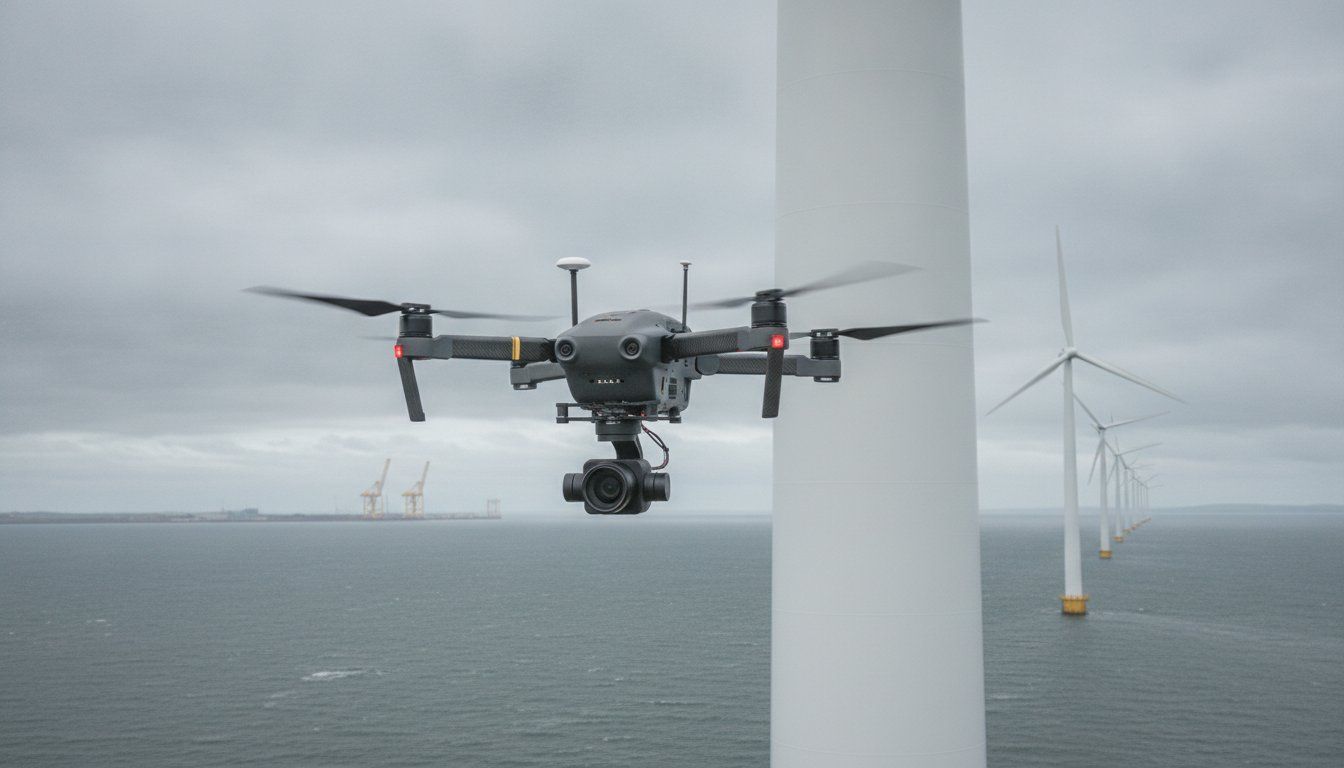
Industrial drone inspections can provide an early view of hard-to-reach assets. A survey may help you locate visible damage, plan access and decide where closer inspection is needed.
The right method depends on the asset, site conditions and information required. This guide explains when drones can help, their limits and how survey findings can support a repair plan.
Key Takeaways
- Drones can reduce the need for initial access at height.
- Visual and thermal surveys answer different inspection questions.
- Weather, access restrictions and sensor quality affect the results.
- Aerial images do not replace every physical inspection or NDT method.
- A useful report links findings to locations and recommended follow-up.
Overcoming Industrial Access Challenges with Drone Technology
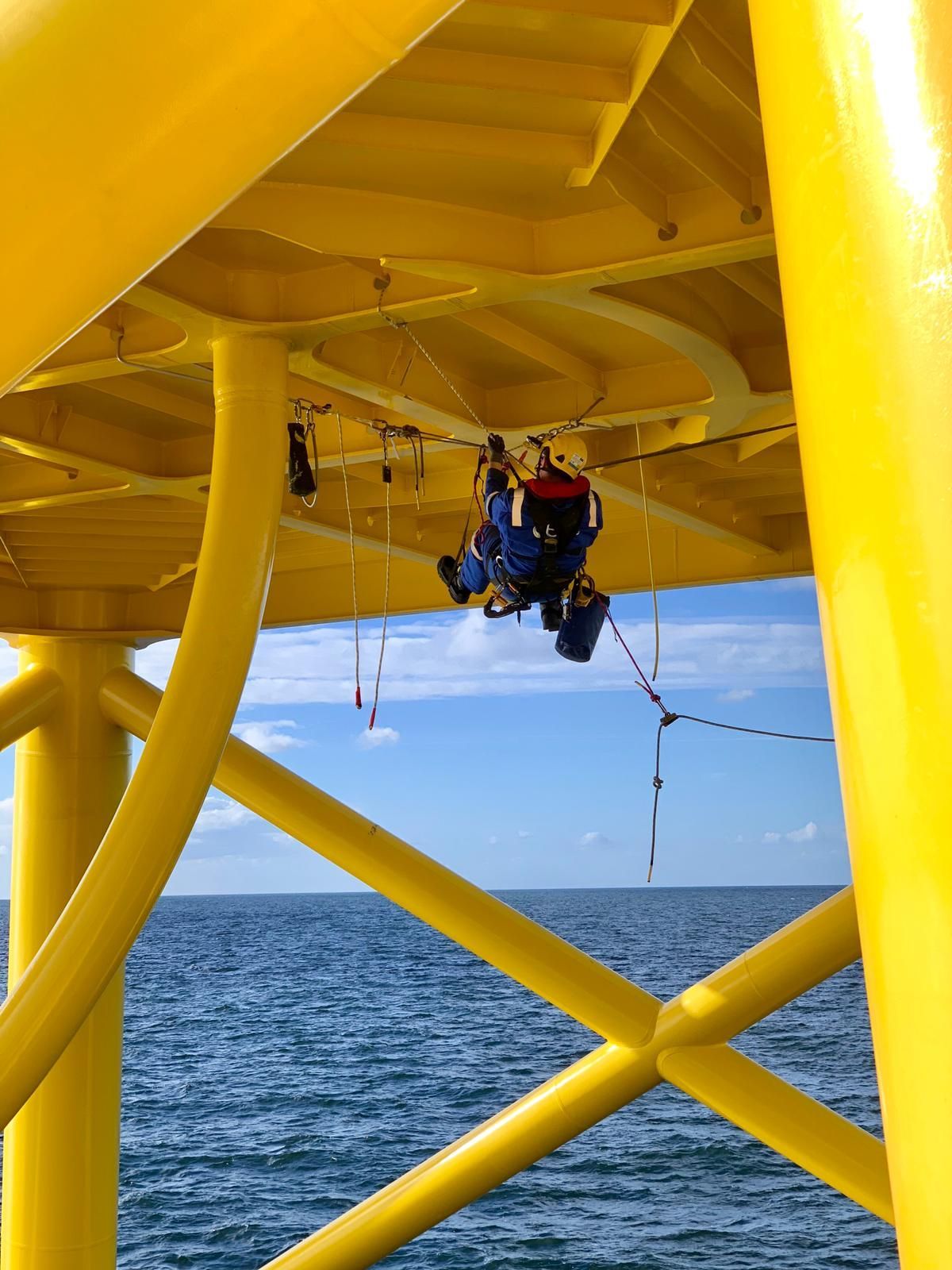
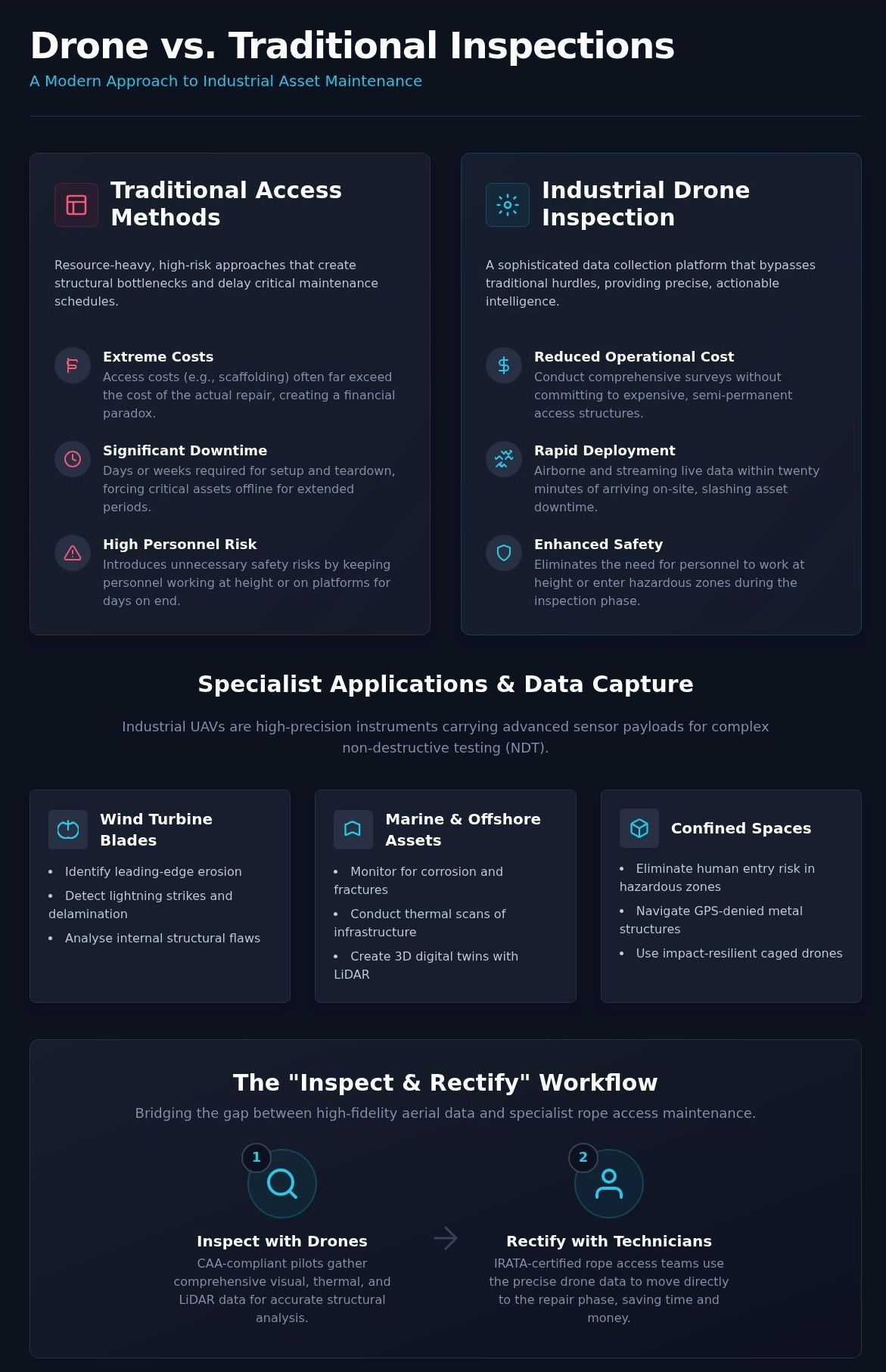
Scaffolding, platforms and rope access each have a role in industrial maintenance. For an initial visual survey, a drone may collect useful images before you commit to a larger access programme.
These findings can help teams using IRATA Rope Access plan a closer inspection or repair. They do not remove the need for safe access planning when technicians must reach the asset.
Choose the sensor for the question you need to answer. A visual camera records surface condition. Thermal imaging shows temperature patterns. LiDAR and photogrammetry may support mapping when suitable equipment and survey methods are used.
Camera resolution alone does not guarantee a minimum detectable defect size. Distance, lighting, viewing angle and data processing all affect the detail captured.
The Cost of Inaction: Delayed Inspections and Asset Failure
Repeat surveys can help track visible changes such as corrosion or blade erosion. A clear inspection history supports maintenance planning and helps you prioritise areas needing closer investigation.
Agree the survey scope and reporting format in advance. A useful comparison needs consistent locations, image quality and inspection conditions.
Beyond Visual Line of Sight (BVLOS) and Modern Capabilities
BVLOS means flying beyond the pilot's visual line of sight. It is not a routine entitlement for an industrial inspection. Any such operation needs the appropriate regulatory basis and site-specific planning.
Different drone inspection applications use different equipment and methods. Confirm the capabilities needed for your project rather than assuming every drone can provide thermal, LiDAR or contact inspection data.
Discuss the survey alongside our specialist services when physical inspection or maintenance may also be required.
Specialist Applications: Wind Turbines, Marine Assets, and Confined Spaces
Industrial sites can involve wind, salt, restricted airspace, moving plant and limited access. A survey must be planned around those conditions and the asset owner's rules.
Wind Turbine Blade Inspection: A GWO-Aligned Approach
Visual surveys can record surface erosion and visible signs of impact or lightning damage. Internal damage may need specialist tests; a camera survey cannot establish the condition of every hidden component.
Findings can inform wind turbine blade repair services and help technicians plan the next stage. GWO training supports relevant wind-industry safety roles; it does not itself authorise drone operations.
Confined Space UAVs: Eliminating the Entry Risk
A suitable specialist drone may reduce the need for initial human entry into some tanks or structures. Feasibility depends on dimensions, visibility, atmosphere, equipment suitability and the survey objective.
Drone use does not remove the need for confined-space risk assessment or rescue planning when people enter. Our confined space awareness training covers awareness of these hazards and responsibilities.
Marine and offshore work also needs careful planning for weather, launch locations and nearby activity. Review UK drone regulations as part of the wider flight plan.
Explore our drone inspection services to discuss the information needed for your asset.
Drone vs Traditional Access: A Strategic Cost-Benefit Analysis
Compare methods against the task rather than assuming one is always best. Drones can support a first visual survey. Rope access, platforms or scaffolding may be needed for close examination, testing, sampling or repairs.
When to Choose Drones over Rope Access
A drone may suit an initial condition survey, repeat monitoring or a post-storm visual check. It is less suitable when the task requires physical contact or a view that the aircraft cannot safely capture.
Survey images can help IRATA-certified technicians prepare for the work. Confirm the defect location and follow-up scope before selecting tools, materials and access arrangements.
Calculating ROI: Scaffolding vs Drone Surveys
Compare the full cost of each option, including planning, mobilisation, downtime, data review and any follow-up inspection. Potential savings depend on the site and the quality of information collected.
- What access is needed to obtain useful evidence?
- Must the asset stop operating?
- Will the findings support a maintenance decision?
- What further checks will still be required?
Compliance and Data: Navigating UK Drone Regulations and Reporting
UK drone operations fall into Open, Specific or Certified categories. The category depends on the operation and its risk, rather than whether the flight is commercial.
Navigating the CAA Regulatory Landscape
Check whether the proposed flight meets an Open category's limits. Operations in the Specific category require CAA operational authorisation. The operator must also comply with airspace restrictions and the conditions relevant to the flight.
Before commissioning a survey, check the operator's registration, pilot competence, applicable permissions and insurance. Agree site coordination, exclusion arrangements and data handling.
From Raw Data to Maintenance Strategy
Ask for a report that identifies the asset, survey date, locations, findings and limitations. Images should support the observations and make repeat checks easier.
Thermal anomalies and visible defects may need confirmation through other methods. A survey report should explain what was observed and what remains uncertain.
Our safety consultancy services can support wider planning. Discuss industrial drone inspection services to agree the survey scope and any follow-up work.
The Dangle Advantage: Integrating Drone Intelligence with Specialist Repair
Dangle combines inspection planning with practical access and maintenance services. Survey findings can help us plan targeted follow-up rather than treating data collection as the final step.
Local Expertise, International Standards
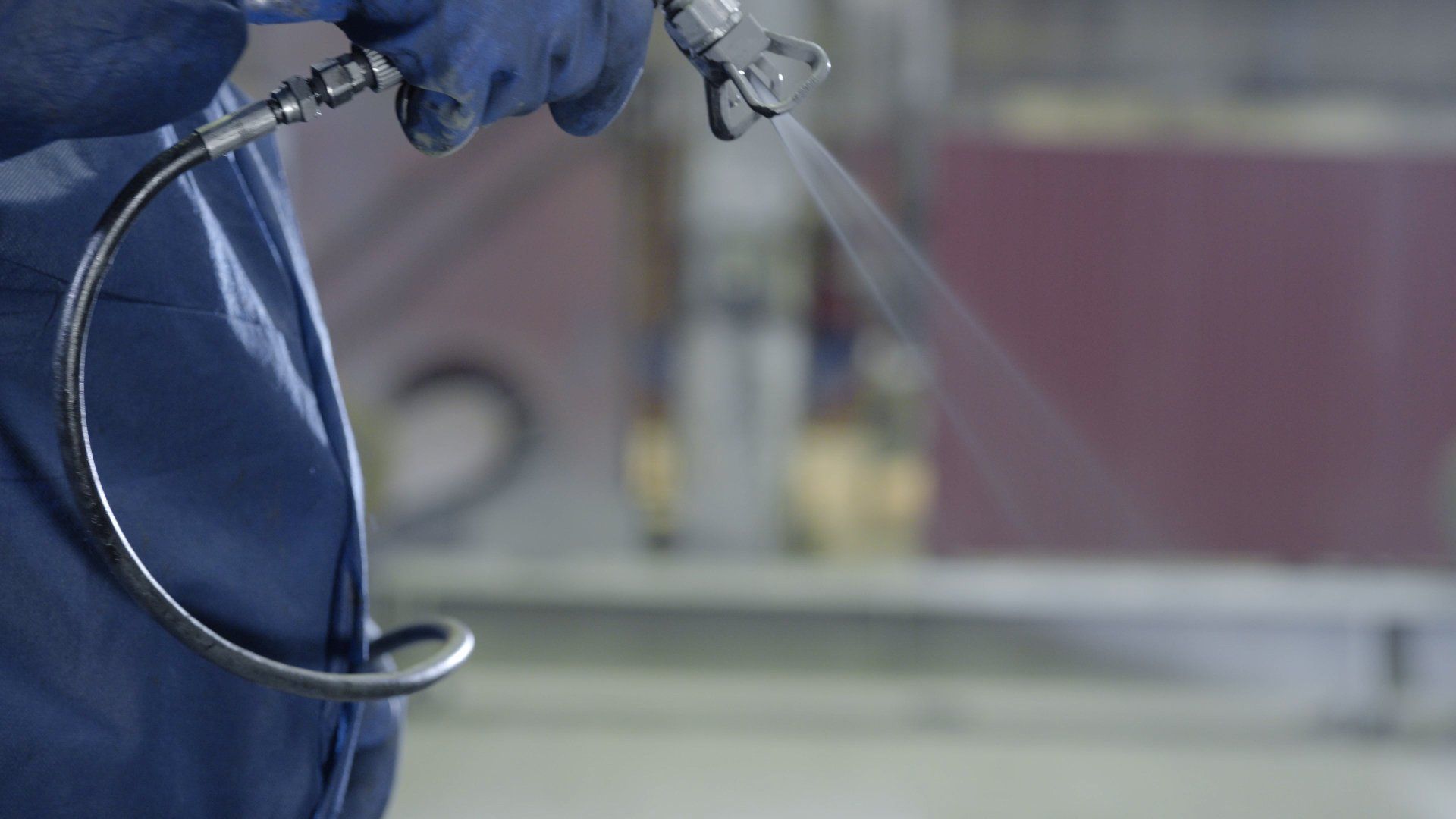
Our Belfast team supports industrial work across Northern Ireland and beyond. Where the project requires it, inspection findings can inform the application of protective coatings and other maintenance tasks.
Each stage needs its own method, competent personnel and safe system of work. We confirm those requirements against the site and agreed scope.
Preparing Your Workforce for the Future of Inspection
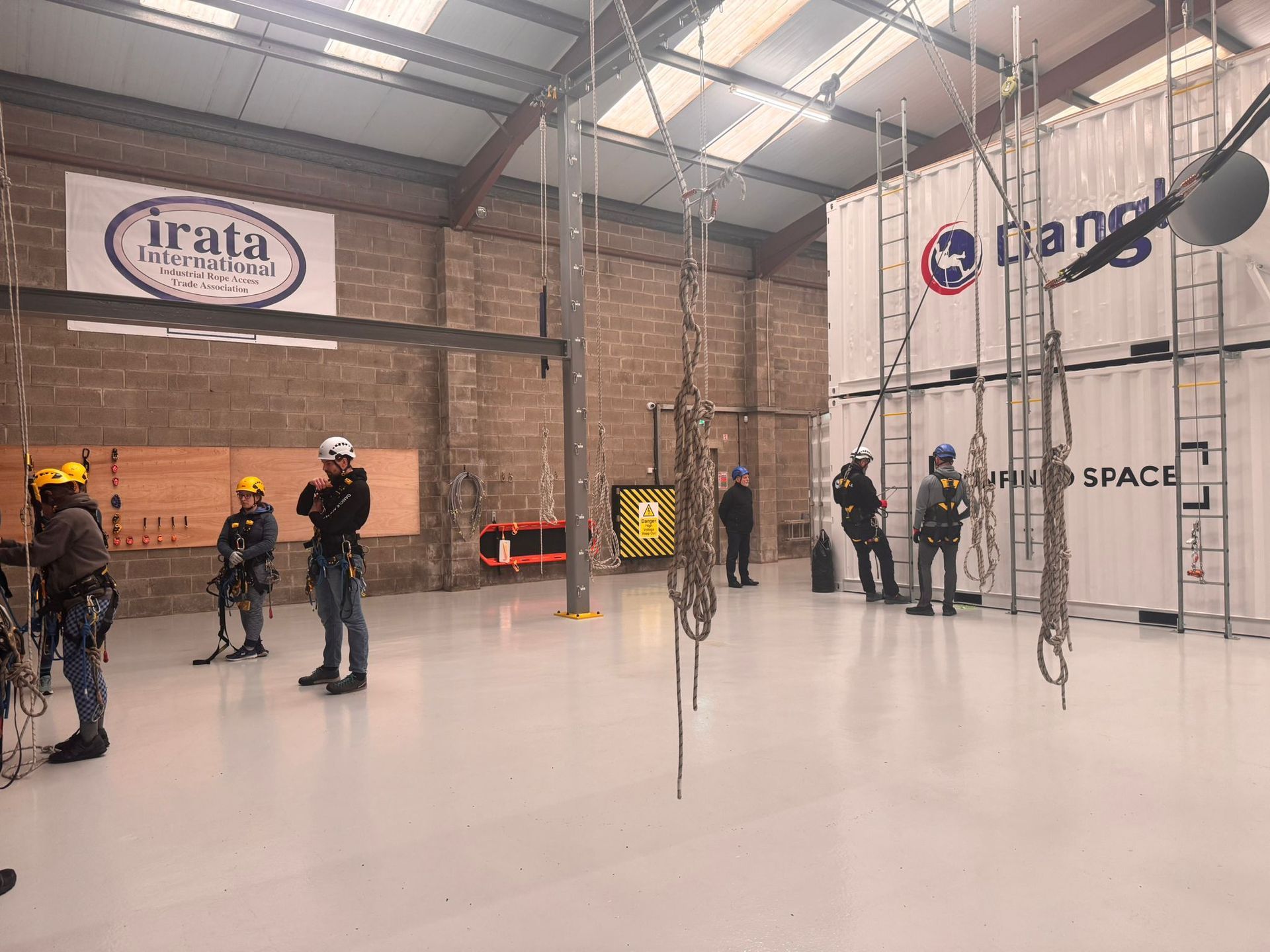
Dangle Academy provides practical industrial training. Choose qualifications that fit the work your team will perform.
For wind-industry roles, this may include GWO Basic Safety Training. Drone operations have separate competence and regulatory requirements.
Future-Proofing Your Infrastructure Maintenance
Start with a clear inspection question. Agree what evidence is needed, how it will be collected and which decisions the report should support.
Book a Specialist Drone Inspection Consultation with Dangle to discuss your asset, site constraints and the next step from inspection to maintenance.
What are the main benefits of using drones for industrial inspections?
Drones can collect visual evidence from hard-to-reach areas and may reduce the need for initial access at height. They can help locate visible defects and plan follow-up work. The time, cost and safety benefits depend on the site and survey scope.The primary benefits include enhanced personnel safety, significant cost reductions, and the ability to collect high-fidelity data without erecting scaffolding. Drones allow for rapid deployment, often becoming operational within minutes rather than days. This speed enables more frequent preventative maintenance cycles, helping asset managers identify minor structural defects before they escalate into expensive, multi-million pound failures.
Can drones replace rope access technicians entirely?
No. Drones can support visual surveys, but physical inspection, sampling, testing and repairs may still require technicians. Choose the access method that fits the task and site conditions.No, drones are diagnostic tools designed to complement rather than replace human expertise. Whilst a drone is excellent for identifying corrosion or fractures, it cannot perform physical repairs or hands-on non-destructive testing (NDT). The most efficient maintenance strategy uses a hybrid model where drones find the fault and IRATA-certified technicians are deployed to fix it, ensuring high-risk man-hours are used effectively.
Is a drone inspection safe for confined space entry?
A suitable specialist drone may reduce the need for initial human entry into some structures. It does not make later entry safe by itself. The atmosphere, equipment suitability and site risks still need assessment, and human entry needs a safe system of work and rescue arrangements.Yes, specialised internal drones are designed specifically to eliminate the risks associated with human entry into tanks, silos, and pressure vessels. These UAVs feature protective cages and collision-tolerance sensors that allow them to navigate GPS-denied environments. By using robotics for the initial survey, safety teams avoid exposing personnel to oxygen-depleted or hazardous atmospheres until a physical repair is confirmed as necessary.
What kind of data resolution can I expect from an industrial drone survey?
Resolution depends on the sensor, distance, lighting, viewing angle and processing method. Agree the required image detail or measurement accuracy before commissioning the survey. A 4K camera alone does not guarantee sub-millimetre defect detection.You can expect sub-millimetre visual resolution for crack detection and centimetre-accurate 3D mapping when using LiDAR sensors. Professional industrial drone inspection services utilise 4K visual cameras, radiometric thermal sensors for identifying hotspots, and LiDAR for creating precise digital twins. This level of detail allows engineering teams to perform accurate measurements and structural analysis from a remote workstation.
Do I need to shut down my asset during a drone inspection?
It depends on the asset and survey method. Some work requires isolation or shutdown, while other surveys can take place during operation. Agree this with the asset owner and inspection team during planning.In many scenarios, assets can remain operational, though some specific infrastructure requires a temporary pause for safety. For example, wind turbine blades must be stopped and feathered to allow for a comprehensive 360-degree survey. However, many thermal and structural inspections on power lines, chimneys, or marine hulls can be conducted whilst the asset is live, significantly reducing the commercial impact of downtime.
What are the UK regulations for flying drones near industrial infrastructure?
UK drone operations fall into Open, Specific or Certified categories according to their risk and operating conditions. Specific category operations require CAA operational authorisation. Check the operator’s registration, pilot competence, airspace restrictions and applicable permissions for the proposed flight.Commercial operations must strictly adhere to the UK Civil Aviation Authority (CAA) framework, specifically the CAP 722 guidance. Most industrial missions require an Operational Authorisation in the "Specific" category. Since April 2025, pilots must also complete a Specific Operations Risk Assessment (SORA) for flights in complex environments, ensuring that all risks to the public and infrastructure are meticulously managed.
How much does an industrial drone inspection service cost in the UK?
The price depends on the asset, site access, required sensors, flight planning and report scope. Contact our team with the inspection objective and site details for a project-specific quotation.The cost of industrial drone inspection services depends on the complexity of the asset, the sensor payloads required, and the depth of the final technical report. Factors such as the requirement for specialised LiDAR mapping or thermal imaging will influence the project fee. Because every industrial site has unique risk profiles and reporting requirements, we recommend booking a technical consultation to receive an accurate, site-specific estimate.
How long does it take to receive the final inspection report?
Agree the delivery schedule before the survey. Processing time depends on the amount of data, analysis required and reporting format. Ask when initial findings and the final report will be available.Standard visual inspection reports are typically delivered within 48 to 72 hours after the flight is completed. More complex deliverables, such as 3D digital twins or comprehensive thermal analysis, may require additional processing time. Our workflow ensures that raw data is quickly transformed into actionable defect logs and maintenance recommendations, allowing your repair teams to mobilise without unnecessary delay.
Frequently Asked Questions
Contact Us
We'd Love a Share...
Recent Blog Posts