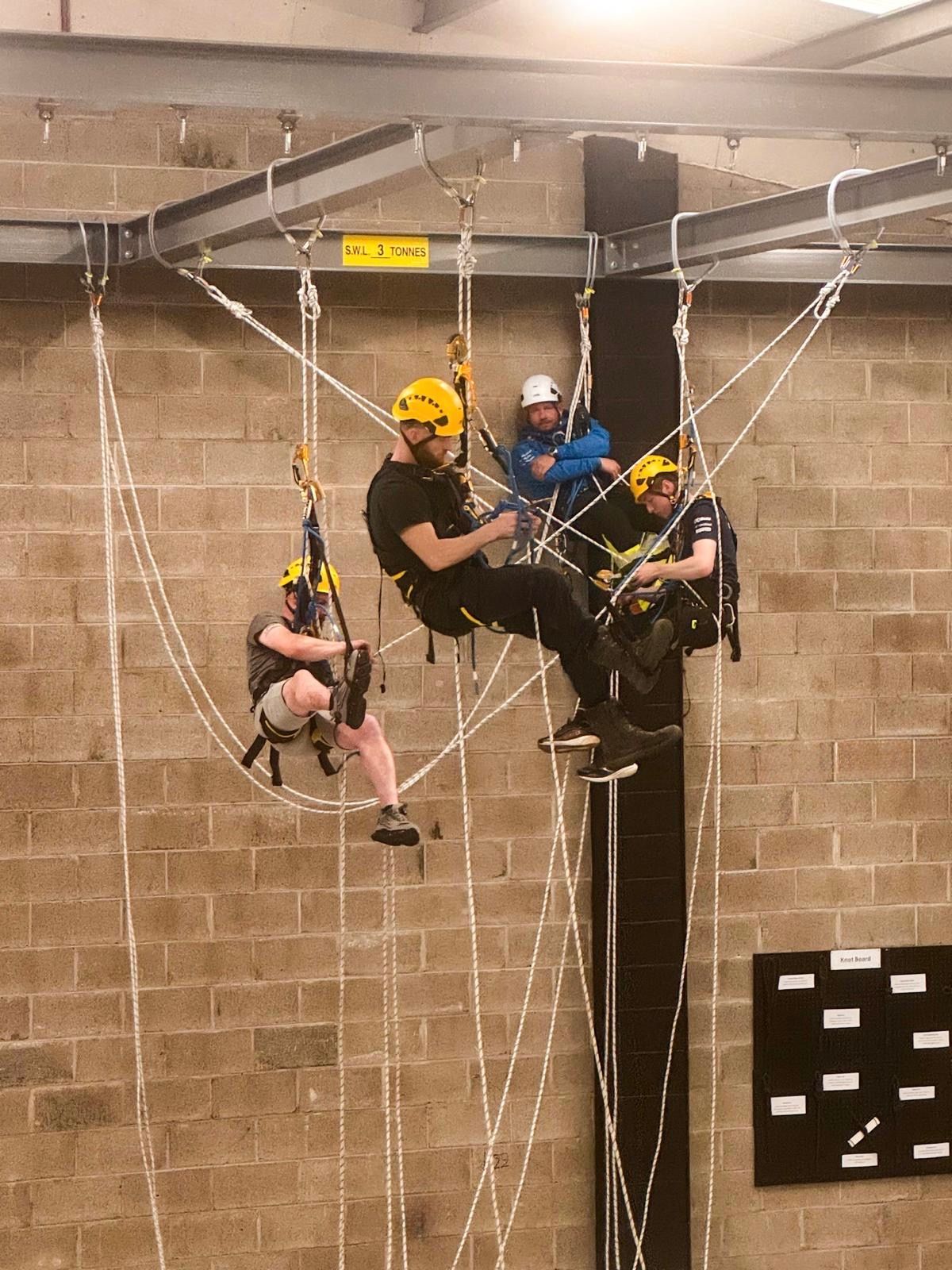
Master IRATA Rope Access Level 3: Unlock Supervisor Status

As an IRATA-accredited member, Dangle Academy recognises IRATA Rope Access Level 3 as the advanced technician qualification in the industrial rope-access world.


This guide, written from our instructor’s viewpoint, explains the IRATA Level 3 course content, training syllabus, certification requirements, core rope-access techniques, safety guidelines, typical hazards, and rescue procedures you need to know. It is purely informational.


Click the button below to view our available dates for training.

IRATA Level 3 course dates

What is IRATA Rope Access Level 3?

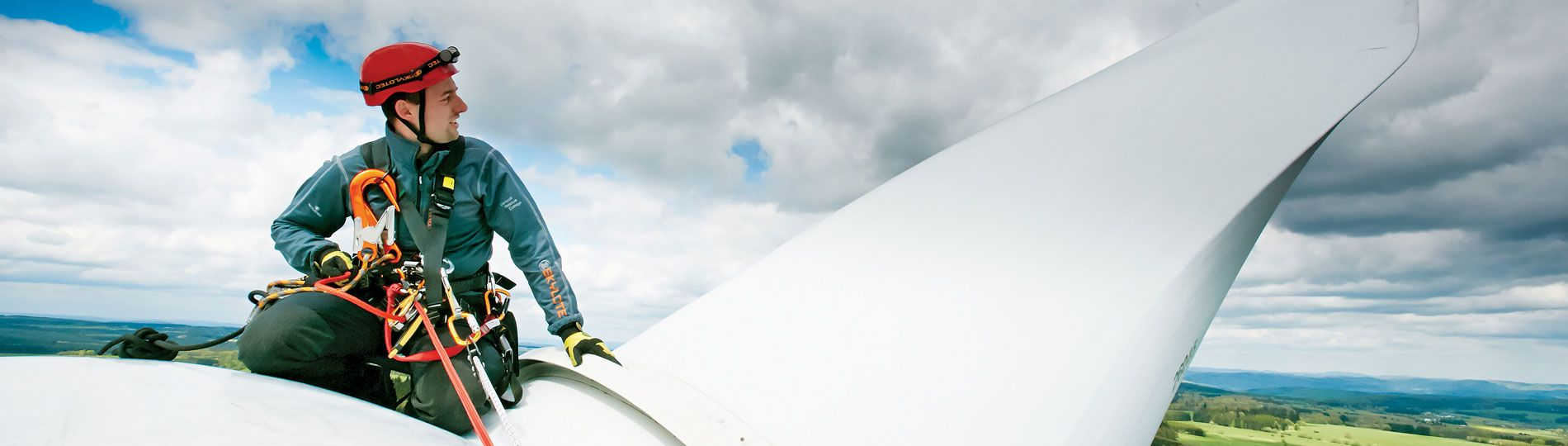
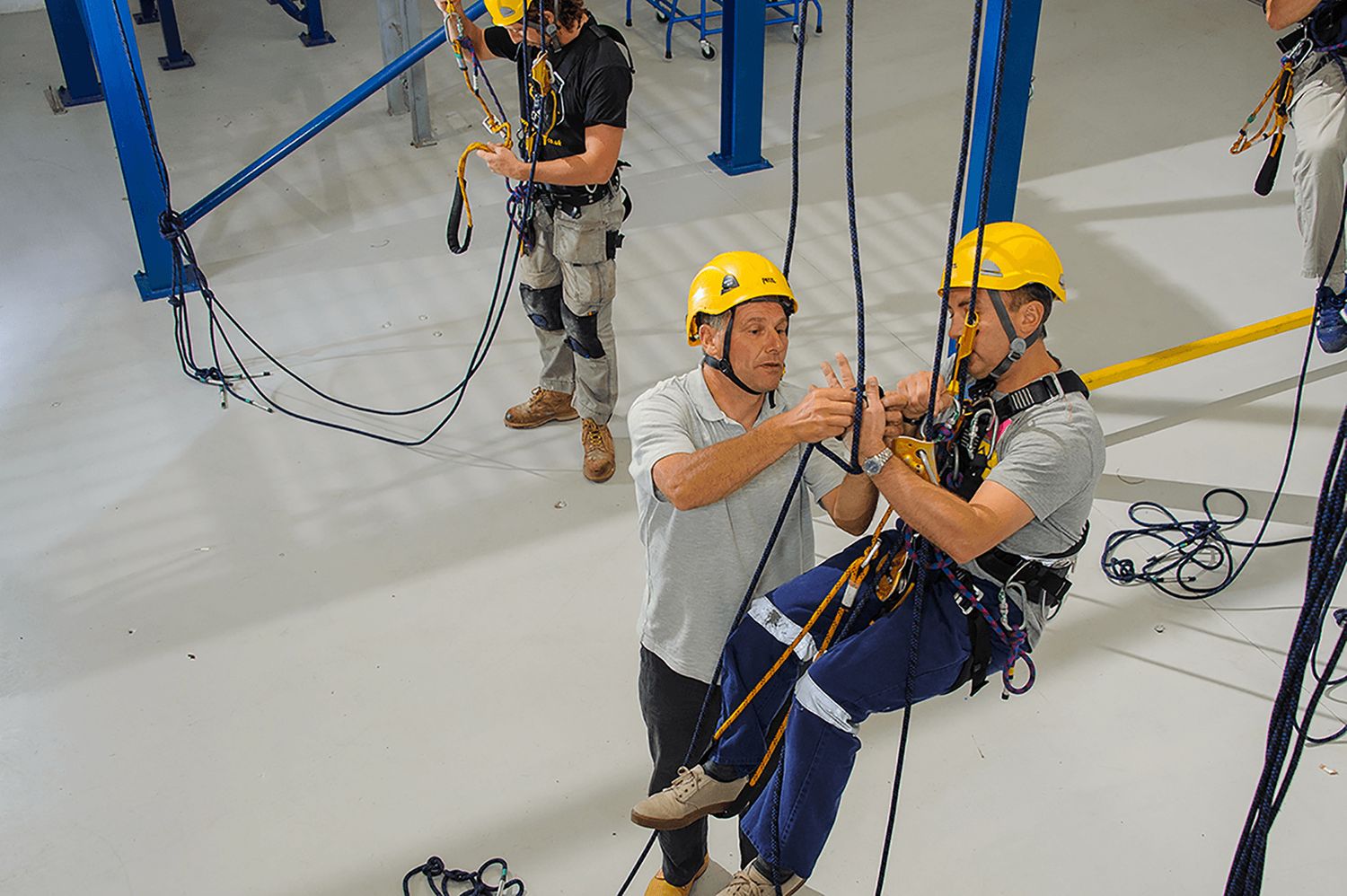
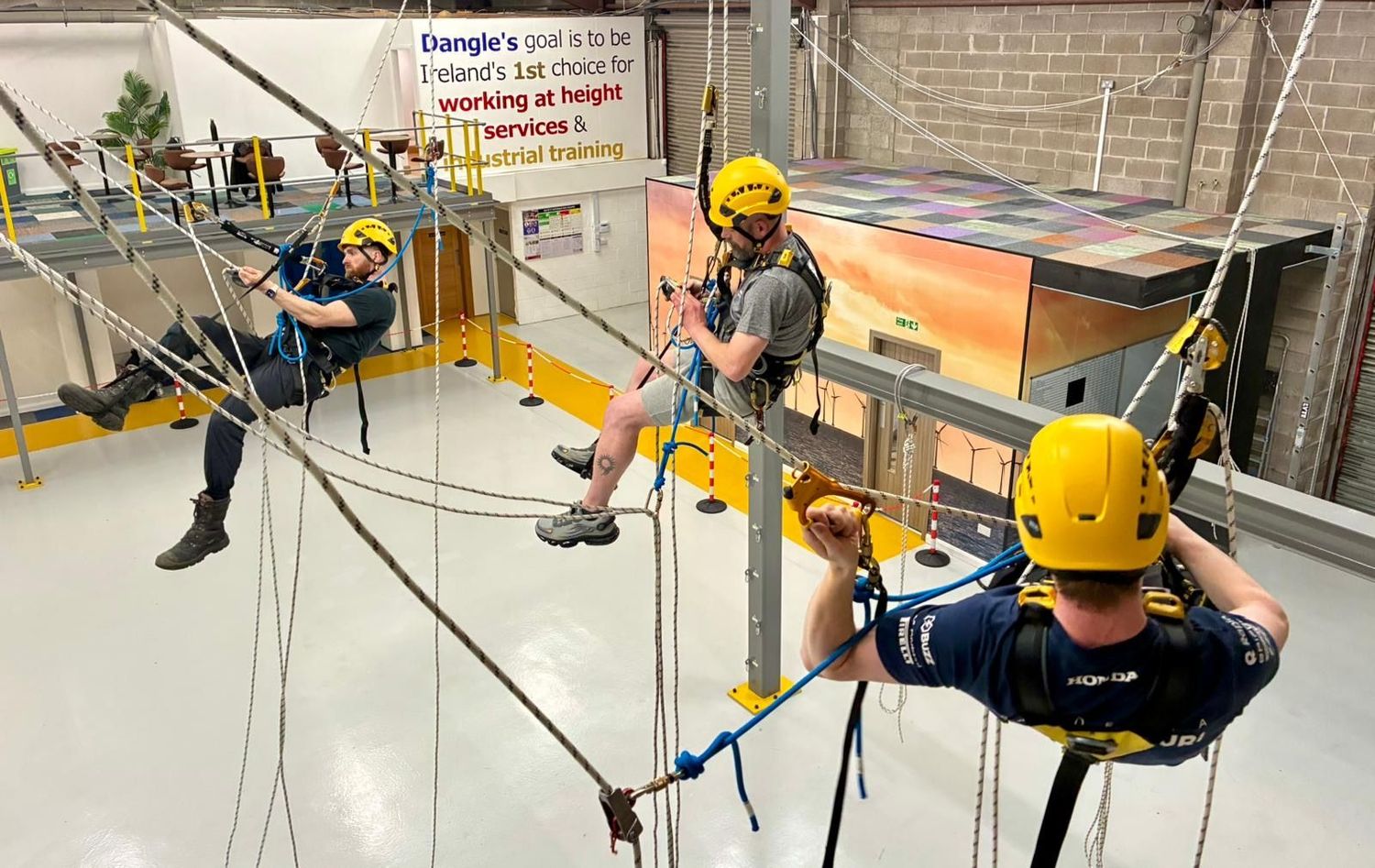
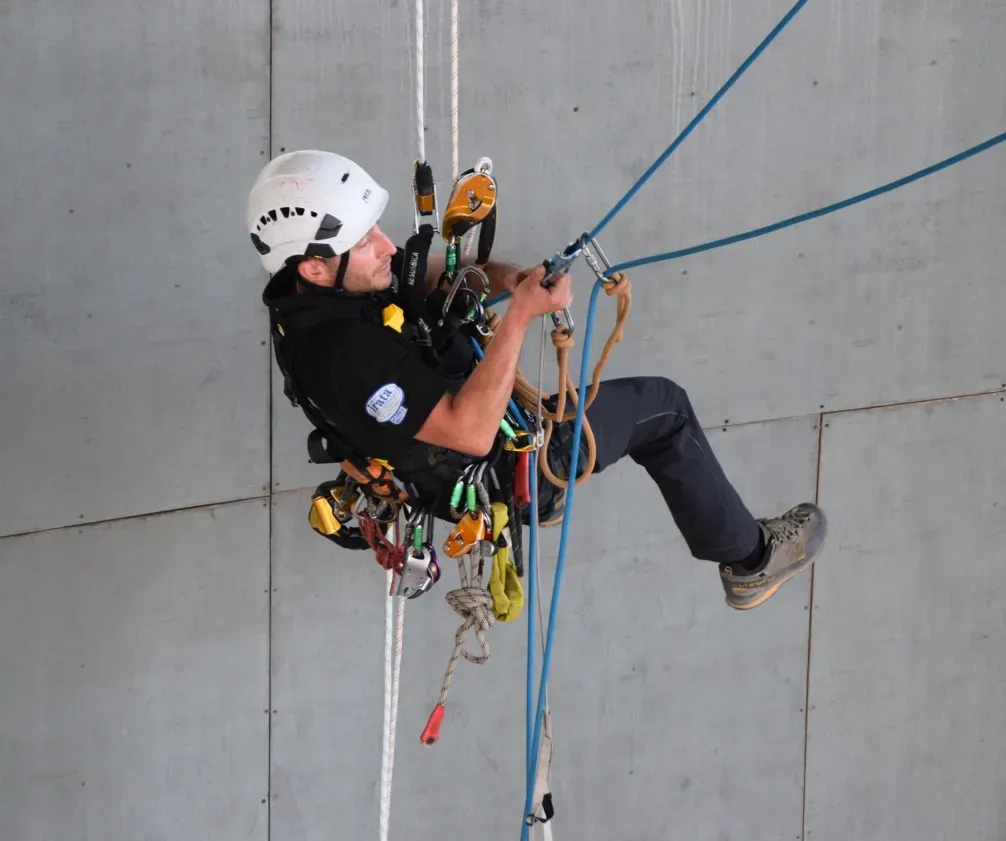
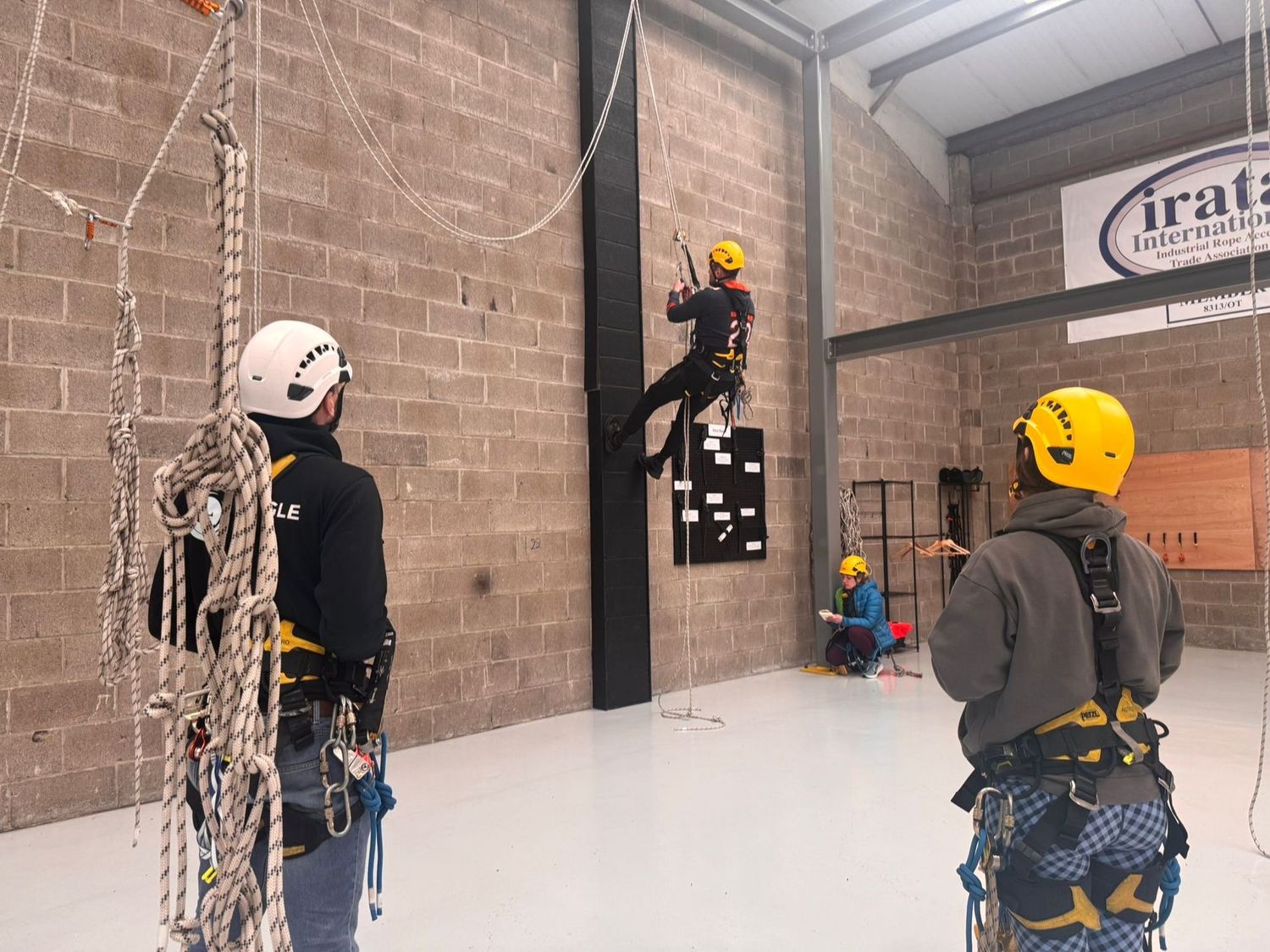
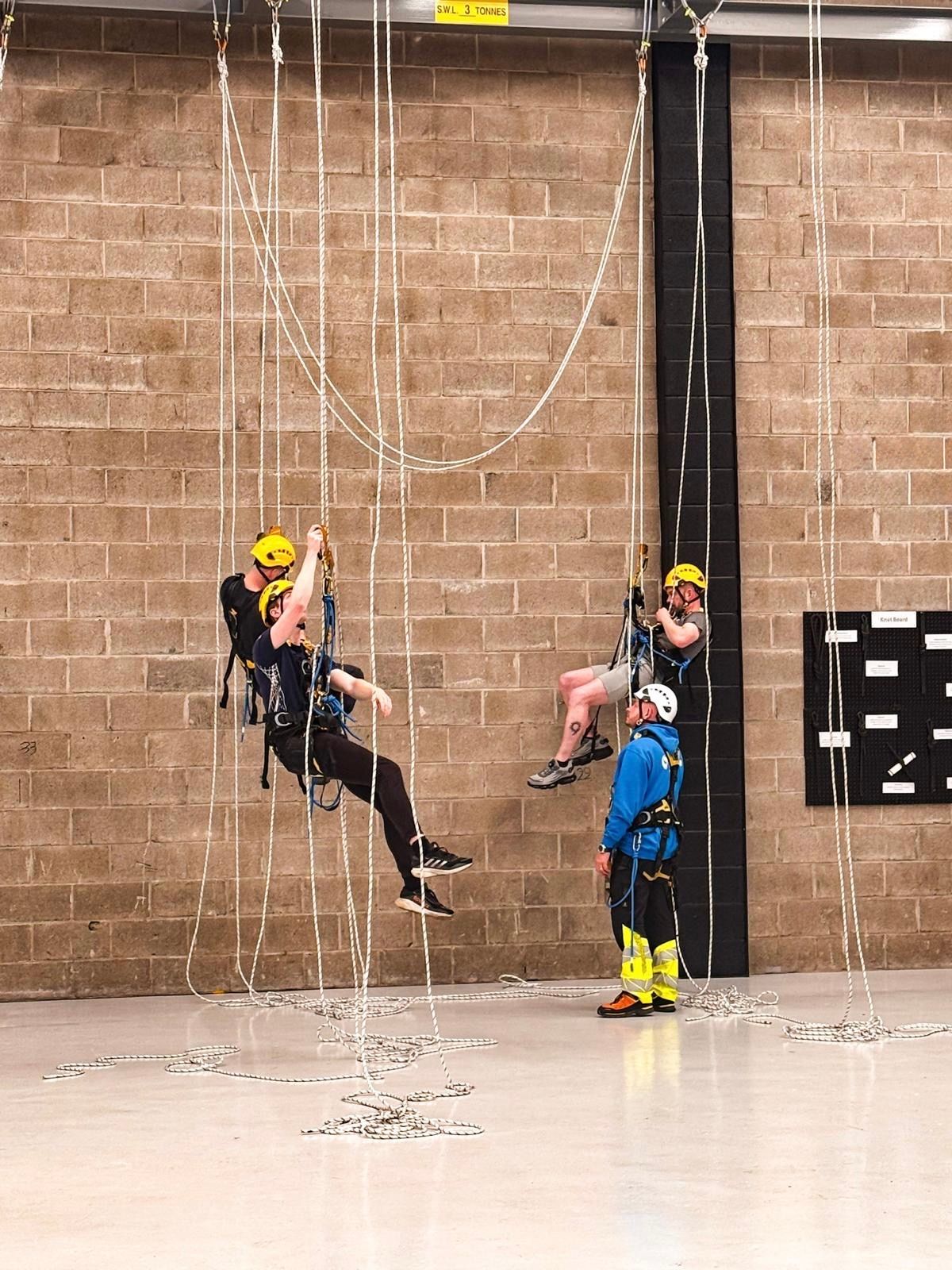
Technician suspended on twin-rope system performing manoeuvres.

IRATA Rope Access Level 3 is the advanced qualification within the Industrial Rope Access Trade Association International (IRATA) framework. Its purpose is to certify that a technician can competently perform complex rope-access tasks, supervise teams safely, and manage rope-access operations. Specifically, a Level 3 technician can:


 • Use all industrial rope-access equipment correctly and safely.

 • Perform advanced rope-access manoeuvres, system modifications, rigging and rescue operations.

 • Lead and supervise rope-access operations with minimal oversight.

 • Develop and enforce safe-system-of-work procedures on site.


From an instructor’s perspective, Level 3 is about demonstrating the highest levels of safe habits: correct equipment handling, disciplined use of backups, consistent adherence to rope-access standards and site procedure compliance.


Role and responsibilities of a Level 3 technician

A Level 3 rope-access technician operates largely independently, but with supervisory awareness. In practice, a competent Level 3:


  • Plans and supervises complex rope systems, including multi-anchor, tensioned, and horizontal rigging tasks.
  • Carries out advanced rigging, complex changeovers, hauling/lowering operations, and system modifications.
  • Leads team briefings, pre-job risk assessments, and post-job reviews.
  • Monitors the performance of other technicians (Levels 1 & 2), provides guidance, ensures compliance with procedure, reports non-conformances.
  • Oversees rescue and emergency procedures, taking lead when required and coordinating with both the rescue team and site supervision.
  • Designs and implements safe-systems-of-work (SSoW), method statements and rescue plans (in collaboration with the client/site supervisor).


At Level 3 you are expected to take full operational responsibility, rather than just executing tasks under supervision.

Purpose and scope of Level 3 certification

IRATA Rope Access Level 3 certification is the highest technician level in the IRATA trade. Level 3 training covers advanced technical, supervisory and rescue competencies required to carry out rope-access work safely and lead teams in diverse environments.


Key objectives include:


  • Using rope-access equipment correctly and safely, including inspections, retirement criteria and compatibility of systems.
  • Performing advanced manoeuvres: transfers, deviations, free-hanging rigging, tensioned lines, complex changeovers and haul/lower systems.
  • Designing, implementing and verifying horizontal anchor systems, load-sharing anchors, multi-point systems and advanced rescues.
  • Leading and executing rope-access rescue operations and emergency recovery within the scope of a safe-system-of-work.
  • Leading, developing and ensuring compliance to safe-systems-of-work and standard operating procedures (SOPs) for rope access.

Key differences from Level 1 and Level 2

For context, IRATA TACS (Training Assesment and Certification Scheme) explain the three IRATA levels like this:


  • IRATA Rope Access Level 1 – Rope access technician (entry level)
  • Executes pre-planned rope systems and standard manoeuvres.
  • Carries out work tasks at height under supervision.
  • Supports, but does not lead, rescue operations.


  • IRATA Rope Access Level 2 – Lead rope access technician (intermediate)
  • Handles more complex rope access techniques and rigging.
  • Takes a more active role in rescue procedures.


  • Level 3 – Rope access supervisor (advanced)
  • Responsible for work planning, typically including RAMS, permit to work documentation, client facing roles and rope access safety guidelines on site.

IRATA Tech Connect


IRATA must verify each rope-access technician's identity. By doing so, IRATA ensures that:


  • Only legitimate technicians can access IRATA TechConnect.
  • Personal and professional data is protected from unauthorised access.
  • The community remains secure and trustworthy.
  • Compliance with applicable legal and regulatory requirements is maintained.


IRATA accepts the following types of ID documents:


  • Passport (preferred)
  • Driving License (valid)
  • Government-issued Photo ID


  • What are the entry requirements for Level 3?

    Candidates must satisfy the following minimum criteria:


     • Hold a valid IRATA Level 2 certificate (issued by an IRATA-approved training body) with minimum 12 months experience at Level 2 and 1,000 log-book hours at Level 2.

     • Be at least 18 years old.

     • Be medically fit for rope-access work at height (as required by IRATA and your employer).

     • Demonstrate proficiency in the language of instruction.

     • Hold a recognised First Aid at Work certificate.

     • Meet any additional local or employer-specific prerequisite requirements.

  • How long is the certification valid, and are revalidations required?

    Upon successful completion, an IRATA Level 3 certificate and ID card are issued and remain valid for 3 years. Before expiry you must complete revalidation (or upgrade) through refresher training and assessment at an IRATA-approved centre.

IRATA Level 3 Training and Syllabus

The IRATA training syllabus is standardised across all IRATA-approved centres. For Level 3, instructors cover:


  • Introduction to IRATA ICOP (International Code of Practice) and the expanded role/responsibilities of Level 3.
  • Equipment identification, functions, inspection intervals and retirement criteria (harnesses, helmets, connectors, descenders, ascenders, backups, ropes, slings).
  • Knots, terminations and rope-access slings and hitches used in advanced systems.
  • Advanced rope access techniques: efficient ascending/descending, seamless changeovers under load, passing deviations, re-anchors, tensioned lines and horizontal systems.
  • Rigging for load-sharing anchors, haul/lower using mechanical advantage, complex rescue systems and retrievable rigging.
  • Work positioning and safe tool/material handling at height.
  • Rescue procedures and the Level 3’s lead role within the rescue plan.
  • Risk awareness: typical rope-access hazards, hazard identification, control measures (redundancy, edge protection, fall-factor minimisation).
  • Safe Systems of Work (SSoW): developing method statements, rescue plans, toolbox talks, team briefings, site documentation and supervision.

Core modules covered in Level 3 training

The IRATA Rope Access Level 3 course has been registered by CITB NI for grant assistance to registered in scope employers, terms and conditions apply.

Theory and practical skills taught

From an instructor’s perspective, effective Level 3 training balances structured theory with repeated practical application.


Theory elements include:


  • The IRATA system, roles and responsibilities.
  • Legal requirements and best practice for work at height (UK & International).
  • Core safety principles: redundancy, fall-factors, edge-management, anchor-design, system validation.
  • Equipment standards, inspection intervals and retirement criteria.
  • Advanced rescue planning, emergency communication and team-coordination.


Practical content focuses on:


  • Fitting, adjustment and thorough inspection of harnesses and PPE.
  • Efficient, safe repetition of advanced rope manoeuvres until movements are consistent and controlled.
  • Accurate rigging of complex systems: multi-anchor, haul/lower, tensioned lines, deviations, horizontal systems.
  • Safe use of tools at height without compromising the rope system, including materials handling, tool lanyards and ergonomics.
  • Behavioural focus: decision-making, situational awareness, team-coordination, briefing/debriefing, rescue simulation.


Theory and practical elements are integrated and assessed using realistic operation-based scenarios so candidates demonstrate safe, competent application of the syllabus. The combined Level 3 course content ensures that candidates can apply theory directly in tough rope-access scenarios.

FAQs – IRATA Level 3 Training and Syllabus

  • What topics are included in Level 3 training?

    Level 3 training builds upon Level 2 by introducing advanced rope-access manoeuvres, rigging, rescue techniques and supervisory-level responsibilities. It covers equipment inspection, safe-systems of work procedures, risk assessment, and the full application of IRATA safety principles such as redundancy, edge protection and fall-factor control.

  • How long is the Level 3 course?

    Most IRATA Level 3 courses run over five consecutive training days plus a separate assessment day. The exact timetable may vary, but this structure aligns with IRATA’s published expectations for contact time and competence development.

Elevate Your Skills to Level 3

Safety Guidelines for IRATA Level 3 Rope Access

Level 3 specific safety standards and protocols

For Level 3 technicians, rope access safety guidelines centre on consistent, disciplined behaviour. IRATA emphasise:


  • Always work on two independently anchored ropes (working + safety line) unless the system is engineered otherwise.
  • Maintain correct attachment at all times, minimising slack in the system.
  • Carry out pre-use checks on harnesses, devices, connectors and ropes.
  • Conduct buddy-checks or team checks before starting work or changing systems.
  • Respect site-specific safety rules, method statements and emergency procedures.
  • Use only equipment approved for rope access (compatible connectors, devices, rope types, ratings).


At this level, you are expected to apply the rope access rules, in-line with IRATA's ICOP and TACS.

Common hazards faced by Level 3 technicians

IRATA member companies teach Level 3 candidates to recognise and report rope access hazards such as:


  • Sharp or abrasive edges that can damage ropes or lanyards.
  • Unsecured tools and materials that could become dropped-objects.
  • Poor anchor conditions: corroded steel, loose fixings or unknown structure.
  • Adverse weather: high winds, rain, lightning, extreme temperatures.
  • Environmental risks: chemicals, dust, fumes, noise, confined areas.
  • Fatigue, dehydration and poor ergonomics affecting concentration and performance.
  • Incorrect anchor loading, fall-factor miscalculation and lack of redundancy.


While many of these are familiar to Level 2 technicians, at Level 3 you must lead hazard identification, establish control measures, verify system integrity and mentor other team members.

PPE requirements and proper usage

As instructors, we expect Level 3 technicians to be confident with their PPE (personal protective equipment) and that of the team they may represent. This typically includes:


  • Full-body harness designed for rope access; properly adjusted and inspected.
  • Industrial helmet with chin strap, suitable for working at height and rope-access conditions.
  • Certified descenders, ascenders, backups, rope devices and connectors.
  • Cow’s-tails, work-positioning lanyards and, where applicable, work-seats.
  • Gloves and appropriate clothing suited to the environment and task.
  • Additional PPE as required: eye protection, hearing protection, respiratory protection, chemical-resistant gear, etc.
  • Correct fit, compatibility and regular inspection are key parts of rope-access safety at Level 3.
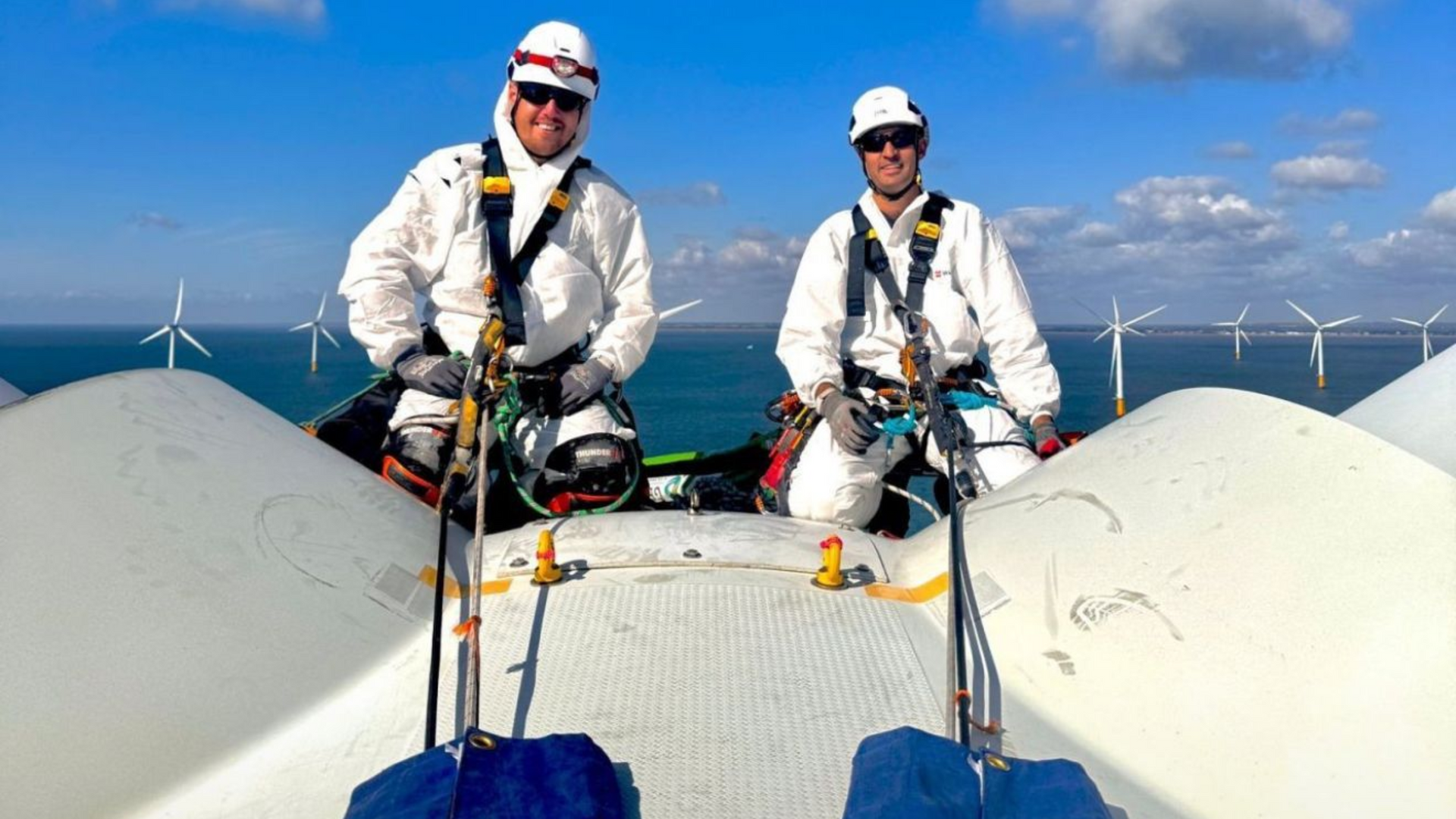
Two dangle rope-access workers on a wind turbine nacelle, wearing white suits and safety gear, overlooking ocean turbines.

Rope Access Techniques for Level 3

Advanced climbing and descending methods

A key focus of Level 3 is refining advanced rope access techniques. IRATA expect technicians to:


  • Connect safely to both working and backup ropes using correct devices and connectors.
  • Ascend efficiently using chest and hand ascenders with smooth, controlled body movement.
  • Descend under full control with approved descenders and backup systems.
  • Execute seamless, well-timed changeovers between ascent and descent.


These core skills must be performed consistently under assessment and real-world site conditions, not just once in ideal scenarios.


Anchoring and rope handling techniques

At Level 2, you are not designing complex systems, but you must understand how they function. Training covers:


  • Complex concepts of anchor strength, redundancy and load direction.
  • Using slings and connectors correctly as directed by the supervisor.
  • Protecting ropes at edges and contact points with rope protectors or padding.
  • Managing rope length, coils and terminations to avoid tangles and tripping hazards.
  • Keeping ropes clean and clear of chemicals, sharp objects and moving machinery.


These elements ensure that your rope access techniques sit within a robust, well-managed rope system.

  • What PPE is required for Level 3 technicians?

    For Level 3 rope access technicians, the required PPE aligns with IRATA standards but with emphasis on supervision, advanced operations, and rescue leadership. From an instructor perspective:

    • Full-body rope access harness: Correctly adjusted, inspected, and rated for work at height.
    • Industrial helmet with chin strap: Suitable for impact protection and rope access conditions.
    • Certified connectors and rope devices: Descenders, ascenders, backups, cow’s tails, and lanyards.
    • Gloves and appropriate work clothing: Protect against abrasion, weather, and environmental hazards.
    • Work-positioning gear: Work-seats, adjustable lanyards, and attachments as needed for advanced tasks.
    • Additional site-specific PPE: Eye protection, hearing protection, respiratory protection, chemical-resistant clothing, or other environmental PPE as required.

    Key points for Level 3:

    • Technicians must inspect their own PPE and verify that the team’s PPE is correct.
    • PPE must be compatible, properly maintained, and replaced when necessary.
    • Level 3 supervision includes ensuring correct use of PPE during rescues and complex manoeuvres.
  • How would you plan and manage a rescue on a complex worksite?

    Pre-work (before any rope access starts)

    • Review SSoW, method statement and site rescue plan.
    • Check anchors, system design, access routes and likely rescue scenarios.
    • Confirm suitable, compatible kit; stage spares and pre-rig key items.

    During operations

    • Maintain overall oversight and monitor changing conditions.
    • Keep communication clear; ensure roles are understood.

    On incident

    • Follow the rescue plan unless a safety-driven deviation is required (then control, document, communicate).
    • Verify anchors and systems before any movement.
    • Choose the simplest, safest option first; escalate to complex MA/rigging only if necessary.

    Team control

    • Allocate tasks by competence (Level 1/2 support; Level 3 retains high-risk actions).
    • Direct equipment prep, belay, casualty stabilisation and haul/lower operations.

    Finish & learn

    • Secure casualty to a safe platform and hand over care.
    • Isolate/inspect kit, record the incident, run a formal debrief and update the rescue plan or SSoW.
  • How do you manage dynamic risk on a rope access job?

    Dynamic risk starts with a solid baseline: reviewing the SSoW, identifying site hazards and confirming anchors, rope paths and access methods. 


    Once work begins, the focus shifts to continuous monitoring of weather changes, moving plant, fatigue, equipment issues, and deviations from the work plan.


    The Level 3 must maintain communication with the team, keep clear sight of critical points, and intervene early if conditions drift outside the safe envelope. Controls are adjusted as needed: re-rigging, repositioning ropes, reducing loads, or rotating technicians. Any change is logged and briefed immediately.


    If conditions cannot be controlled to an acceptable level, work is stopped until the risk can be managed safely. Dynamic risk management is a constant cycle of observation, communication, intervention and review.


    See it, Sort it and Report it!

Tips for maintaining stability, efficiency, and safety

From an instructor’s point of view, good Level 3 technicians:


  • Use legs and core rather than relying solely on arm strength.
  • Adjust their position to keep the work area close and comfortable.
  • Keep lanyards at sensible lengths to avoid unnecessary swing or fall factor potential.
  • Manage tools so they are accessible but secure (e.g. lanyard, holstered).
  • Work at a pace that maintains control and situational awareness.


Stability and efficiency are not just about comfort, they are part of the technicians risk control.

See our IRATA Training Manual

100,000 +

Active IRATA technicians around the world and growing.


31.3%

Increase in IRATA Level 3 employment in 2024.


FAQs – Rope Access Techniques

  • What rope techniques are taught in Level 3?

    Level 3 includes advanced rope access techniques such as:


    • Advanced ascending/descending and efficient rope transitions
    • Under-load changeovers (Croll ↔ descender) and rope-to-rope transfers
    • Passing deviations, re-anchors and knots safely with a casualty.
    • Rigging load-sharing anchors, horizontal lines and complex anchor system.
    • Tensioned/traverse lines and moving on horizontals
    • Mechanical-advantage hauling and controlled lowering systems (1:1 → compound MA)
    • Designing, modifying and verifying rope systems on site
    • Leading and executing complex rescues (pick-offs, haul/lower, stretcher work)
    • Supervisory skills: SSoW, risk assessment, team briefings and system checks
    • Tool/material handling and dropped-object prevention at height
  • How do Level 3 technicians maintain safe movement?

    Safe Movement Principles for Level 3 Technicians include;


    • Dual-rope attachment: Always on working safety/back-up lines with independent anchors.
    • Pre-use checks: Inspect harnesses, ropes, connectors, and anchors before moving.
    • Controlled transitions: Changeovers, knot passing, and rope-to-rope transfers done deliberately.
    • Load & tool management: Minimise slack, manage dynamic forces, secure tools and materials.
    • Route & anchor awareness: Monitor anchor integrity, rope paths, and environmental hazards.
    • Supervision & communication: Lead team safety, maintain spacing, and verify compliance with SSoW.

Rescue Procedures at Level 3

Emergency and rescue protocols specific to Level 3

Rescue planning sits with the Level 3 supervisor, however Level 2 technicians must understand the more advanced aspects of rope access rescue procedures:


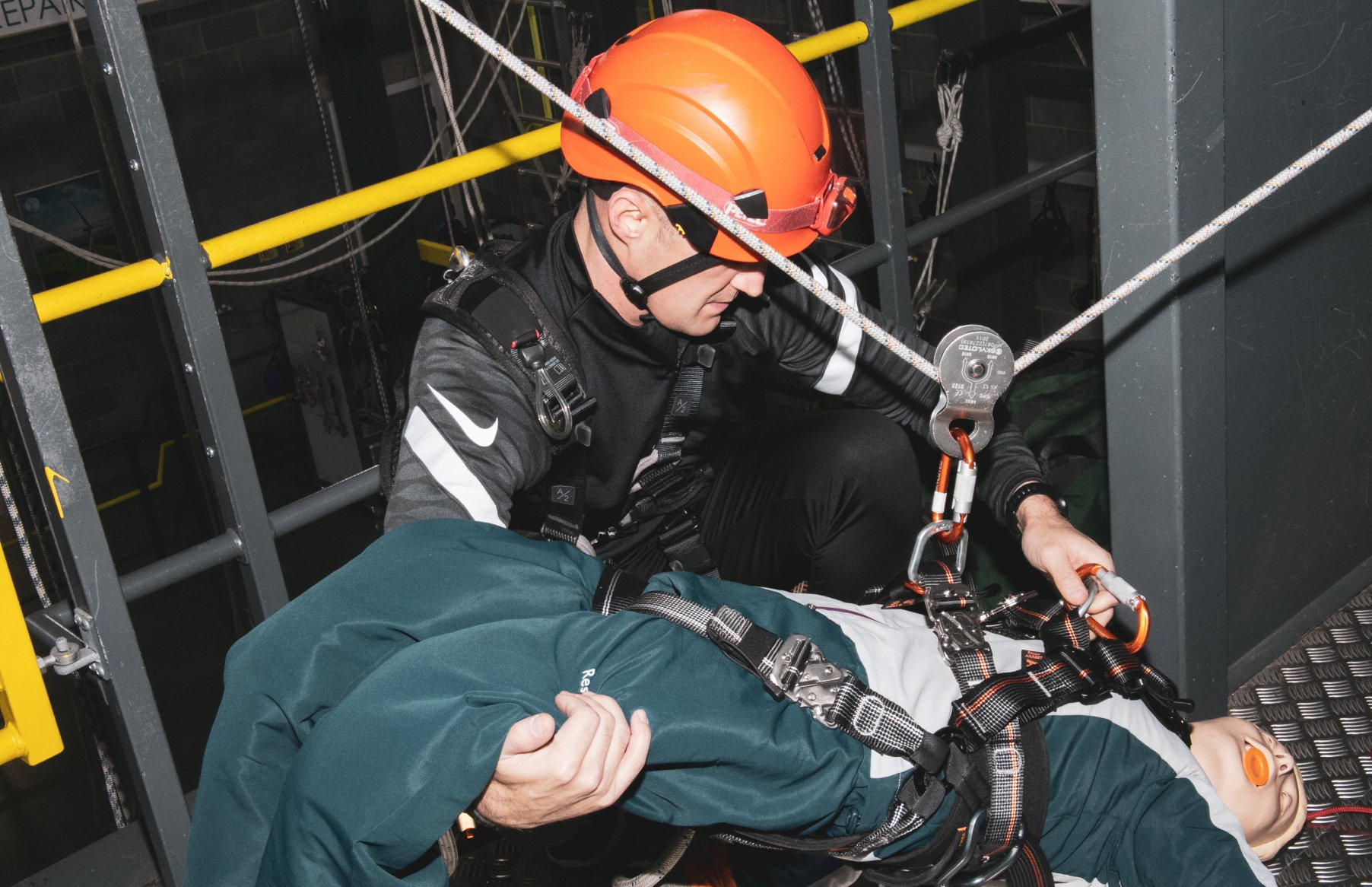
  • Level 3 technicians are responsible for planning, supervising, and leading all rope access rescues.
  • Develop and verify rescue plans for each job, including equipment, roles, and communication protocols.
  • Assign tasks and coordinate Level 1 and Level 2 team members during rescues.
  • Maintain overall safety oversight, ensuring compliance with techniques, PPE, and the site Safe System of Work (SSoW).
  • Lead or assist in complex rescue operations, including multiple casualties or challenging environments.
  • Maintain situational awareness, monitoring anchors, rope paths, hazards, and team actions.


Your primary responsibility is not to lead rescues, but to support them safely.


Common rescue scenarios and step-by-step procedures


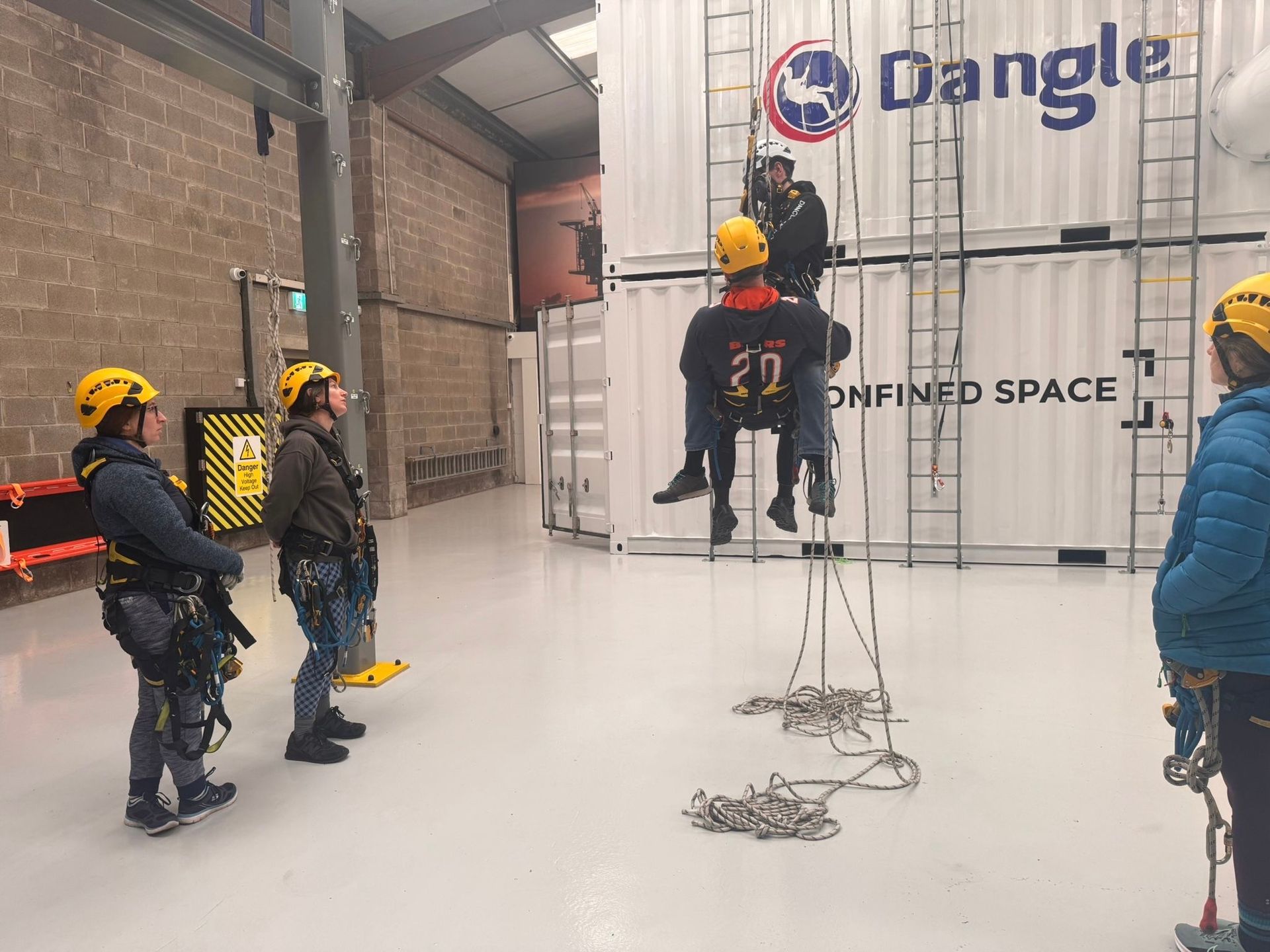
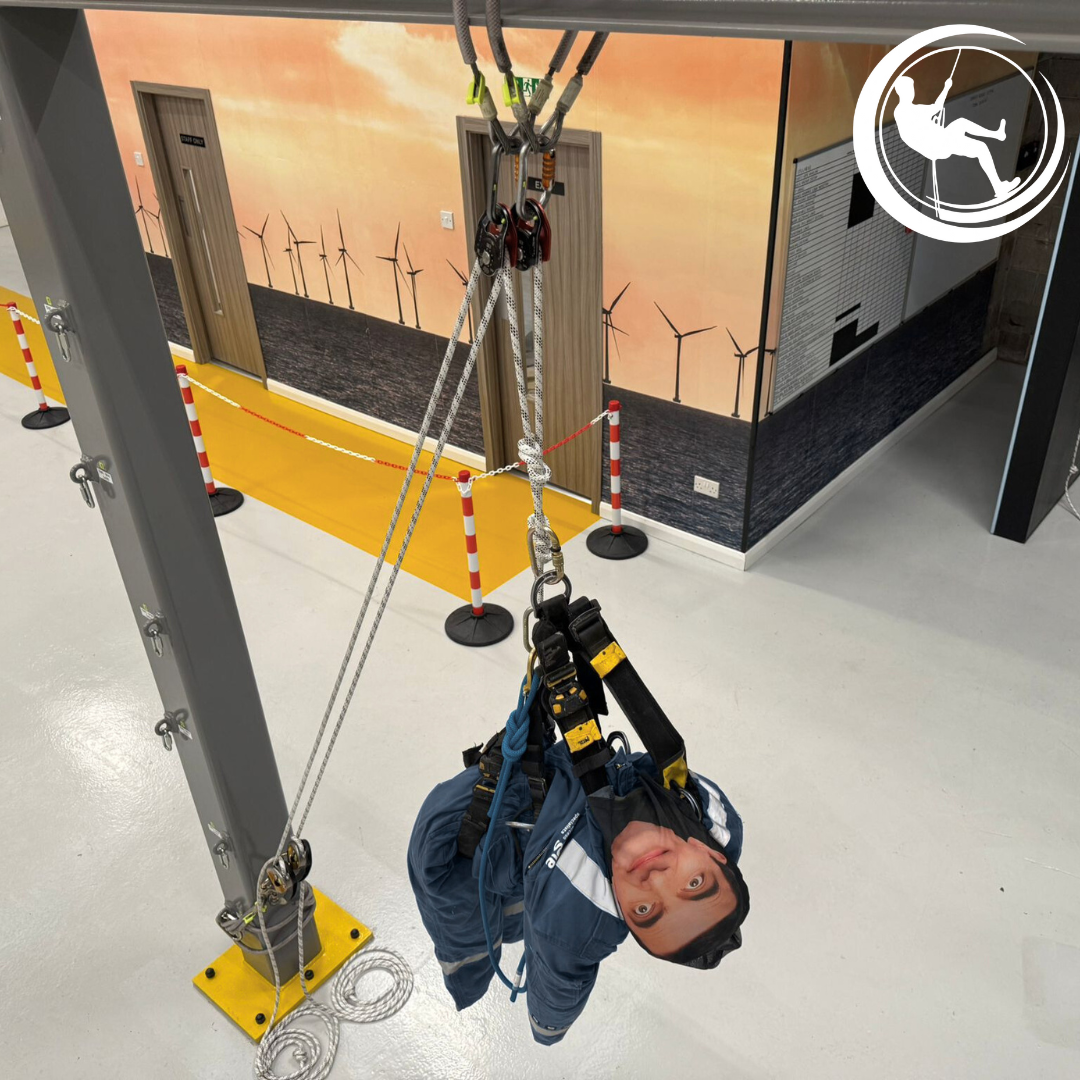
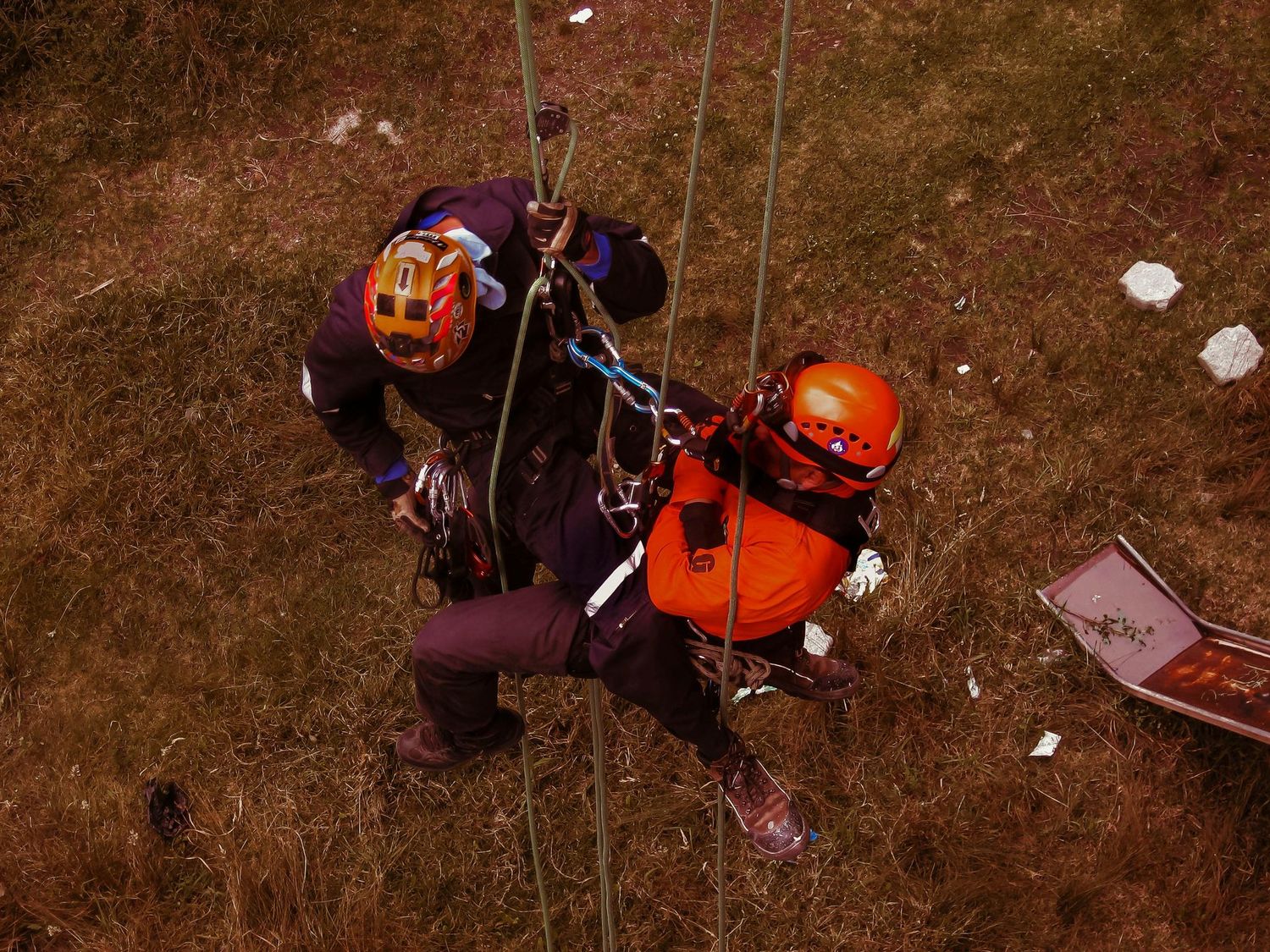
During training, instructors often use simplified scenarios to illustrate rope access rescue procedures, such as:


  • A technician suspended or incapacitated, requiring recovery to a safe platform.
  • Equipment failure or obstruction preventing safe ascent or descent.
  • Complex haul/lower operations using mechanical advantage systems.
  • Aid-climbing or solo vertical aid-climb rescues requiring coordinated team effort.


Step-by-step approach under Level 3 supervision:


  1. Confirm the rescue plan and assign roles to the team.
  2. Ensure equipment and anchors are checked and ready.
  3. Direct Level 1 and Level 2 technicians in safe support tasks (e.g., passing equipment, stabilising the casualty).
  4. Oversee the execution of the rescue, verifying correct techniques and safety compliance.
  5. Adapt only when safety requires, maintaining calm and methodical control.
  6. Document the rescue and conduct a post-operation review to identify lessons learned.


Importance of drills and preparedness for emergencies

Instructors stress that rope access rescue procedures only work if the team practises them. For Level 2 this means:


  • Participating in regular rescue drills.
  • Listening carefully during toolbox talks and emergency briefings.
  • Asking questions when any part of the rescue plan is unclear.
  • Treating every drill as if it were a real event - no shortcuts, no complacency.


  • What rescue skills are covered in Level 3?

    For IRATA Level 3, rescue skills focus on planning, leading, and executing complex rope access rescues, beyond the operational support taught at Level 2. From an instructor perspective, the main skills include:


    • Rescue Planning & Leadership: Develop, verify, and supervise rescue plans; assign team roles and maintain situational awareness.
    • Advanced Techniques: Execute complex rescues including pick-offs, haul/lower systems, aid-climbing, and multi-casualty scenarios.
    • Team Coordination: Direct Level 1 and Level 2 support, ensure strict adherence to procedures, and manage equipment and casualty handling.
    • Safety & Compliance: Maintain personal and team safety, enforce PPE and redundancy, and adapt only when required.
  • How is emergency training evaluated?

    Emergency understanding is assessed through:

    • Practical Assessment: Lead realistic rescue scenarios, demonstrating advanced techniques safely.
    • Team Leadership: Assign and direct Level 1 & Level 2 support roles effectively.
    • Decision-Making & Communication: Maintain situational awareness and clear instructions throughout the rescue.
    • Safety Compliance: Monitor anchors, ropes, PPE, and ensure controlled, methodical actions.
    • Post-Exercise Review: Conduct debriefs, document lessons learned, and identify areas for improvement.
  • What industries can I work in with Level 3?

    At IRATA Level 3, technicians are qualified to lead rope access teams and manage complex operations, so the range of industries is broad. From an instructor perspective, Level 3 opens supervisory and specialist opportunities across sectors where industrial rope access is required.


    • Oil & Gas: Offshore platforms, refineries, and structural maintenance.
    • Construction & Civil Engineering: High-rise façades, bridges, and cladding.
    • Renewable Energy: Wind turbines, solar arrays, and offshore structures.
    • Telecommunications & Utilities: Cell towers, power lines, and substations.
    • Industrial Maintenance & Manufacturing: Tanks, plant machinery, and confined spaces.
    • Emergency Services & Specialist Rescue: Rope access rescue teams and complex emergency response.

  • How does Level 3 prepare for advanced rope access roles?

    Level 3 provides;

    • Supervisory Skills: Trains technicians to plan, lead, and manage rope access teams safely.
    • Advanced Rescue Competence: Develops ability to design, supervise, and execute complex rescue operations.
    • Complex System Design: Covers rigging of load-sharing anchors, tensioned lines, horizontal systems, and multi-anchor setups.
    • Risk Management & SSoW Implementation: Builds expertise in assessing hazards, enforcing safe systems of work, and making operational decisions.
    • Decision-Making Under Pressure: Provides experience in situational awareness, problem-solving, and adapting plans when conditions change.
    • Mentoring & Team Development: Prepares technicians to train and guide Level 1 and Level 2 team members, fostering competency across the crew.

Certification Requirements for IRATA Level 3

Eligibility criteria for Level 3 certification

Candidates must meet IRATA’s standard certification requirements:


  • Minimum age of 18.
  • Medical fitness for rope-access work (often confirmed by a recognised medical certificate).
  • Ability to understand the training and safety information in the course language.
  • Completion of an approved IRATA Level 2 training course.
  • Minimum of 12 months’ full-time experience at Level 2 and 1,000 log-book hours at Level 2.
  • Accurate log-book entries supporting experience and competence.
  • Training providers may apply additional conditions based on local regulations or internal policy.

Maintaining and renewing Level 3 certification

Level 3 certificates are valid for three years. To remain qualified students must:


  • Work regularly on rope-access tasks and record hours in an IRATA log-book.
  • Maintain their skills through ongoing practice and involvement in rope-access operations.
  • Re-validate before the expiry date, by undertaking refresher training and passing a reassessment at an IRATA-approved centre.
  • For candidates seeking upgrade to higher responsibility, seek IRATA’s next steps (e.g., supervisory roles, auditing roles) within member companies.


Theoretical and practical assessment components

The Level 3 assessment (carried out by an independent IRATA assessor) includes:


  • Practical assessment:
  • Advanced rope-manoeuvres (ascending, descending, changeovers, deviations, re-anchors) under realistic conditions.
  • Rigging complex systems from scratch: haul/lower, tensioned lines, rigging modifications.
  • Work-positioning and tool management at height.
  • Demonstration of rope-access safety guidelines in practice: system checks, backups, communication, decision-making.


  • Theory assessment:


  • Written questions covering equipment identification, inspection and retirement.
  • Key elements from IRATA ICOP, TACS, local legislation and rope-access best practice.
  • Advanced rescue procedures, system design awareness, and hazard control.
  • Verification of safe-systems-of-work (SSoW) understanding and supervisory responsibility.


The aim is to verify not only that candidates can perform tasks, but that they understand why actions are taken, can supervise others, and can respond safely under changing site-conditions.

Frequently Asked Questions About IRATA Rope Access Level 3

Common questions about training, skills, and career preparation

  • What topics are included in Level 3 training?

    Level 3 training builds on Level 2 by introducing advanced rope-access manoeuvres, rigging systems, rescue leadership, supervisory responsibilities and system design awareness. It covers equipment inspection, safe-systems-of-work procedures, risk assessment, rescue coordination and full leadership of rope-access operations.

  • How long is the Level 3 course?

    Most IRATA Level 3 courses run over five consecutive training days plus a separate assessment day. The exact timetable may vary between training centres, but this structure aligns with IRATA’s expectations for contact time and competence development.

  • Do I need prior experience to join Level 3?

    Yes prior rope access experience is required before Level 3. 


    Technicians should:

    • Be reasonably fit and able to work in a harness for extended periods.
    • Be comfortable with exposure to height.
    • Be prepared for intensive training across both theory and practice.
    • hold 1,000 hours and a minimum of 12 months experiance at Level 2.
  • How demanding is the Level 3 course?

    The Level 2 course is the pinicle certification for any rope access technican, therefore it's physically and mentally demanding. Assessment day can feel intense, but with five days of preparation, aspiring technicians are typically ready. The IRATA Assessor will look for:

    • Rigging a variety of complex rope systems from scratch.
    • Carry out complex rescues with precision and safety.
    • Show correct use of back-up devices, connectors, and edge protection.
    • Demonstrate theoretical knowledge and test understanding of safe systems of work. 

    Pass, and  a certificate, ID card, and logbook entry will confirm progression or reval to IRATA rope access level 3.

  • What is the benefits of Level 3 certification for career progression

    Level 3 certification confirms advanced rope access competence, including complex rescues, mechanical advantage systems, and work withoutl supervision. 


    It enables technicians to take charge of a rope access team, manage rescue operations without supervision, and take on higher-responsibility, significantly enhancing career progression, employability, and international recognition.

  • How can I prepare for a Level 3 course and assessment?

    Accumulate substantial rope access experience, and develop proficiency in mechanical advantage systems, advanced rescue scenarios, casualty lowering, and complex rigging. 


    Practice efficient, safe decision making under minimal supervision, as assessments test both technical skill and judgment.

  • What mindset should I bring to training?

    The most successful Level 3 candidates:


     • Listen carefully and follow instructions precisely.

     • Ask questions when unsure, especially about safety.

     • Accept feedback and apply it immediately.

     • Focus on control and consistency rather than speed.

  • How do I choose an IRATA training provider?

    Look for an IRATA-approved training centre with experienced instructors, suitable facilities and a strong safety culture. 


    (For example, Dangle Academy in Belfast is an IRATA-approved provider, but whichever centre you choose, always verify their current IRATA status.)

This ends the IRATA Rope Access Level 3: Complete Informational Guide, covering the Level 3 course content, IRATA certification requirements, rope access safety guidelines, core techniques, rescue procedures, the IRATA training syllabus and typical rope access hazards from an instructor’s perspective.

View course dates & booking