Marine Paint
The Ultimate Guide to Marine Paint: Everything You Need to Know
Marine paint and coatings help protect boats, ships and offshore structures from corrosion, weathering and marine growth. This guide explains the main coating types, including antifouling, epoxy and polyurethane systems, and the factors to consider when choosing a coating for your vessel or marine asset.
For help with a coating project, explore Dangle’s marine and industrial painting services or contact our team to discuss your asset. To develop practical coating skills, view our industrial painter training courses.
In this guide
- What is Marine Paint?
- Antifouling Marine Paint
- Types of Marine Paint for Ships
- How to Choose the Right Marine Paint
- Marine Paint FAQs
What is Marine Paint?
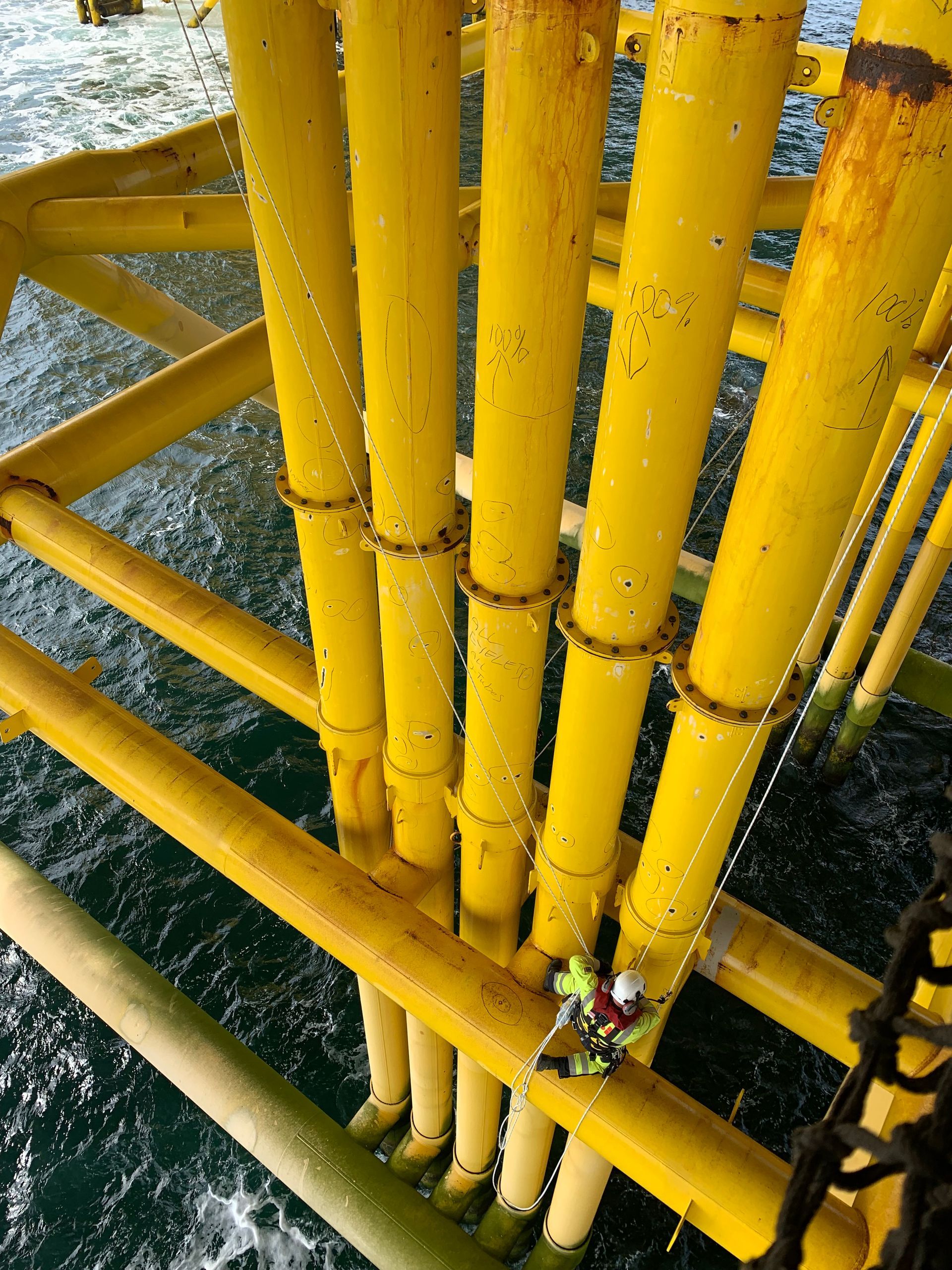
Marine paint is a collective term for specialist coatings used on boats, ships and offshore structures. Different products provide corrosion protection, fouling control or resistance to sunlight and weathering. The coating system must suit the substrate, exposure conditions and intended service. For steel structures, ISO 12944 provides guidance on corrosion protection using protective paint systems.
Key Benefits of Marine Paint
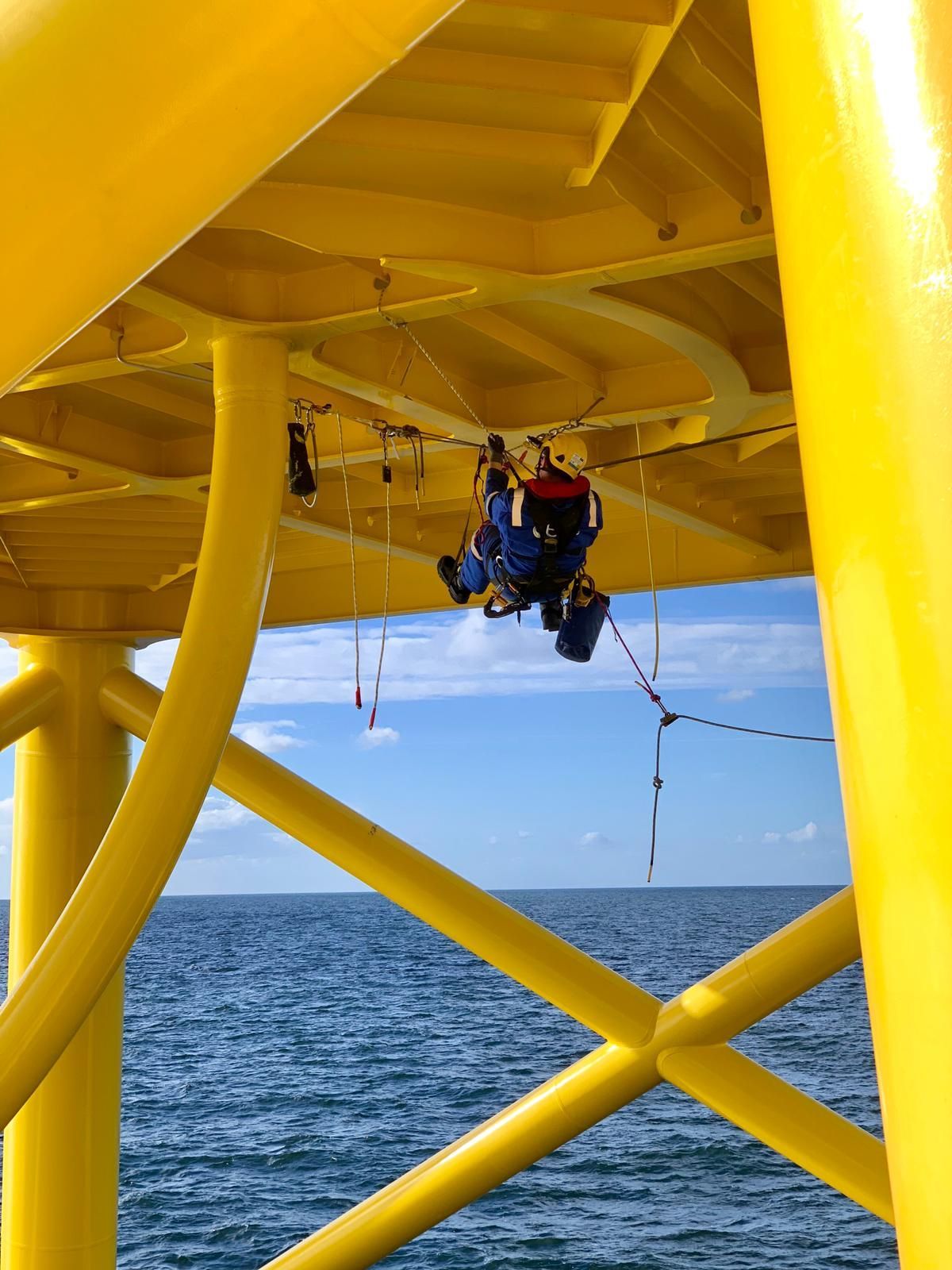
The benefits depend on the coating system selected and how it is prepared, applied and maintained. Coastal atmospheric exposure and continuous immersion create different demands. Dangle can help assess the asset, plan surface preparation and apply coatings to the project specification.
Depending on the product and application, marine coatings can provide:
• Corrosion Protection: Helps reduce rust and metal deterioration.
• Fouling Resistance: Reduces the build-up of marine organisms like algae and barnacles.
• UV Resistance: Protects against sun damage and fading.
• Improved Aesthetics: Keeps vessels looking clean and professional.
• Enhanced Durability: Withstands harsh marine environments.
Antifouling Marine Paint: Keeping Your Hull Clean
One of the most important types of marine paint is antifouling paint. This specialised coating is applied to the bottom of boats and ships to prevent marine growth such as barnacles, algae, and molluscs.
How Does Antifouling Paint Work
Biocidal antifouling paints release active ingredients into the water near the hull to discourage marine growth. Keeping the hull clean can reduce drag. Biocide-free foul-release coatings work differently, using a surface that makes fouling less able to adhere.
Types of Antifouling Paint
There are several types of antifouling coatings, including:
1. Hard Antifouling Paint
• Often chosen for faster boats and hulls that need an abrasion-resistant finish.
• Provides a tough, long-lasting coating.
• Match the product to the hull material, operating profile and launch schedule.
2. Self-Polishing Antifouling Paint
• Gradually wears away, revealing fresh biocide.
• Follow the product’s drying, recoating and immersion limits before launch.
• Select a product suited to how often the vessel operates and remains afloat.
• Offers consistent antifouling protection.
3. Copper-Free Antifouling Paint
• Check the manufacturer’s technical, safety and environmental guidance before selection.
• For aluminium hulls, use only a coating system specifically recommended by the manufacturer, including the correct primer.
Marine Paint for Ships: Heavy-Duty Protection
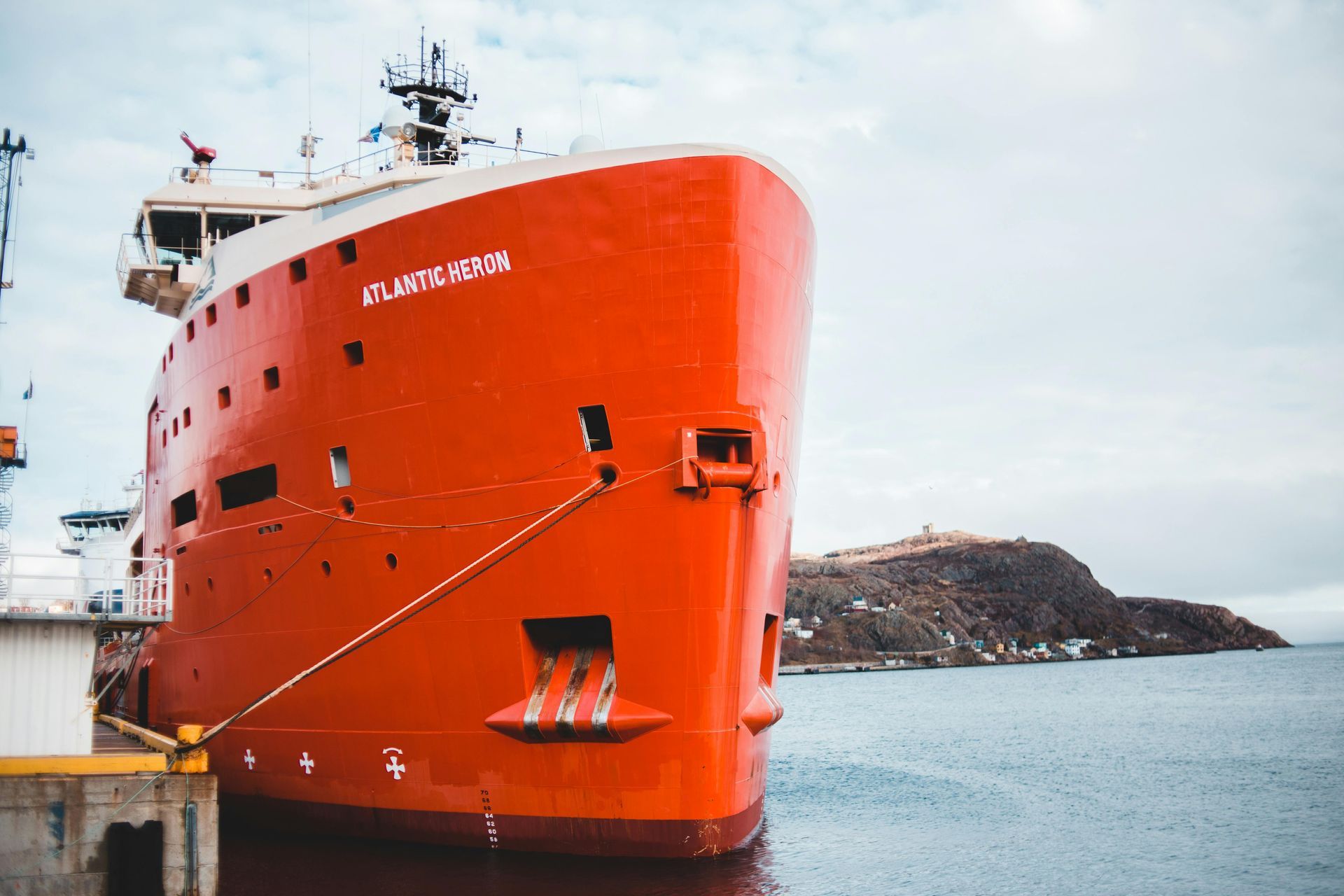
Larger vessels such as cargo ships, tankers, and cruise liners require specialised marine coatings to withstand the rigours of long voyages and the extreme oceanic conditions they encounter. These coatings are essential not only for protecting the vessels from harsh elements like saltwater, UV radiation, and heavy storms but also for enhancing their durability and operational efficiency. Over time, the relentless exposure to the ocean's forces can lead to corrosion and wear, making high-quality marine coatings crucial for maintaining the integrity and performance of these massive ships. Ensuring that they are properly coated helps to extend their lifespan and reduce maintenance costs, providing a reliable solution for marine operators.
Types of Marine Paint for Ships
1. Epoxy Marine Paint
• Provides excellent corrosion resistance and adhesion to steel.
• Commonly used on ship hulls and submerged areas.
• Durable and long-lasting.
2. Polyurethane Marine Paint
• High-gloss, UV-resistant finish.
• Used for both interior and exterior applications.
• Provides a hard, protective surface with good chemical resistance.
3. Anti-Corrosion Marine Coatings
• Essential for steel-hulled ships.
• Mitigates oxidation and metal deterioration.
Planned surface preparation, coating application and maintenance help protect marine assets. Dangle can support your project with coating preparation and application to the agreed specification.
How to Choose the Right Marine Paint
Start with the hull or structure material, the area being coated and whether it will be continuously immersed or exposed above the waterline. Consider water type, local fouling conditions, vessel speed, frequency of use and the existing coating. Check compatibility, preparation requirements, film thickness and maintenance intervals with the coating manufacturer before selecting a system.
Plan coating maintenance around the vessel’s service and survey schedule. Confirm survey requirements with the vessel’s flag administration and classification society. Lloyd’s Register provides marine classification and certification services; it is not an insurer. Dangle can help plan coating preparation and application for your project.
Trusted Global Brands of Marine paints
Several leading brands manufacture high-quality marine paint for boats, ships, and offshore structures. Here are some of the top brands of marine paint known for durability, protection, and performance:
1. International (AkzoNobel)
International Marine Paints (by AkzoNobel) is one of the most trusted names in the industry. Their products are widely used in commercial shipping, yachting, and offshore structures.
Example product ranges and brands:
• Intersleek – A range of biocide-free foul-release coatings for underwater hulls.
• Interlux – Yacht paints for leisure boats.
• Intershield – High-performance anti-corrosion coatings for ships.
• Interthane - High performance polyurethane with excellent UV resistance.
Best for: Commercial vessels, marine assets and where high-performance coatings are required.
2. Jotun
Jotun is another leading global brand specialising in marine coatings for extreme environments. Their products provide corrosion protection, antifouling properties, and high durability.
Popular Products:
• Jotun SeaForce – Self-polishing antifouling paint for extended hull protection.
• Jotun Hardtop – A durable polyurethane topcoat for marine applications.
• Jotamastic 90 – High-performance epoxy primer for steel and aluminium boats.
Best for: Heavy-duty marine applications and long-term protection.
3. Hempel
Hempel is a well-known marine coating specialist, offering a wide range of antifouling, protective, and decorative coatings for ships and boats.
Popular Products:
• Hempel Silic One – A biocide-free fouling release coating.
• Hempel Globic – Self-polishing antifouling paint for fuel efficiency.
• Hempadur – An epoxy coating range; check the chosen product’s intended use.
• Hempathane – A polyurethane topcoat range; check the chosen product’s suitability.
Best for: Marine and industrial coating projects, with products selected for the specified service conditions.
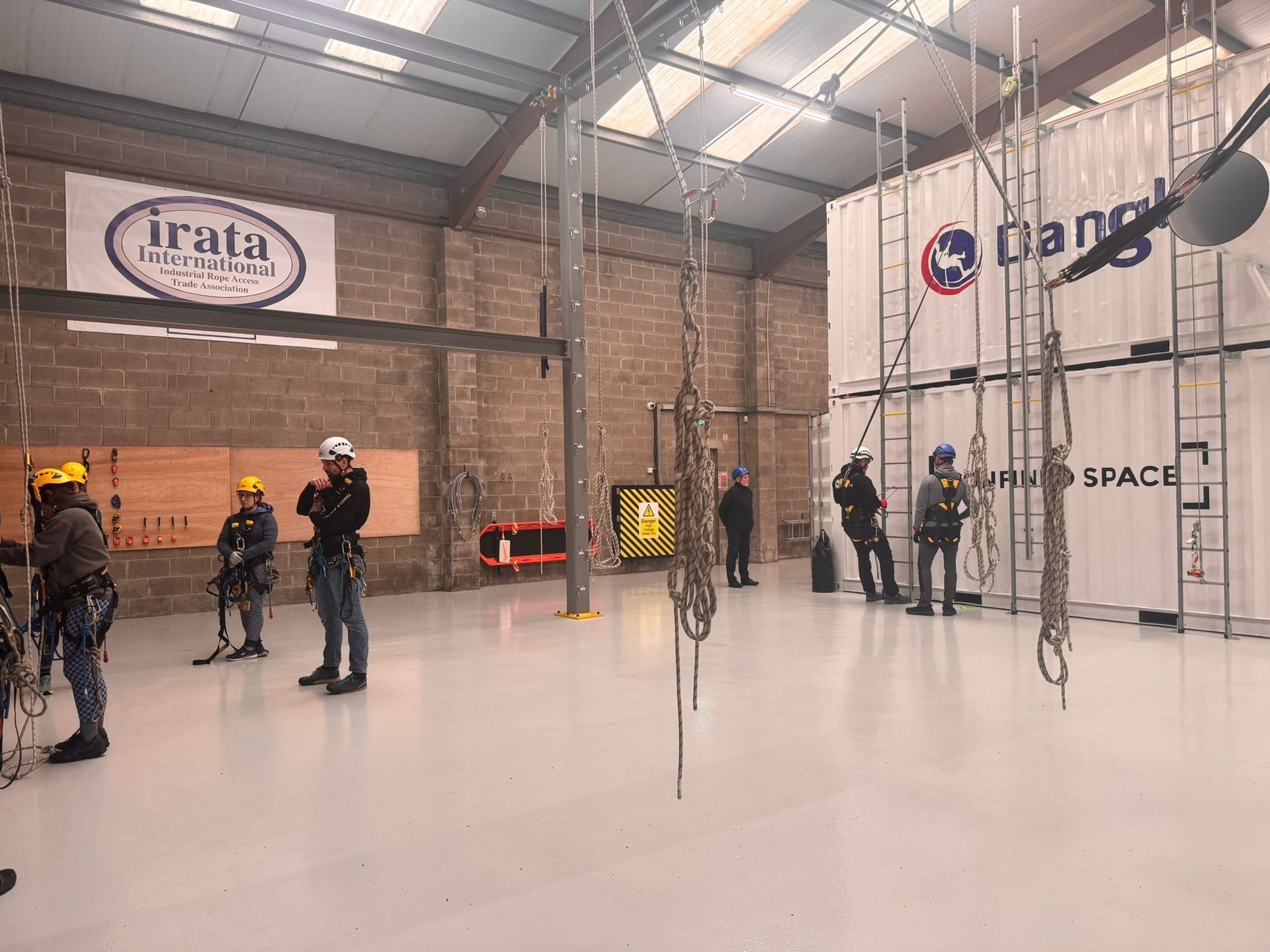
At Dangle, our industrial painting team and coating supervisors support marine coating projects. We also provide marine coating applicator training and industrial painter training courses for practical skill development.
Why Choose Dangle
Here at Dangle, we pride ourselves on offering a wide range of professional and comprehensive inspection, access, coatings, and composite (IACC) industrial services and training courses to cater to the needs of both the private and public sectors. Our dedication to providing high-quality work at height solutions and training has helped us establish a strong reputation in the industry.
With a team of highly skilled and experienced professionals, we are committed to delivering exceptional results that not only meet but exceed our clients' expectations. Our on-site working at height services are designed to minimise maintenance costs in the long and short-term, allowing our clients to save on valuable resources.
Based in Belfast, Northern Ireland, Dangle supports industrial maintenance and training needs across Northern Ireland, Ireland and the wider United Kingdom. Contact our team to discuss your location and project requirements.
If you would like to learn more about how our dedicated team can help you, we encourage you to get in touch with us today. Our friendly and professional staff are always available to provide you with the information and support you require.
Contact us now to discover the Dangle difference and let us be your trusted partner in meeting your industrial service and training needs today.
Marine Paint Frequently Asked Questions (FAQs)
How Long Does Marine Paint Take to Dry?
Marine paint has no single drying or curing time. Check the current Technical Data Sheet for the exact product and the conditions in which it will be applied.
Touch-dry, recoating, full cure and readiness for immersion are different stages. Follow the stated temperature range, film thickness and minimum and maximum intervals.
For antifouling, follow the manufacturer’s launch window. Do not assume every product is ready after 24 hours, or that touch-dry paint is ready to enter the water.
Is Marine Paint Oil-Based?
Some marine finishes are traditional oil-based or alkyd enamels, but marine paint is not a single formulation. The range also includes epoxy and polyurethane coating systems.
Choose a product for the substrate, exposure and intended use. Check its Technical Data Sheet for compatibility, application and drying requirements, and its Safety Data Sheet for handling guidance. The label “marine paint” alone does not establish durability or environmental performance.
How do I remove old marine paint?
The method depends on the existing coating, its condition and the substrate. Use the coating manufacturer’s removal guidance to choose a compatible stripper, wet-sanding method or professional blasting process.
Do not dry-sand antifouling paint. Follow the product’s safety guidance, use appropriate protective equipment and contain paint debris and wash water. For larger or uncertain jobs, seek professional advice before starting.
Dangle can help you assess surface preparation and coating application for a marine maintenance project.
Paints and Coatings for Marine
Contact Us
We'd Love a Share...
Recent Blog Posts