Intumescent Paint
Intumescent Paint: Fire Protection, Compliance and Competence in Modern Construction
Fire safety within modern construction is engineered — not assumed. Structural fire protection must be specified, installed and verified with precision. Among the most critical elements of passive fire protection (PFP) in steel-framed buildings is intumescent painting.
Across the UK and Northern Ireland, intumescent paint is widely used to protect structural steel in commercial, industrial and infrastructure projects. When correctly designed and applied, it preserves load-bearing capacity during a fire, allowing safe evacuation and emergency response while reducing the risk of structural collapse.
For designers, principal contractors, coating applicators and duty holders, understanding the science, specification and compliance framework surrounding intumescent paint is essential.
What Is Intumescent Paint?
Intumescent paint is a reactive fire protection coating applied to structural steel. Under normal service conditions, it resembles conventional decorative paint. However, when exposed to elevated temperatures during a fire, it expands dramatically — often up to 50 times its original thickness — forming a thick insulating char.
Steel is non-combustible, but it rapidly loses strength as temperature increases. At approximately 550°C, structural steel can lose around half of its load-bearing capacity. The insulating layer created by intumescent paint delays this temperature rise, maintaining structural stability for a defined period — typically 30, 60, 90 or 120 minutes, depending on the fire strategy.
The Science Behind Intumescent Paint
The expansion of intumescent paint results from a controlled chemical reaction involving an acid source, carbon source and blowing agent. When exposed to heat, the coating softens and reacts to form a stable carbonaceous char layer that insulates the underlying steel.
The performance of intumescent paint systems is verified through standardised fire resistance testing, including methods set out in BS EN 13381 for structural members. These tests assess how protected steel behaves under controlled fire exposure and determine the duration for which load-bearing capacity is maintained.
Within broader fire risk management, guidance from the Health and Safety Executive distinguishes between active and passive fire protection systems. Passive measures — including reactive coatings — are designed to delay heat transfer to structural elements, helping to preserve stability during fire events.
Understanding Section Factor (Hp/A) and Fire Design
Correct specification of intumescent paint depends on understanding section factor (Hp/A).
Hp = heated perimeter
A = cross-sectional area
Higher Hp/A ratios result in faster temperature rise during a fire. Slender steel sections therefore require thicker applications of intumescent paint than heavier members to achieve equivalent fire resistance periods.
Why this happens
Hp (heated perimeter) = the exposed surface area receiving heat
A (cross-sectional area) = the steel mass available to absorb heat
The section factor is essentially: Surface area exposed to fire ÷ Steel mass available to absorb heat
- A high ratio means:
- Lots of surface exposed
- Not much steel mass
- Rapid temperature rise
- A low ratio means:
- Less exposed surface relative to mass
- Slower heating
- Better inherent fire performance
Fire engineers also consider load ratio, critical temperature and required resistance duration when determining dry film thickness.
Manufacturer data tables must be followed precisely. Approximation is not acceptable in fire protection systems.
Regulatory Context in the UK and Northern Ireland
Fire resistance requirements are defined within the Building Regulations framework. In Northern Ireland, the Building Regulations (Northern Ireland) 2012 establish statutory fire safety obligations, supported by Technical Booklet E – Fire Safety, which outlines the functional requirements for structural fire resistance.
Within a building’s approved fire strategy, intumescent paint forms part of a wider passive fire protection system that includes compartmentation, fire stopping and structural performance design.
Building Control authorities may require evidence confirming that installed intumescent paint systems meet the specified performance criteria. This typically includes documented film thickness readings, approved product certification and inspection records.
Intumescent Paint in Northern Ireland’s Industrial and Construction Landscape
Northern Ireland’s construction and industrial sectors present a distinct profile of fire protection requirements. From commercial developments in Belfast and Derry/Londonderry to industrial facilities across Mid Ulster and the North West, structural steel remains a dominant building material.
As a result, intumescent paint is widely specified across:
- Commercial office developments
- Retail and hospitality projects
- Logistics and warehousing facilities
- Education and healthcare buildings
- Agricultural steel structures
- Manufacturing and processing plants
- Energy and renewables infrastructure
Increased scrutiny of passive fire protection systems has led to greater emphasis on inspection, documentation and competence. Principal contractors operating in Northern Ireland are expected to demonstrate that intumescent paint has been applied in accordance with manufacturer specification and recorded appropriately.
For steel fabricators and structural contractors, early engagement with competent intumescent paint applicators reduces programme risk and supports smoother Building Control approval.
Equally, for industrial coating professionals seeking to expand into fire protection work, understanding thin and thick film systems is essential. The application of intumescent paint requires specialist knowledge beyond decorative or corrosion-only coatings. Structured industrial painting certification programmes, such as those outlined within Dangle Academy’s Industrial Painter Training programme, provide a recognised route to developing the competence required to deliver safety-critical fire protection systems in accordance with manufacturer specification and regulatory expectations.
Specification and Application Requirements
The performance of intumescent paint depends entirely on correct application.
Steel substrates must be appropriately prepared and primed. Environmental conditions — including temperature, humidity and dew point — must be controlled to ensure proper curing and adhesion.
Wet and dry film thickness measurements are critical. Under-application or over-thinning of intumescent paint presents serious compliance risk, as performance is directly linked to achieved film build.
Thin Film vs Thick Film Intumescent Systems
Not all intumescent paint systems are the same. They are broadly categorised into thin film and thick film systems.
Thin Film Intumescent Paint
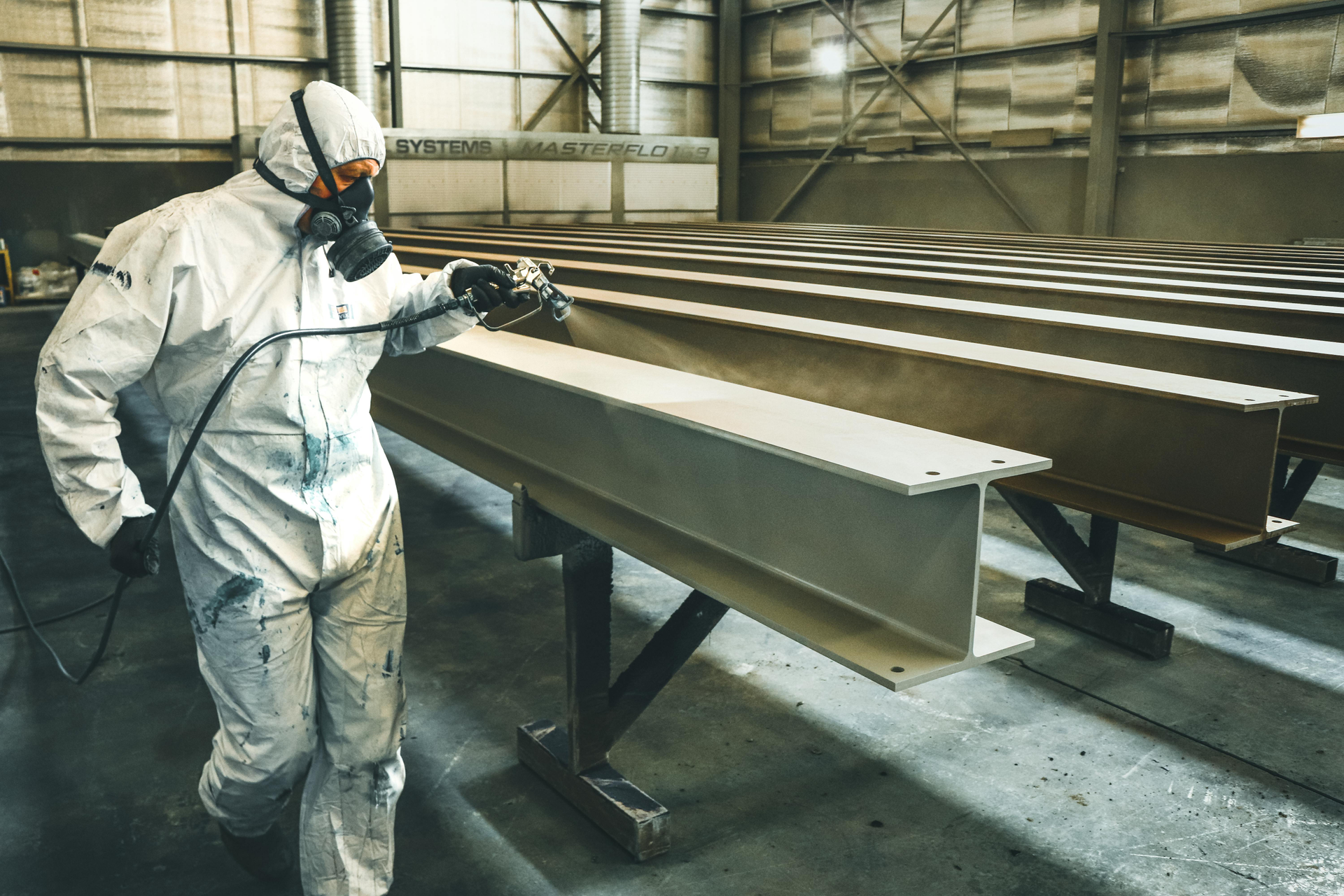
Thin film intumescent paint is typically specified for cellulosic fire scenarios in commercial buildings. It provides a smooth finish and is commonly used in offices, retail and residential developments where exposed structural steel forms part of the architectural design.
Thick Film Intumescent Paint
Thick film intumescent paint systems are usually epoxy-based and designed for hydrocarbon fire scenarios such as oil, gas and heavy industrial facilities. These fires develop more rapidly and reach higher temperatures than standard cellulosic fire curves.
Thick film systems offer enhanced durability, chemical resistance and environmental resilience. Correct selection between thin and thick film intumescent paint is fundamental to achieving the required fire performance in the intended environment.
Application, Retrofit and Maintenance in Existing Structures
While intumescent paint is commonly specified during new construction, a significant proportion of fire protection work across Northern Ireland involves existing structures.
Commercial buildings, industrial facilities and infrastructure assets frequently require:
- Upgraded fire resistance periods following design reassessment
- Remedial works due to impact damage
- Extension projects tying into existing steel frames
- Correction of under-applied systems
- Ongoing maintenance of ageing fire protection coatings
In these scenarios, intumescent paint must be applied, repaired or upgraded after the steelwork is already installed and operational.
Structural steel may be positioned within high atriums, above live production lines, across logistics environments or within restricted industrial zones.
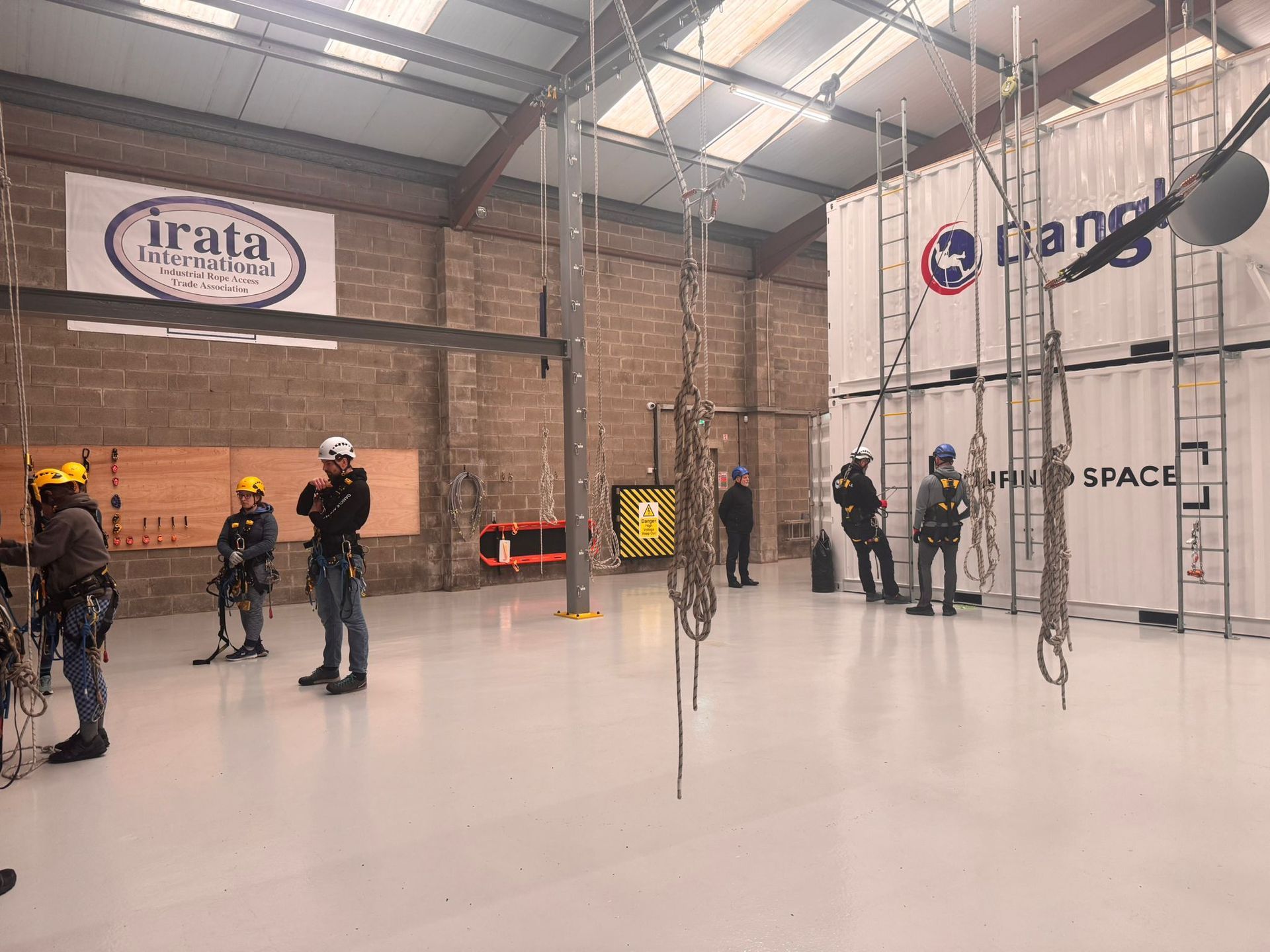
Where traditional access systems would introduce excessive disruption, rope access techniques delivered by IRATA-qualified technicians provide a controlled and efficient method of inspecting, repairing or applying intumescent paint at height.
Crucially, the application of intumescent paint in these conditions is a safety-critical activity requiring structured coating competence and safe access procedures.
Inspection, Certification and Audit
Inspection of intumescent paint systems is not a procedural afterthought; it forms part of the building’s evidential fire strategy.
Because performance is directly linked to achieved dry film thickness and substrate preparation, inspection must verify that the installed system matches the approved specification. This typically involves measured confirmation of film build, visual assessment for defects, and validation that environmental conditions during application were within acceptable limits.
On larger or higher-risk projects, independent verification may be required to confirm that intumescent paint has been applied in accordance with manufacturer data and the approved fire resistance design. Documentation often forms part of the handover package to Building Control, insurers or asset owners.
Importantly, inspection records provide traceability. In the event of refurbishment, extension or regulatory review, the ability to demonstrate that intumescent paint was installed competently and in accordance with specification significantly reduces risk exposure.
For contractors and duty holders alike, structured quality assurance is not merely administrative — it is integral to defensible compliance.
Risk, Remediation and Lifecycle Compliance
The performance of intumescent paint is directly linked to the quality of its specification, application and ongoing management. Where standards are not maintained, risk exposure increases significantly.
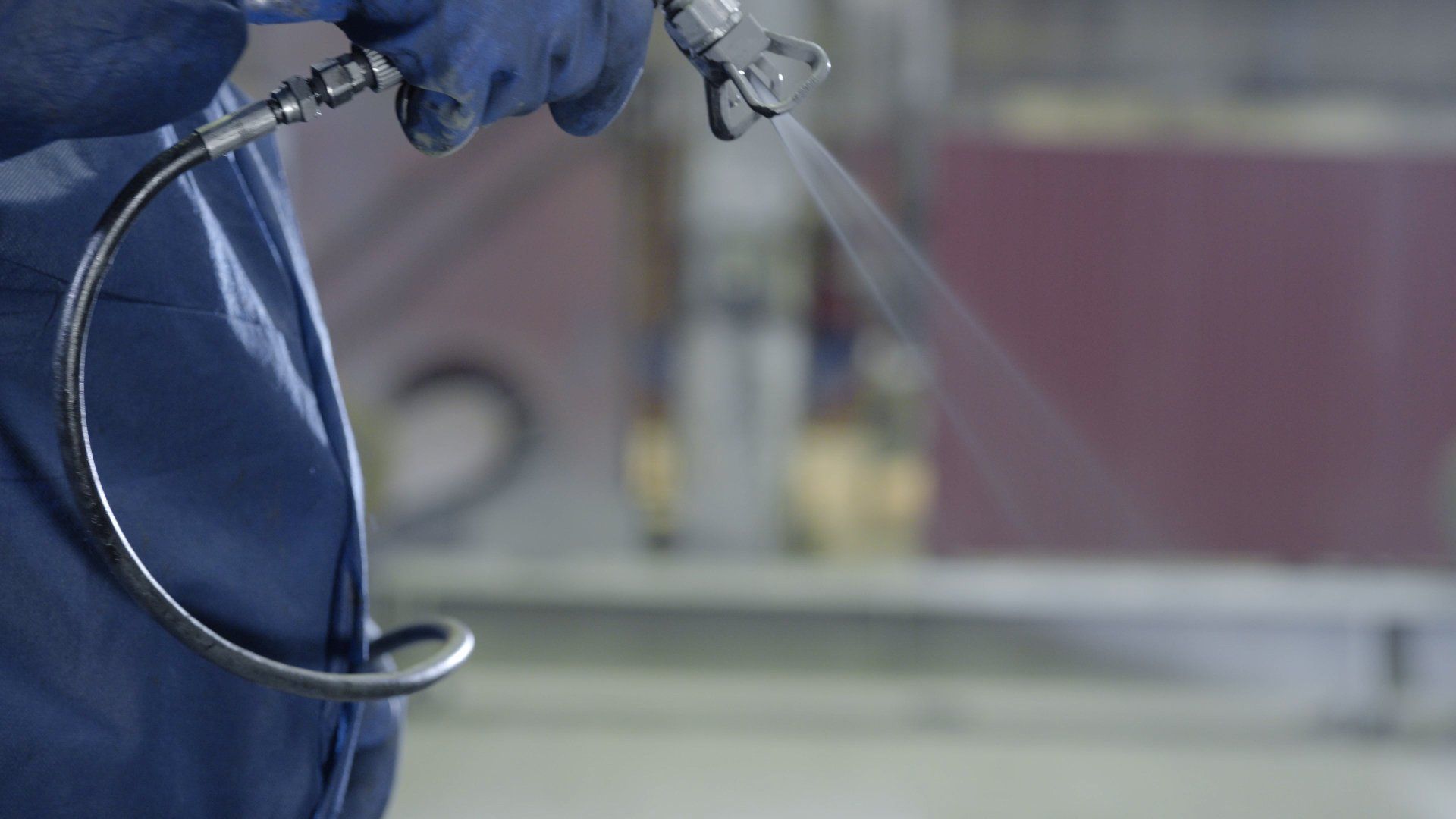
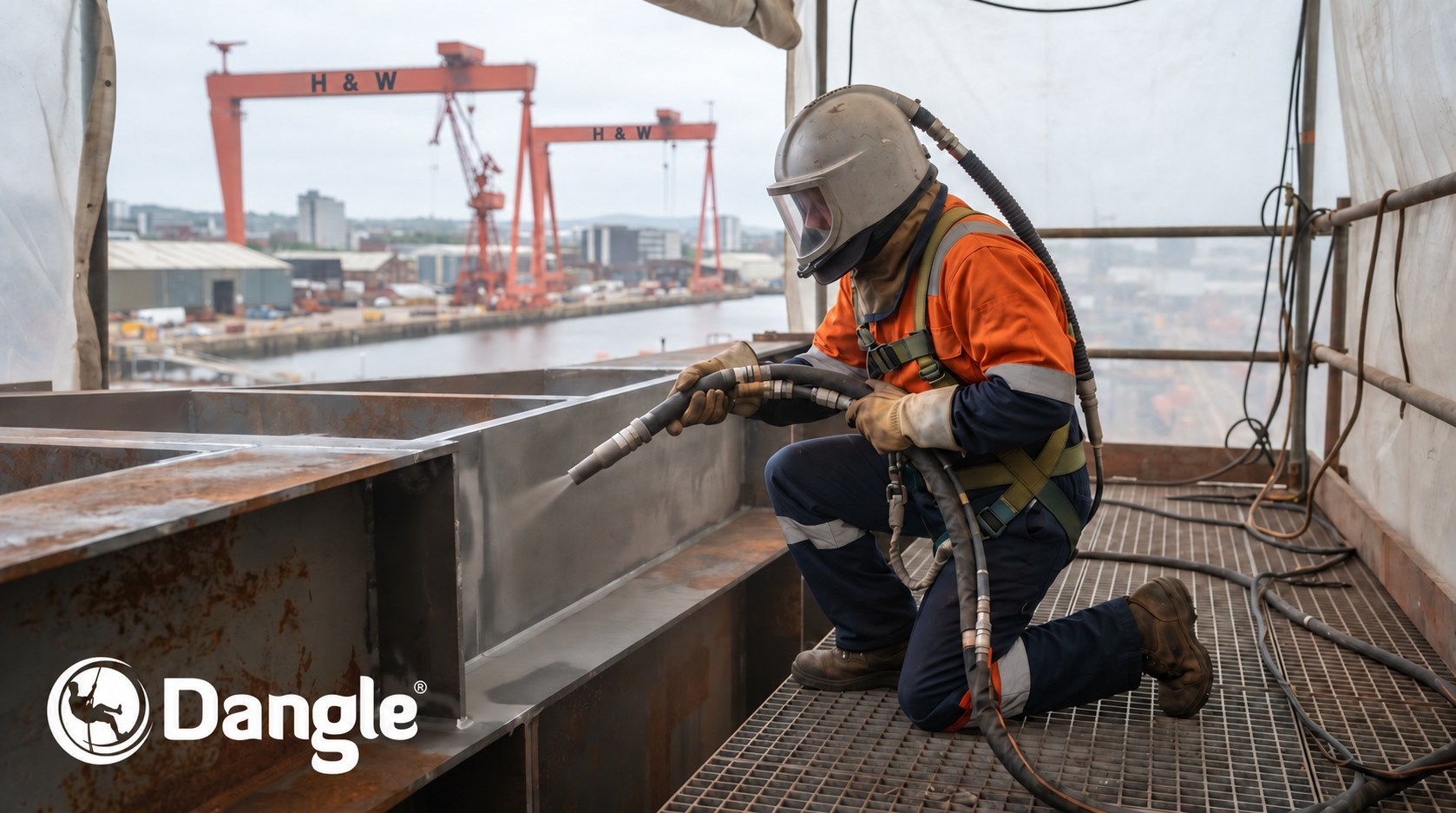
Common failures in the installation of intumescent paint include insufficient dry film thickness, over-thinning during spray application, incompatible primer systems, or application outside permitted environmental conditions. While such deficiencies may not be immediately visible, they can materially affect fire resistance performance.
In the event of a fire investigation or regulatory review, installed intumescent paint systems may be examined to determine whether they were applied in accordance with the approved fire strategy. Inadequate records, inconsistent thickness readings or undocumented remedial works can create contractual and compliance risk for contractors and duty holders alike.
Beyond initial installation, lifecycle management is equally important. Structural steel within operational environments may be subject to impact damage, moisture exposure, vibration, UV degradation or industrial contaminants. Over time, these factors can compromise the integrity of intumescent paint systems if not monitored and maintained.
Routine inspection, documented repair procedures and adherence to manufacturer guidance are essential to preserving certified performance. Where remedial works are required, they must be carried out with the same level of competence and verification as the original installation.
For asset owners and principal contractors, treating intumescent paint as a managed safety system — rather than a one-off installation activity — ensures continued compliance and reduces long-term risk.
FAQ's
What does intumescent paint do in a fire?
Intumescent paint expands when exposed to high temperatures, forming an insulating char layer that slows heat transfer to structural steel. This helps maintain load-bearing capacity for a defined fire resistance period in accordance with the building’s approved fire strategy.
What is the difference between thin and thick film intumescent paint?
Thin film intumescent paint is typically used in commercial buildings designed around cellulosic fire scenarios. Thick film intumescent paint systems are generally epoxy-based and designed for hydrocarbon fire environments such as energy and heavy industrial facilities, where fires develop more rapidly and reach higher peak temperatures.
How is intumescent paint thickness determined?
The required thickness of intumescent paint is calculated using the steel section factor (Hp/A), load ratio and the required fire resistance period. Manufacturer data tables are used to determine the exact dry film thickness necessary to achieve compliance.
Can intumescent paint be applied to existing buildings?
Yes. Intumescent paint can be applied, repaired or upgraded in existing structures, including retrofit projects and remedial works where steelwork is already installed. In certain environments, safe access planning is required to carry out this work effectively.
Does intumescent paint require inspection and maintenance?
Yes. Intumescent paint systems should be inspected to confirm correct film thickness, adhesion and overall condition. Over time, impact damage or environmental exposure may require documented remedial works to maintain compliance with the building’s fire strategy.
Why Choose Dangle’s Academy?
Here at Dangle, we pride ourselves on offering a wide range of professional and comprehensive inspection, access, coatings, and composite (IACC) industrial services and training courses to cater to the needs of both the private and public sectors. Our dedication to providing high-quality work at height solutions and training has helped us establish a strong reputation in the industry.
With a team of highly skilled and experienced professionals, we are committed to delivering exceptional results that not only meet but exceed our clients' expectations. Our on-site working at height services are designed to minimise maintenance costs in the long and short-term, allowing our clients to save on valuable resources.
Located in Belfast, Northern Ireland, our headquarters serve as the centre of our operations across the Island of Ireland. However, we also have a Dangle office based in Scotland, ensuring that we can extend our services to a wider clientele across the United Kingdom. No matter where you are located, our team is always ready to assist you with your industrial maintenance or training needs.
If you would like to learn more about how our dedicated team can help you, we encourage you to get in touch with us today. Our friendly and professional staff are always available to provide you with the information and support you require.
Contact Us
We'd Love a Share...
Recent Blog Posts