Wind Turbine Maintenance
Wind Turbine Maintenance: The Definitive Guide to Safety and Efficiency
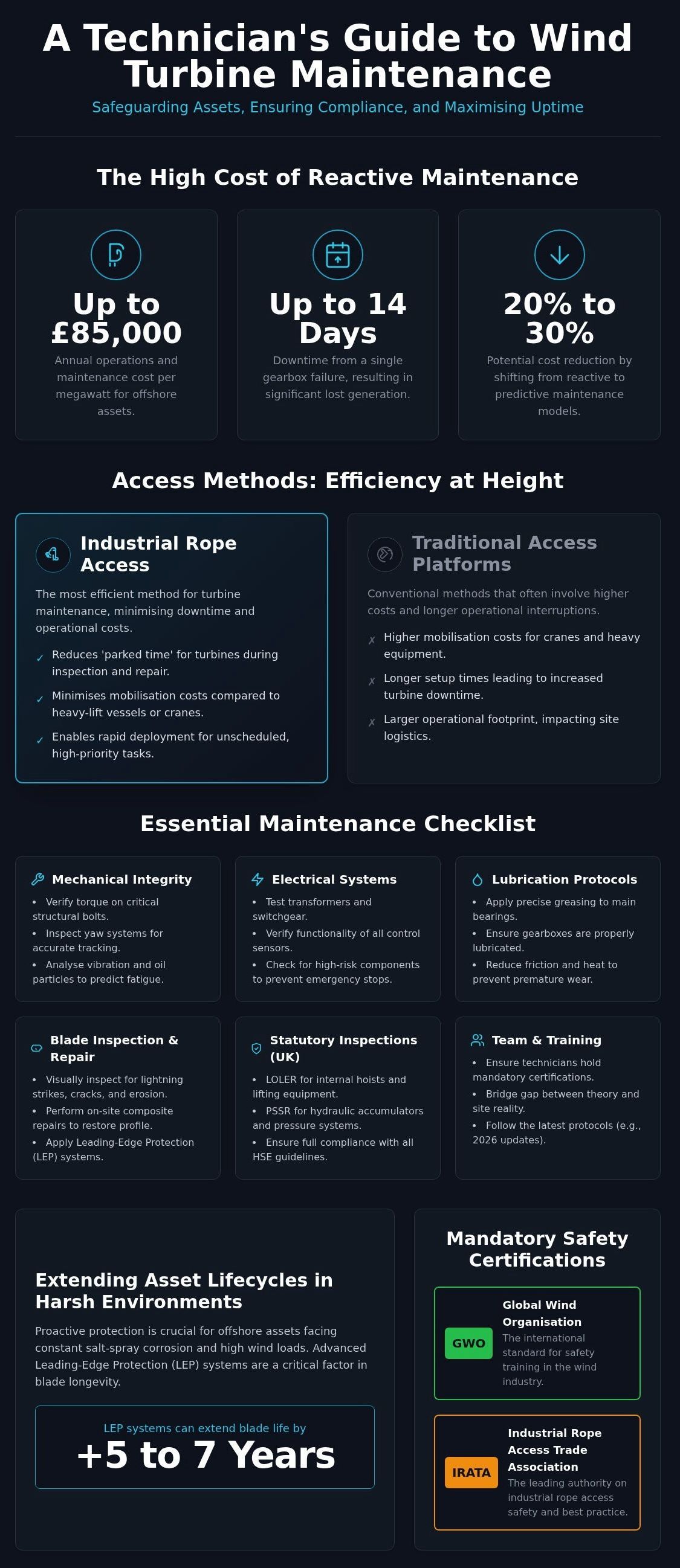
With offshore operations and maintenance costs now reaching up to £85,000 per megawatt annually, the financial penalty for reactive asset management is steeper than ever. A single gearbox failure can result in up to 14 days of downtime, costing hundreds of thousands in crane mobilisation and lost generation. For site managers across the UK, the pressure to maintain peak efficiency whilst navigating the physical risks of working at height is a constant operational reality.
You already know that a robust wind turbine maintenance strategy is the only way to safeguard your investment and ensure the safety of your teams. This guide provides the technical expertise and regulatory clarity required to keep your assets operational and fully compliant with the latest GWO and IRATA standards. We will explore the critical 2026 updates to training protocols, the practical advantages of rope access for blade repair, and how a proactive approach to inspection can reduce your long-term failure rates.
Key Takeaways
Understand how proactive wind turbine maintenance prevents leading-edge erosion and avoids the high commercial costs associated with unscheduled downtime.
Learn the essential mechanical and electrical inspection protocols required to ensure the long-term structural integrity and electrical safety of your assets.
Discover why industrial rope access is the most efficient method for reducing 'parked time' and minimising mobilisation costs compared to traditional access platforms.
Identify the mandatory GWO and IRATA safety certifications required for technicians to operate safely and remain compliant in offshore environments.
Recognise the advantage of training with experts who bring real-world site experience from major wind projects across the Irish Sea and the wider UK.
Table of Contents
The Commercial and Safety Impact of Wind Turbine Maintenance
Essential Maintenance Tasks: A Comprehensive Checklist
Access Methods: Why Rope Access Dominates Maintenance
Safety Standards and GWO Compliance Requirements
Partnering with Dangle: Expert Maintenance and Training in Belfast
The Commercial and Safety Impact of Wind Turbine Maintenance
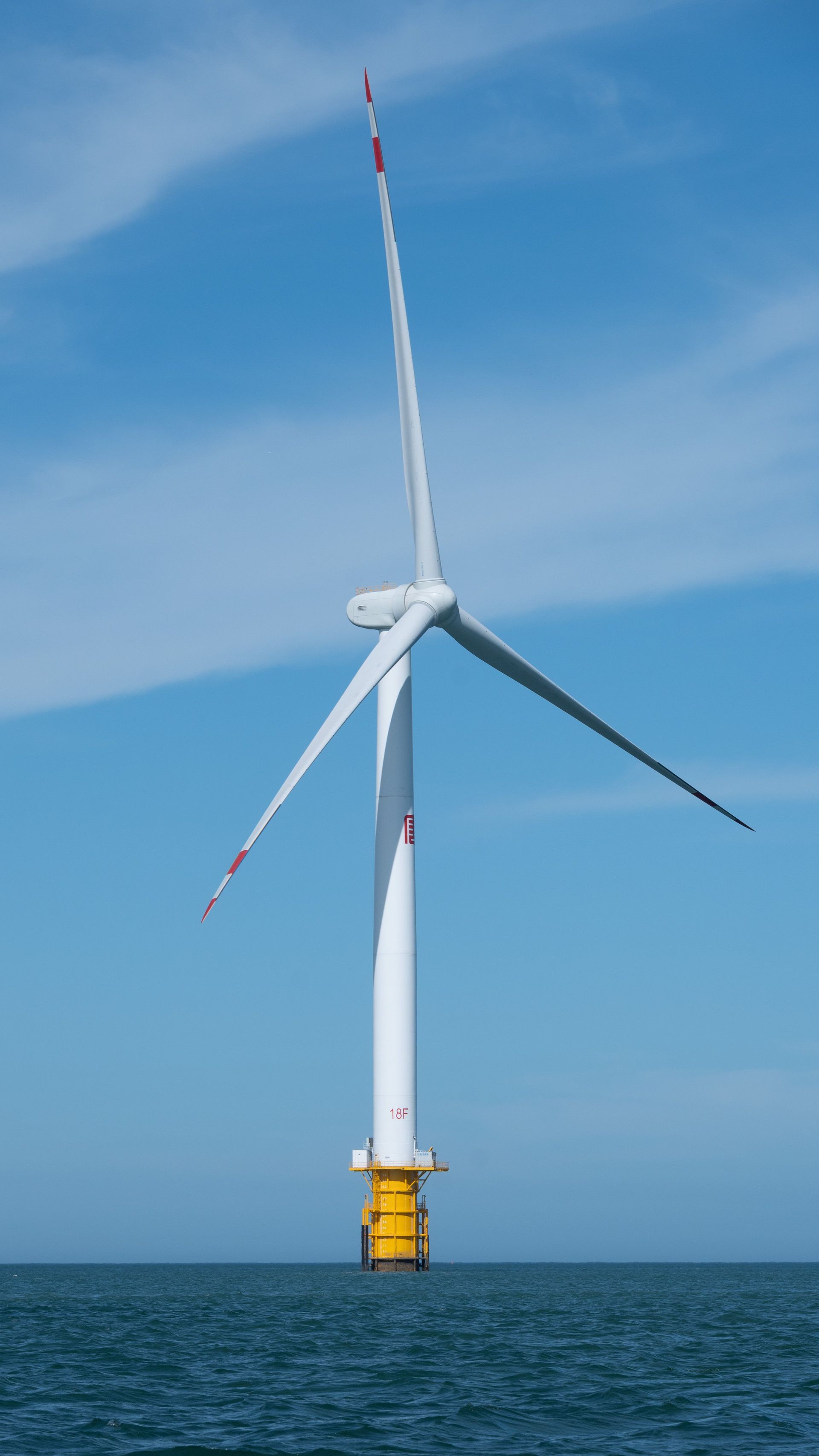
Wind turbine maintenance is essential for protecting performance, safety and long-term asset value. Turbines operate in harsh conditions and are exposed to constant mechanical stress, weather, corrosion and component wear, so regular maintenance is critical to reduce downtime and avoid major failures.
Within the wider wind power industry, this function has evolved from basic upkeep into a sophisticated technical requirement. Effective maintenance is the difference between a high-performing asset and a liability that drains capital through unscheduled downtime. Operators must ensure their teams are supported by professional site services to handle the technical complexities of modern turbines.
The financial consequences of neglect are substantial. Minor leading-edge erosion (LEE) can seem insignificant from the ground, but it disrupts the aerodynamic profile of the blade. This leads to a measurable drop in annual energy production. In the UK, site managers must navigate a strict regulatory landscape. Compliance with HSE guidelines and international GWO safety standards is the baseline for legal operation. We're seeing a decisive shift toward predictive maintenance. By using advanced inspection data and AI-driven monitoring, operators can reduce maintenance costs by 20% to 30% compared to traditional reactive models.
A strong wind turbine maintenance programme combines routine servicing, inspections, condition monitoring and targeted repairs. At Dangle, we support wind turbine inspection, maintenance and access requirements through our wind turbine maintenance services, UAV surveys and high-level maintenance capability across onshore and offshore environments.
At a glance: wind turbine maintenance includes mechanical, electrical, structural, blade and control-system checks. High-performing O&M programmes combine preventive servicing with predictive or condition-based monitoring to reduce unplanned downtime and protect major components. Most operators follow OEM schedules while adapting frequency to site conditions, turbine age and performance trends.
Preventing Catastrophic Failure and Downtime
Identifying early warning signs in gearboxes and electrical systems is vital for preventing long-term outages. Modern gearboxes have an annual failure rate of 0.7% to 1.0%. When they fail, they typically cause downtime of 7 to 14 days and involve high mobilisation costs for heavy-lift vessels or cranes. Technicians utilise vibration analysis and oil particle counting to predict component fatigue whilst the turbine remains operational. This data allows for planned component replacement. It avoids the total loss scenarios that occur when a catastrophic mechanical failure destroys the internal housing of the nacelle.
Extending Asset Life Cycles in Harsh Environments
Offshore assets across the Irish Sea are exposed to constant salt-spray corrosion and high-velocity wind loads. These harsh conditions accelerate the degradation of protective coatings and structural bolts. Leading-edge protection (LEP) systems, such as advanced polyurethane coatings, are now a critical factor in blade longevity. These systems can extend life cycles by 5 to 7 years. For legacy turbine technologies nearing the end of their original design life, regular structural surveys are non-negotiable. These inspections ensure the asset remains safe for continued generation or potential life-extension contracts.
Why Wind Turbine Maintenance Matters
Wind turbines are exposed to weather, vibration, fatigue loading and continuous operation throughout the year. Proper maintenance helps operators protect reliability, maximise output and reduce the likelihood of unplanned outages.
Regular wind turbine maintenance helps with:
- improving turbine performance and energy yield
- identifying issues before they become major failures
- extending the service life of key components
- protecting safety during operation and maintenance
- reducing lifecycle costs through planned intervention
Well-maintained turbines generate more consistently, remain safer to operate and are easier to manage over the long term.
What Wind Turbine Maintenance Includes
Effective wind turbine maintenance combines inspection, servicing, condition monitoring and repair planning. The exact scope depends on turbine model, age, environment and operational history, but core focus areas usually include blades, tower, drivetrain, electrical systems, braking systems and lightning protection.
Routine Wind Turbine Inspections
Regular inspections are the foundation of effective wind turbine maintenance. By carrying out visual and diagnostic inspections at planned intervals, operators can identify early signs of wear or damage before they lead to more serious faults.
Key areas to inspect include:
WTG Blades
Inspect for cracks, erosion, impact damage, lightning strike defects and leading edge wear. Even relatively small defects can affect aerodynamic performance and grow over time.
Where inspections identify cracks, erosion or impact damage, specialist wind turbine blade repair may be needed to restore performance and prevent further deterioration.
Where leading edge wear is identified, wind turbine LEP application can help protect blades against further erosion.
WTG Tower
Check for corrosion, coating breakdown, structural defects and access-system issues. Tower condition is important for both safety and long-term asset integrity.
Where corrosion or coating breakdown is found, specialist wind turbine coating repair may be required to help protect the asset and prevent further deterioration.
Electrical Systems
Inspect for overheating, damaged cabling, loose connections, moisture ingress and signs of wear in electrical cabinets and control systems.
Gearbox and Drive Train
Check for oil leaks, abnormal wear, alignment concerns, vibration issues and signs of overheating or contamination.
Braking System
Inspect the braking system to ensure the turbine can stop safely when required during shutdown, emergency response or maintenance.
Lightning Protection System
Inspect receptors, conductors and associated protection components to reduce the risk of blade or system damage following lightning strike events.
Inspection Methods and Tools
Wind turbine inspections may involve:
- UAV surveys for high-resolution blade and exterior imagery
- thermal imaging to detect hotspots in electrical or mechanical systems
- ultrasonic or other NDT methods to identify hidden defects
- endoscopes for internal inspection of confined or hard-to-reach components
Essential Maintenance Tasks: A Comprehensive Checklist
Effective wind turbine maintenance relies on a rigorous, multi-disciplinary checklist. It isn't just about fixing what's broken; it's about verifying every fastener, sensor, and seal to prevent the 14-day downtime scenarios mentioned previously. Mechanical integrity starts with verifying torque on critical structural bolts. Yaw systems must be inspected to ensure the turbine tracks the wind accurately, preventing uneven loading on the main shaft. Technicians following a Wind Technician Career Map will recognise that these mechanical and electrical tasks form the core of daily operations.
Electrical systems require meticulous testing of transformers, switchgears, and control sensors. These components are high-risk; a single sensor failure can trigger an emergency stop that stresses the entire drivetrain. Lubrication protocols are equally vital. Main bearings and gearboxes require precise greasing to reduce friction and heat. In the UK, statutory inspections are mandatory. This includes LOLER (Lifting Operations and Lifting Equipment Regulations) for internal hoists and PSSR (Pressure Systems Safety Regulations) for hydraulic accumulators. Ensuring your team is proficient in these tasks requires more than just a classroom overview. You can explore our accredited training programmes to bridge the gap between theory and site reality.
Blade Inspection and Composite Repair
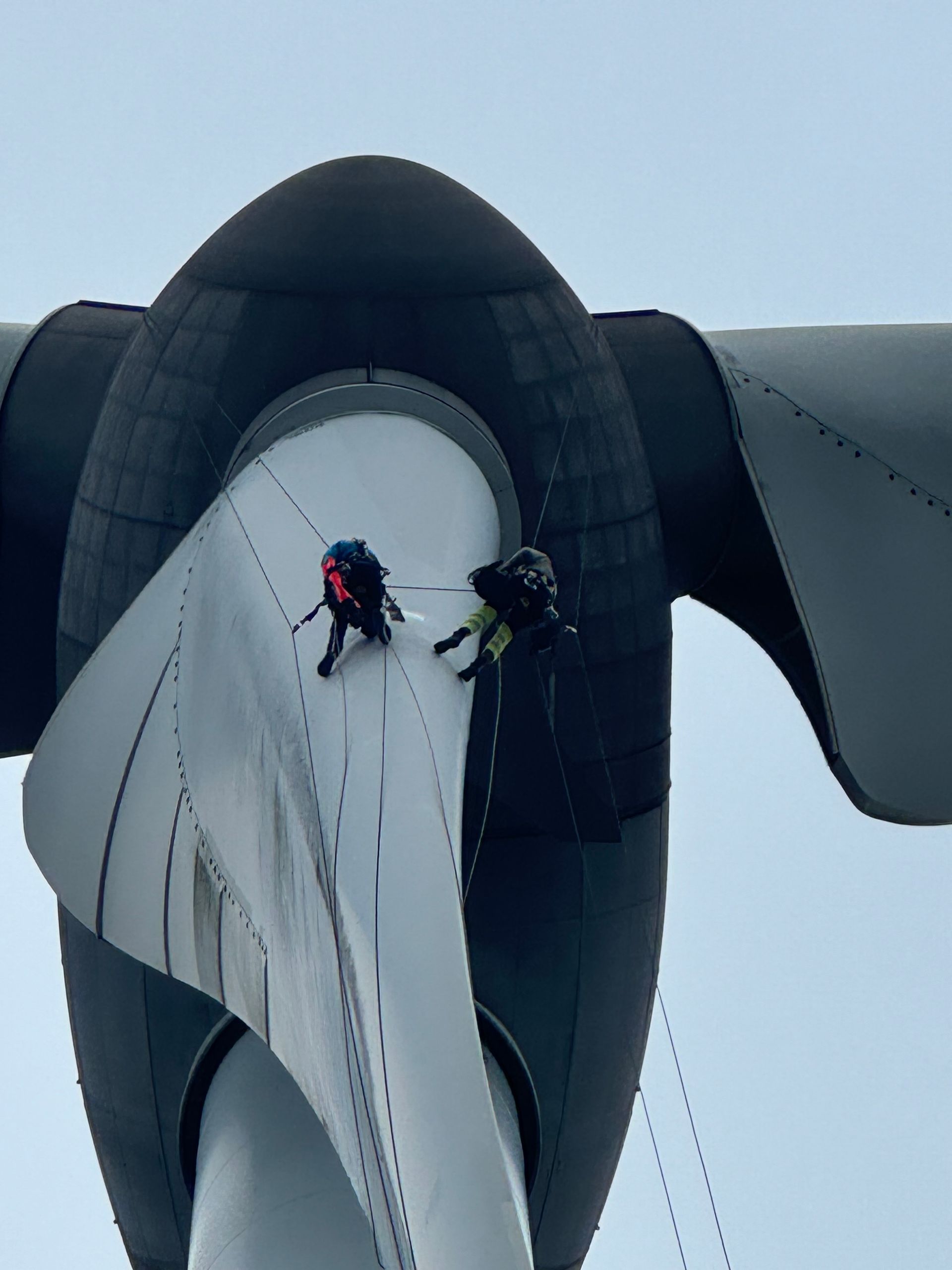
Visual inspections identify lightning strikes, cracks, and delamination early. Burn marks from lightning can compromise the structural integrity of the composite layers if left untreated. When damage is found, wind turbine blade composite repair is performed on-site to restore the structural profile. This involves technical processes such as grinding out damaged laminate and applying new glass-fibre layers. Addressing leading-edge erosion is a priority; applying specialised coatings restores the aerodynamic efficiency lost to environmental wear.
Nacelle and Tower Structural Integrity
The nacelle housing must be checked for cracks or oil leaks that could signal internal component failure or fire risks. Tower weld inspections and corrosion monitoring on transition pieces are essential, especially for assets in the Irish Sea. Internal safety systems are also a priority. Technicians must verify that internal ladders and fall arrest systems are certified fit for purpose. A failure in these systems doesn't just halt maintenance; it creates a life-critical safety breach that can shut down a site indefinitely.
Wind Turbine Maintenance Schedule
Most operators combine OEM guidance with site-led planning. As a general non-OEM guide, routine visual checks and SCADA review may be frequent, while torque checks, lubrication, blade inspections and major inspections are completed on planned cycles.
Maintenance frequency should always be adjusted based on:
- turbine age
- site conditions
- environmental exposure
- operational history
- component condition
- monitoring and performance trends
A structured annual major inspection is often used to confirm the condition of blades, drivetrain, yaw and pitch systems, electrical cabinets, tower integrity and associated safety systems.
Wind Turbine Maintenance Costs
Wind turbine O&M costs are influenced by access method, turbine age, site remoteness, component condition and the balance between planned and unplanned work. Offshore logistics, weather windows and corrosion exposure usually increase complexity and cost compared with onshore operations.
Key cost drivers include:
- access method and mobilisation requirements
- turbine age and component condition
- planned servicing versus reactive repairs
- offshore logistics and weather limitations
- blade condition, LEP condition and corrosion exposure
- major component class, such as gearbox, generator or drivetrain
Early detection through UAV surveys, oil analysis, vibration monitoring and wind turbine LEP planning can help reduce lifecycle spend and minimise major failures.
Access Methods: Why Rope Access Dominates Maintenance
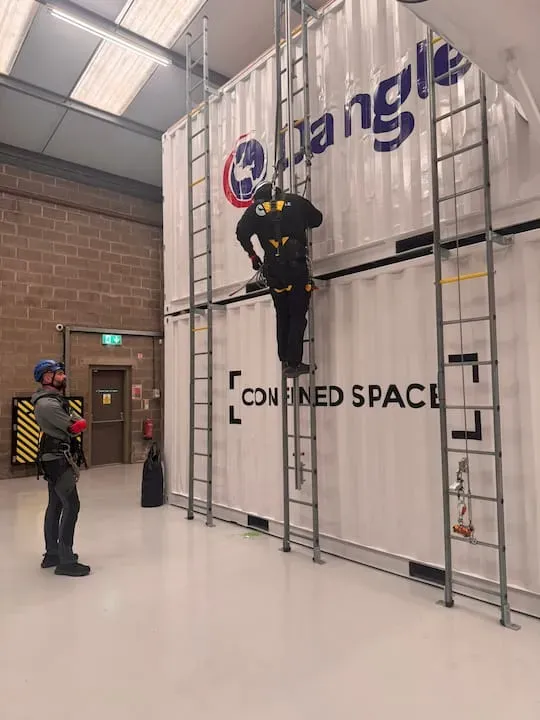
Industrial rope access has transformed the logistics of wind turbine maintenance by removing the need for heavy, ground-based machinery or permanent structures. Traditional methods like cherry pickers or suspended platforms are often restricted by ground conditions or nacelle height. In contrast, industrial abseiling allows technicians to deploy rapidly, significantly minimising 'parked time' for the asset. This agility is particularly crucial for offshore environments where weather windows are narrow and every hour of lost generation carries a high financial penalty. The versatility of rope systems also extends to internal work, providing safe entry for technicians into the confined spaces of the hub and nacelle.
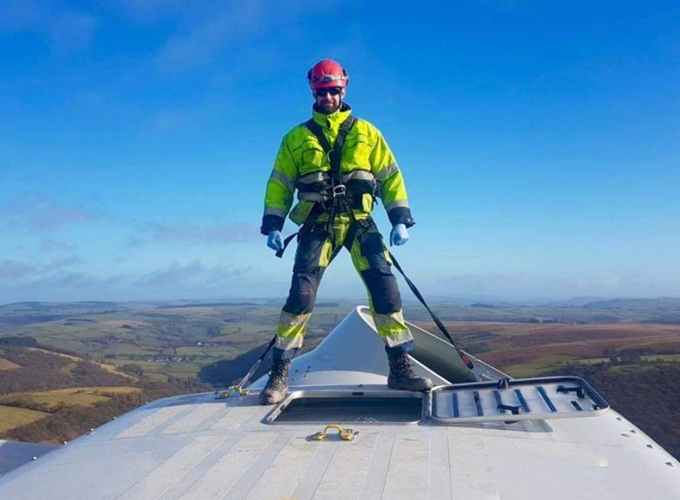
Safety is the primary driver for this methodology. IRATA-governed rope access is amongst the safest industrial methods in existence, backed by rigorous training and double-point attachment protocols. According to data regarding Wind Turbine Technicians, the ability to work safely at height is a fundamental requirement of the role, and rope access provides a controlled, audited framework for these high-stakes tasks. By reducing the number of personnel required on-site and the duration of the work, operators inherently lower the cumulative risk profile of their maintenance campaigns.
Rope Access vs Traditional Scaffolding
Scaffolding is a logistical nightmare for offshore wind farms. It requires significant deck space on support vessels. It adds substantial weight to the platform. It takes days to erect and dismantle. Rope access eliminates these hurdles entirely. A small team can carry all necessary equipment in a transit van or transfer boat. This streamlined approach typically offers a 40-60% saving on access costs. It allows budgets to be redirected toward higher-quality repairs and component upgrades rather than temporary structures.
The Role of Drone Inspections in Modern Maintenance
Drone technology now complements rope access by providing rapid thermal and high-definition visual surveys. These autonomous flights can identify delamination or lightning strikes across a whole fleet in a fraction of the time required for manual inspection. However, drones have clear limitations; they can't perform the actual composite repairs or mechanical adjustments. We integrate drone data into our broader safety consultancy services to create a tiered maintenance strategy. Drones identify the problem, whilst rope access technicians provide the hands-on solution.
Onshore vs Offshore Wind Turbine Maintenance
The principles of turbine maintenance are similar across all assets, but onshore and offshore environments create different operational priorities.
Onshore maintenance is usually more accessible and flexible. Road access, shorter response times and simpler logistics often make it easier to complete routine servicing and planned interventions.
Offshore maintenance is more dependent on vessel access, safe transfer conditions and narrow weather windows. Salt-laden air, humidity and exposure also accelerate corrosion and material degradation. Because access delays can be costly, offshore strategies often rely more heavily on predictive maintenance, remote monitoring and campaign-style planning.
A blended approach that combines scheduled servicing with data-led inspections is often the most effective way to protect both onshore and offshore turbine performance.
For operators looking for broader
renewable wind services support, this approach also improves planning across related wind energy assets.
Wind Turbine Blade Maintenance and Repair
Blades are exposed constantly to weather, erosion, dirt, debris and impact risk. Regular blade maintenance is essential for protecting both performance and long-term asset condition.
Typical blade maintenance tasks include:
- visual inspections
- leading edge assessment
- erosion and crack identification
- cleaning
- minor repair planning
- follow-up inspection after severe weather or strike events
Many operators now use
UAV surveys first, followed by
wind turbine blade repair only where close-up intervention is required.
Wind Turbine Cleaning and Dirt Removal
Routine wind turbine cleaning is often overlooked, but debris build-up can affect performance and condition over time. Blades, cooling systems and certain electrical areas may all require periodic cleaning depending on site exposure.
Common tasks include:
- blade surface cleaning where performance is affected
- cooling system cleaning
- removal of dirt or debris around sensitive components
- inspection of contamination risks during routine servicing
Wind Turbine Maintenance Checklist (Printable)
WTG ID: ________ Site: ________ Date: ________ Tech(s): ________
Weather OK: ☐ PTW/RAMS: ☐ LOTO: ☐ Rescue plan & kit confirmed: ☐
Safety & Access
☐ PPE / harness / lanyards checked
☐ Anchor points / ladders / platforms OK
☐ Lift (if fitted) operational
☐ Emergency comms / first aid / fire extinguisher OK
Tower & Foundation
☐ Tower interior condition OK (corrosion, damage, water ingress)
☐ Cable routes secure, no abrasion/overheating signs
☐ Base flange/bolts visual check
☐ Grout/drainage condition OK
Nacelle – General
☐ Housekeeping OK; guards in place
☐ Visual leak check (oil/grease/hydraulics)
☐ Unusual noise/vibration noted
Drivetrain & Mechanical
☐ Main bearing/shaft visual + temp/vibration trend review
☐ Gearbox oil level OK (if fitted)
☐ Filters/magnetic plugs checked (if due)
☐ Oil sample taken (if due)
☐ Generator cooling/temps OK
☐ Brake system functional check
Yaw & Pitch
☐ Yaw drives/bearing visual check
☐ Yaw brake function OK
☐ Pitch system function OK
☐ Backup power/accumulators OK (if fitted)
Electrical & Controls
☐ Panels/switchgear visual check (heat/arcing/corrosion)
☐ Terminations secure; earthing/bonding OK
☐ Sensors OK (temp/vibration/wind)
☐ SCADA alarms reviewed and actioned
Blades & Hub
☐ Blade external inspection complete
☐ Leading edge condition assessed
☐ Cracks/chips/delamination checked
☐ Root/hub area checked for leaks/corrosion
☐ Lightning Protection System: receptors intact; indicators/continuity checked (if due)
Condition Monitoring (if fitted)
☐ Vibration/temperature trends reviewed
☐ Thermography / NDT / drone follow-up scheduled if flagged
Close-Out
☐ Findings logged + photos taken
☐ Parts/actions required listed
☐ Tools accounted for; waste removed
☐ LOTO removed per procedure; turbine handed back
Notes/Actions:
Why Operators Outsource Wind Turbine Maintenance
Many wind farm owners and operators choose to outsource maintenance because specialist providers can deliver experience, access capability, inspection technology and flexible resourcing without the overhead of maintaining a full in-house team.
Outsourcing can help with:
- access to experienced turbine maintenance personnel
- reduced downtime through faster diagnosis and response
- safer high-level access for inspections and repairs
- access to UAV surveys, thermography and NDT support
- scalable servicing plans for different turbine fleets
- better reporting and maintenance documentation
If you need wind turbine maintenance support, specialist access for blade inspections or help planning high-level turbine works, view our wind turbine maintenance services.
Safety Standards and GWO Compliance Requirements
Compliance within the wind sector is governed by strict international benchmarks that ensure every technician is prepared for the physical realities of the nacelle. As of March 2026, the Global Wind Organisation (GWO) has updated eight primary training standards, including the Basic Safety Training (BST) and Advanced Rescue Training (ART) frameworks. These updates reflect the industry's drive toward higher safety margins in increasingly complex offshore environments. For any organisation managing wind turbine maintenance, ensuring staff hold valid, up-to-date certifications is a non-negotiable requirement for site access.
The pathway to full compliance follows a logical progression of technical and medical milestones. It begins with the foundational GWO BST, which provides the essential safety 'ticket' for turbine entry. Following this, technicians typically pursue IRATA certification to manage work at height and blade repair tasks effectively. High-risk offshore work necessitates the addition of Advanced Rescue Training (ART) and Enhanced First Aid (EFA). Beyond technical skills, technicians must maintain medical fitness through OEUK medicals and Chester Step testing to ensure they can meet the physical demands of climbing and rescue. Finally, all personal protective equipment (PPE) must undergo rigorous six-monthly inspections to remain compliant with UK safety regulations.
Essential GWO Training for Technicians
The GWO Basic Safety Training (BST) serves as the industry-standard entry requirement. This programme covers five core modules: Fire Awareness, First Aid, Manual Handling, Sea Survival, and Working at Height. Within the confined space of a nacelle, Fire Awareness and Manual Handling are critical. These modules teach technicians how to manage electrical fires and prevent musculoskeletal injuries whilst handling heavy components. Achieving this certification is the first step for any professional entering the field of wind turbine maintenance.
Advanced Rescue and First Aid Protocols
Standard safety training is often insufficient for the technical challenges of hub and blade rescues. This is where GWO Advanced Rescue Training (ART) becomes essential. It equips teams with the skills to evacuate casualties from the spinner or from within the blade itself. In remote offshore locations, medical help can be hours away. Technicians must be trained in GWO Enhanced First Aid (EFA) to stabilise patients during these critical windows. We develop site-specific rescue plans that integrate these advanced skills with the practical realities of your specific wind farm layout.
Ready to ensure your team meets the latest 2026 standards? Book your GWO and IRATA accredited training at our Belfast centre today to gain the practical skills required for offshore safety.
Partnering with Dangle: Expert Maintenance and Training in Belfast
Effective wind turbine maintenance requires a level of technical intuition that only comes from years of site-based experience. At Dangle, we occupy a unique position in the UK renewables sector by operating as both a specialist service provider and an accredited training academy. This duality ensures that our clients receive maintenance solutions informed by the latest field data, whilst our trainees learn from instructors who are active on major offshore projects across the Irish Sea. From our central hub in Belfast, we provide national coverage, supporting asset managers with bespoke maintenance strategies that account for the age and specific technology of their fleet.
We've designed our operations to bridge the gap between regulatory theory and industrial reality. By integrating our rope access inspection services with accredited GWO modules, we provide a holistic support structure for the wind industry. This approach doesn't just reduce asset failure rates; it builds a more resilient workforce capable of managing the physical and technical demands of modern turbine technology. Our commitment to integrity and transparency means we focus on long-term professional relationships rather than quick transactions.
The Advantage of Real-World Site Experience
Our trainers aren't just classroom educators; they're lead technicians and safety consultants who still operate on-site. This active involvement in industrial coatings and blade repair means our knowledge remains current with the evolving challenges of the maritime environment. We've a proven track record of delivering maintenance in the high-velocity wind conditions of the Irish Sea, where precision and speed are critical. This practical insight allows us to anticipate logistical hurdles that classroom-only providers often overlook, ensuring your maintenance schedules remain streamlined and cost-effective.
Bespoke GWO and IRATA Training at Dangle Academy
Our Belfast training centre is designed to replicate the technical realities technicians face in the field. We offer a unique IRATA rope access programme consisting of five days of intensive training followed by a day six assessment, providing a more comprehensive learning experience than standard accelerated courses. Small class sizes allow our instructors to focus on individual proficiency, ensuring every graduate meets our high standards for safety and technical skill. Whether you're an operator looking to upskill your workforce or a technician seeking professional advancement, you can discuss your turbine maintenance or training requirements with our team today.
To ensure your assets remain compliant and operational, the next step is a comprehensive review of your current maintenance protocols. Contact Dangle's Belfast office to arrange a technical consultation or to book your team into our next GWO or IRATA intake to secure your operational future.
Optimising Asset Performance and Technician Safety
Proactive wind turbine maintenance is no longer just a recommendation; it's a commercial necessity for operators looking to mitigate the high costs of offshore downtime. By integrating advanced access methods with a strict adherence to 2026 GWO standards, you can extend the life cycle of your assets whilst ensuring the highest level of safety for your teams. The transition from reactive repairs to a structured, data-driven maintenance schedule is the most effective way to safeguard long-term energy production.
As an IRATA and GWO accredited provider, we combine our training academy with real-world industrial experience to support projects across the Irish Sea and the wider UK. Our Belfast-based team ensures that technicians aren't just certified, but are truly proficient in the physical realities of the nacelle.
Book your GWO training or enquire about
wind turbine maintenance services with Dangle today to secure the efficiency and compliance of your wind operations. We're ready to help you lead the way in technical excellence and site safety.
Frequently Asked Questions
How often do wind turbines require scheduled maintenance?
Wind turbines typically undergo scheduled maintenance twice per year. A minor service usually occurs at the six-month mark, followed by a major annual inspection to ensure structural and mechanical integrity. These intervals allow technicians to replenish lubrication levels and address minor wear before it escalates into a component failure. Adhering to these schedules is vital for maintaining manufacturer warranties and ensuring the long-term operational efficiency of the asset.
What is the most common cause of wind turbine failure?
Electrical faults are the most frequent cause of turbine trips, though mechanical failures in the gearbox or generator result in the longest downtime. Whilst a sensor issue might be resolved in hours, a gearbox failure often takes 7 to 14 days to rectify due to the complex logistics of heavy lifting. Regular vibration analysis and oil sampling are essential tools used during wind turbine maintenance to detect these catastrophic issues before they occur.
Do I need GWO training to perform maintenance on a wind farm?
Yes, GWO (Global Wind Organisation) training is the mandatory safety standard for anyone working on a wind farm. You must at least complete the GWO Basic Safety Training (BST) modules to be granted site access. This certification ensures that all personnel possess a uniform understanding of fire awareness, first aid, manual handling, and working at height. It's the baseline requirement for maintaining a safe and compliant working environment.
What is the difference between onshore and offshore wind turbine maintenance?
Offshore maintenance is significantly more complex and expensive than onshore work due to maritime logistics and harsher environments. Costs for offshore operations are typically 50% to 80% higher per megawatt. Technicians require additional certifications like GWO Sea Survival and often rely on specialist vessels for access. The salt-spray environment offshore also necessitates more frequent corrosion inspections compared to sheltered onshore sites.
How long does a typical wind turbine blade repair take via rope access?
A typical blade repair for minor leading-edge erosion usually takes between one and three days using rope access. This timeframe depends heavily on the extent of the composite damage and the prevailing weather conditions. Rope access allows for much faster setup than ground-based platforms, which is essential for capturing narrow weather windows. More complex structural repairs or lightning strike damage may require a longer window to ensure proper curing of resins.
What are the specific safety risks associated with wind turbine maintenance?
The primary risks include working at height, confined space entry, and exposure to high-voltage electrical systems. Technicians must also manage the hazards of falling objects and mechanical entrapment within the nacelle's moving parts. These high-stakes risks are why strict adherence to GWO standards and the use of certified PPE are non-negotiable. Effective risk management involves detailed site-specific rescue plans and constant communication between the team and the control room.
Can drone inspections replace manual wind turbine maintenance?
Drone inspections cannot replace manual maintenance because they lack the ability to perform physical repairs or mechanical adjustments. Whilst drones are excellent for rapid visual and thermal surveys, they are purely diagnostic tools. A human technician is still required to grind out composite cracks, apply protective coatings, or torque structural bolts. Drones complement wind turbine maintenance by identifying exactly where a rope access team needs to focus their efforts.
How do I become a certified wind turbine maintenance technician in the UK?
You can become a certified technician by completing the GWO Basic Safety Training at an accredited centre like Dangle Academy. Most employers also look for a background in mechanical or electrical engineering, often evidenced by an NVQ Level 3 or equivalent technical qualification. Combining these certifications with IRATA rope access training will significantly improve your employability, as it allows you to perform a wider range of technical tasks at height on wind farms.
Contact Us
We'd Love a Share...
Recent Blog Post's