Steeplejacks
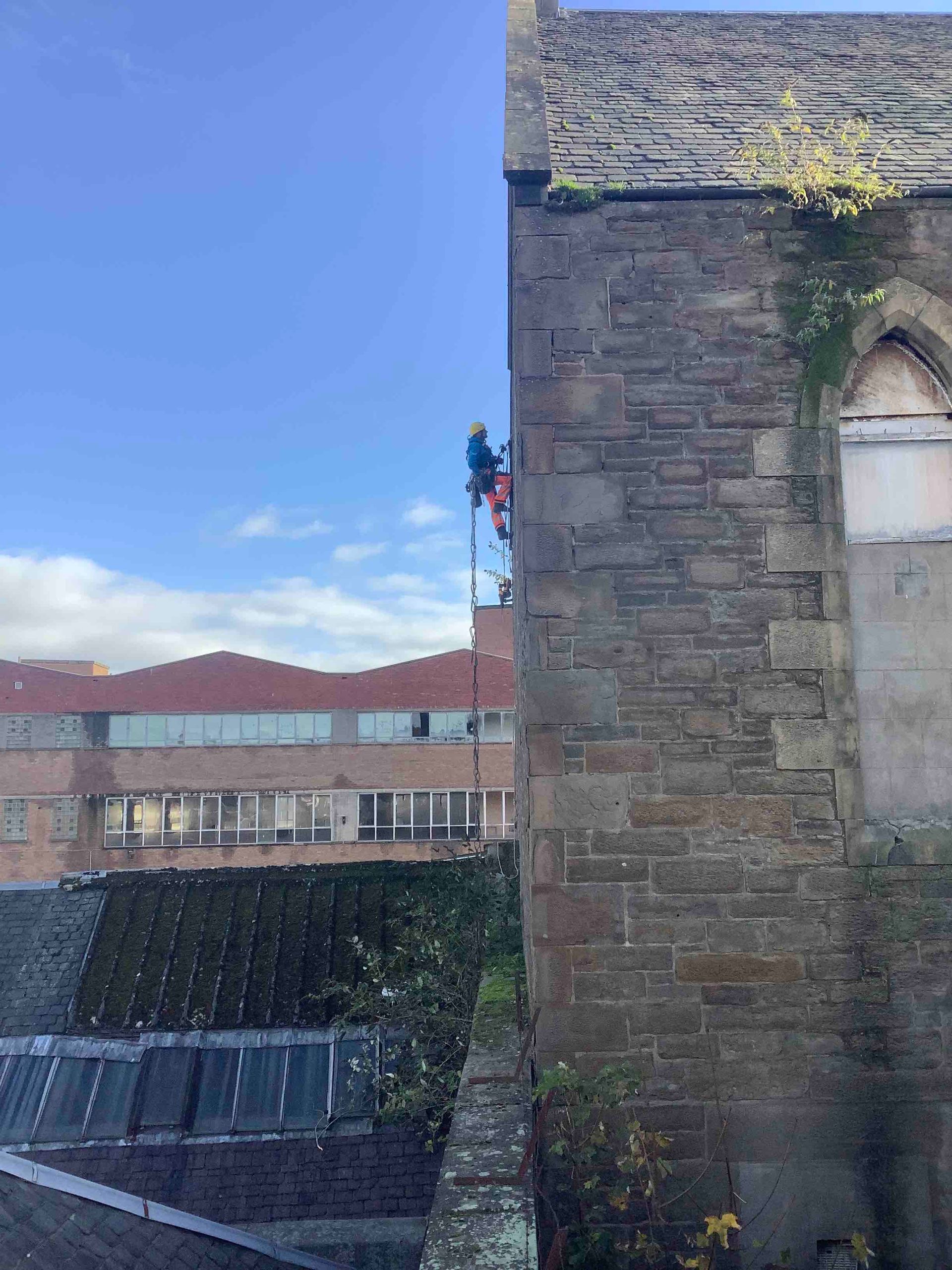
Steeplejack Services in Belfast and Northern Ireland
Steeplejacks are specialist tradespeople who work on tall and difficult-to-access structures such as chimneys, church steeples, towers, masts, stacks, silos and high-level buildings. In Belfast and across Northern Ireland, this type of work is often delivered using modern rope access methods, allowing safe, efficient inspection, maintenance and repair at height.
Dangle provides modern steeplejack and rope access services for industrial, civil, commercial and heritage environments. Our rope access teams support tall-structure inspection, maintenance, repair and access planning where scaffolding, MEWPs or traditional access methods may not be practical.
Need access to a tall or hard-to-reach structure? Contact Dangle to discuss steeplejack-style inspection, maintenance or repair support across Belfast and Northern Ireland.
Steeplejack and Rope Access Services
Dangle provides steeplejack and rope access services for clients who need safe, planned access to tall, ageing or difficult-to-reach structures across Belfast and Northern Ireland.
Our teams support inspection, maintenance, repair and access planning for structures where scaffolding, MEWPs or conventional access methods may not be practical or cost-effective.
Steeplejack-style services we support include:
- chimney, tower and stack inspections
- church steeple and heritage structure access
- high-level masonry and defect checks
- mast, tower and roof-level asset access
- façade, parapet and roofline inspections
- leak tracing and water ingress investigations
- minor repair and maintenance support
- painting and protective coating works
- access planning for engineers, surveyors and contractors
- photographic reporting and close visual inspections
Where suitable, rope access can provide a targeted and efficient method of reaching difficult areas while reducing disruption to buildings, operations and the surrounding site.
What Is a Steeplejack?
A steeplejack is a specialist tradesperson trained to access, inspect, maintain and repair tall or difficult-to-reach structures. Traditional steeplejack work often involved chimneys, church steeples, towers, masts, industrial stacks and high masonry structures.
Today, many steeplejack-style tasks can be supported using modern rope access methods. This can help reduce the need for scaffolding or MEWPs on suitable projects while still allowing safe inspection, maintenance and repair at height.
Steeplejack work may involve high-level inspection, access planning, masonry checks, minor repairs, coatings, maintenance support, safety controls and rescue planning for exposed or hard-to-reach environments.
Why Are They Called Steeplejacks?
The term comes from the traditional role of workers who maintained and repaired church steeples. Long before modern rope access systems became common, these specialists climbed tall structures using ladders, basic rigging and other traditional techniques to carry out maintenance high above the ground.
Even though the trade has evolved, the name has endured. Today, “steeplejack” still carries strong heritage value, especially in the UK, and is often used alongside more modern phrases such as rope access technician, work at height specialist or high-level maintenance contractor.
Are Steeplejack Services Still Relevant Today?
Yes. Steeplejack work is still relevant, but the way it is delivered has changed. Many high-level inspection, maintenance and repair tasks that were once carried out using traditional steeplejack techniques can now be supported using rope access, MEWPs or other planned access methods.
For suitable structures, rope access can reduce disruption, avoid unnecessary scaffolding and allow trained technicians to inspect or maintain hard-to-reach areas safely and efficiently. At Dangle, we use this approach to support tall-structure maintenance across Belfast and Northern Ireland.
Modern steeplejack-style access services remain relevant across sectors including:
- industrial maintenance
- commercial property
- heritage and church buildings
- telecommunications
- infrastructure
- energy and renewables
- specialist inspection and access services
What Does a Steeplejack Do?
The role of a steeplejack varies depending on the project, the type of structure and the industry involved. However, the core purpose remains the same: to access tall or difficult-to-reach structures safely and carry out specialist work that protects the condition, safety and service life of those assets.
Common Steeplejack Duties
A steeplejack may be involved in:
- inspecting chimneys, towers, stacks and spires
- identifying defects in brickwork, coatings or structural elements
- carrying out high-level repairs
- replacing damaged materials
- pointing and masonry repairs
- painting and protective coating works
- leak tracing and water ingress investigations
- installing or maintaining access and safety systems
- assisting with structural surveys
- supporting maintenance planning on difficult-to-access structures
In many cases, the work begins with inspection. Before any repairs are carried out, it is often necessary to understand the condition of the structure, the nature of the defects, the safest access method and the best approach for minimising disruption.
Dangle supports these types of steeplejack-style inspection, maintenance and repair tasks across Belfast and Northern Ireland using planned rope access methods where suitable.
What Structures Do Steeplejacks Work On?
Steeplejacks may work on a wide range of tall, ageing or difficult-to-access structures, including:
- church steeples and bell towers
- industrial chimneys
- brick and steel stacks
- telecoms towers and masts
- silos and storage structures
- roof parapets and high-level roof assets
- heritage buildings
- ventilation towers
- water towers
- access-restricted industrial buildings
Why Clients Use Steeplejack Services
Clients usually need steeplejack services when a structure is difficult to access and the work requires a high level of technical competence. In some cases, this may be because the structure is very tall. In others, it may be because the shape, location or surrounding environment makes ordinary access methods unsuitable.
A steeplejack-style access approach may be suitable where:
- scaffolding is impractical, disruptive or expensive
- the structure is too high or awkward for standard access methods
- access needs to be targeted and efficient
- inspection is needed before larger repair work is planned
- masonry, coatings or structural defects need closer assessment
- maintenance is required on chimneys, towers, stacks, masts or roof-level assets
- disruption to operations needs to be reduced
- rope access can provide a safer and more efficient solution for suitable work
Dangle supports clients across Belfast and Northern Ireland with rope access inspection, maintenance and repair support for tall and difficult-to-access structures.
The History of the Steeplejack Trade
The steeplejack trade developed as towns, churches, mills, factories and industrial sites grew taller and more complex. As chimneys, towers, stacks and steeples became common across Britain, specialist workers were needed to inspect, maintain and repair structures that ordinary access methods could not reach.
Steeplejacks and Industrial Britain
During the 19th and early 20th centuries, steeplejacks became closely associated with industrial Britain. Large brick chimneys, factory stacks, church spires, mill buildings and engineering structures all required ongoing inspection, maintenance and repair.
This work required practical skill, confidence at height and a strong understanding of access, structure and safety. Traditional steeplejacks often worked in exposed conditions, carrying out repairs, masonry work and maintenance on tall or difficult structures.
The Traditional Image of the Steeplejack
The traditional image of a steeplejack is still well known: a skilled tradesperson climbing tall structures, solving difficult access problems and carrying out repair work high above the ground.
Today, this type of work is far more planned, controlled and supported by modern safety systems. Rope access, rescue planning, specialist equipment and formal working-at-height procedures now allow many steeplejack-style tasks to be delivered more safely and efficiently.
At Dangle, this modern approach supports inspection, maintenance and repair work on tall and difficult-to-access structures across Belfast and Northern Ireland.
How Modern Steeplejack Work Has Changed
From Traditional Climbing to Specialist Access
While the roots of the steeplejack trade are historic, modern steeplejack-style work is now much more closely linked to structured safety planning, specialist access equipment and controlled methods of work.
Historically, steeplejacks often relied on ladders, basic rigging and traditional climbing techniques. Today, high-level access work is more likely to involve:
- site-specific risk assessment
- rescue planning
- suitable personal protective equipment
- rope access or fall protection systems
- pre-work inspections
- controlled methods of work
- communication procedures and supervision
This does not make the work easy. It simply means the profession has evolved to meet modern safety standards and client expectations.
The Role of Rope Access in Modern Steeplejack Work
One of the biggest changes in modern steeplejack-style work is the use of rope access as a recognised specialist access method. On suitable projects, rope access can allow trained technicians to reach tall, awkward or restricted areas without the need for full scaffolding.
This can be useful for inspection, maintenance, minor repairs, coatings, cleaning, access planning and condition checks on chimneys, towers, stacks, masts, façades and roof-level structures.
At Dangle, rope access allows us to support steeplejack-style inspection and maintenance work across Belfast and Northern Ireland while helping clients reduce disruption where traditional access methods are not practical.
Inspection, Reporting and Access Planning
Modern steeplejack-style work is also supported by improved inspection and reporting methods. Photographic surveys, digital reporting, drone surveys and close visual inspections can help identify defects before hands-on work begins.
This helps clients understand the condition of a structure, prioritise maintenance and choose the safest and most efficient access method for the work required.
Steeplejack Training and Skills
Steeplejack-style work requires more than confidence at height. It relies on practical trade knowledge, access planning, risk assessment, rescue arrangements, equipment awareness and the ability to work safely on exposed or difficult-to-access structures.
Skills Needed for Steeplejack-Style Work
Key skills may include:
- working safely at height
- rope access or specialist access competence
- understanding fall protection and rescue planning
- inspecting structures, coatings, fixings and access points
- recognising defects, deterioration and water ingress
- carrying out maintenance or minor repair tasks
- communicating clearly while working in exposed environments
- following planned systems of work and site procedures
The work can be physically and mentally demanding, so safe planning, supervision and competence are essential.
Trade Knowledge Matters Too
Many steeplejack-style projects also require trade knowledge once access is achieved. Depending on the job, this may include:
- masonry inspection and repair
- pointing and brickwork defects
- protective painting and coatings
- inspection reporting
- maintenance support
- minor structural repairs
- installation and access support
In other words, access is only part of the work. The technician also needs to understand the task, the structure and the safest way to complete the job.
IRATA and Rope Access Training
In the modern industry, some steeplejack-style roles may require rope access training and certification. IRATA is widely recognised as a leading international rope access trade association and IRATA training is a major route into specialist rope access work in the UK and internationally.
For individuals looking to build a career in modern high-level access work, IRATA rope access training in Belfast can provide a structured and recognised pathway into rope access operations. This is especially relevant where the work involves inspection, maintenance and repairs on tall structures that are difficult to reach by other means.
Working at Height Knowledge
Alongside technical access skills, working at height training is an important foundation for anyone involved in steeplejack-style work, rope access or high-level maintenance. This includes access planning, equipment checks, competence, rescue arrangements, supervision and a clear understanding of current working at height guidance.
Dangle Academy provides related working at height, harness, rescue and workplace safety training for individuals and employers who need to improve competence for work at height.
Modern Steeplejack Services Dangle Supports
Dangle supports steeplejack-style inspection, maintenance, repair and access work for tall, ageing and difficult-to-access structures across Belfast and Northern Ireland. Using planned rope access methods where suitable, we help clients inspect, maintain and repair specific assets without unnecessary scaffolding or disruption.
Church Steeples and Heritage Structures
Churches, spires, clock towers and heritage structures still require specialist access and maintenance. These buildings often present unique challenges due to age, materials, architectural detail and restricted access. In such settings, the ability to inspect and carry out careful repairs at height remains highly valuable.
Industrial Chimneys and Stacks
Industrial chimneys and stacks remain one of the most recognised areas of steeplejack work. These structures may require:
- inspections
- brick or concrete repairs
- coatings
- maintenance planning
- access for engineers or surveyors
Towers, Masts and Telecoms Structures
Telecommunications and utility infrastructure also require skilled high-level access workers. Depending on the structure and project scope, this may overlap with specialist climbing, rope access or steeplejack-style work.
Commercial and Industrial Buildings
High-level maintenance on commercial and industrial premises can include roof-level inspections, façade access, leak investigations, access support and targeted repair works in areas where traditional access methods are not ideal.
Roof-Level and Difficult-Access Assets
Dangle also supports access to roof-level assets, parapets, façades, ventilation structures, high-level fixings and other awkward areas where standard access methods may not be practical.
Renewable Energy and Specialist Structures
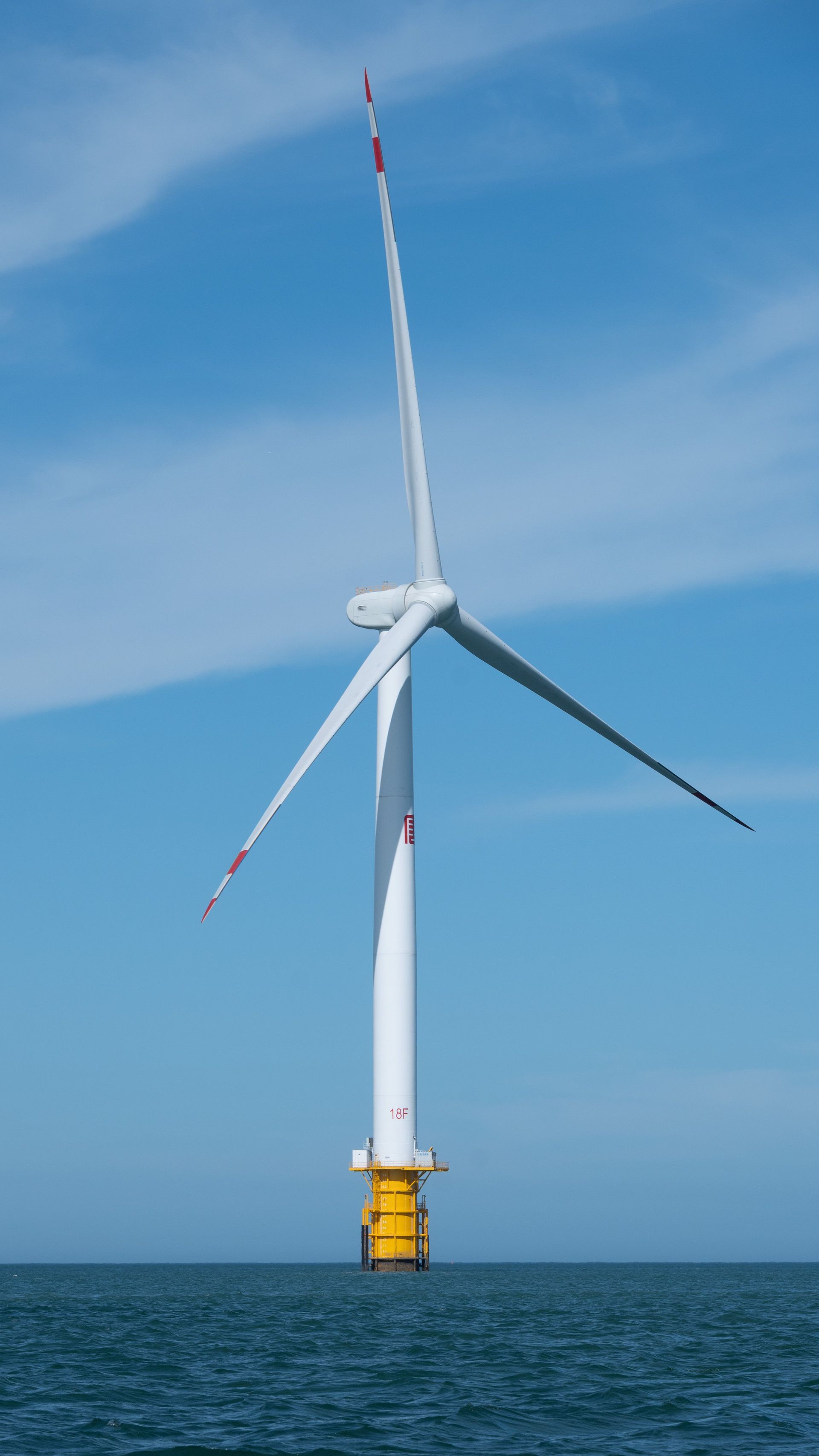
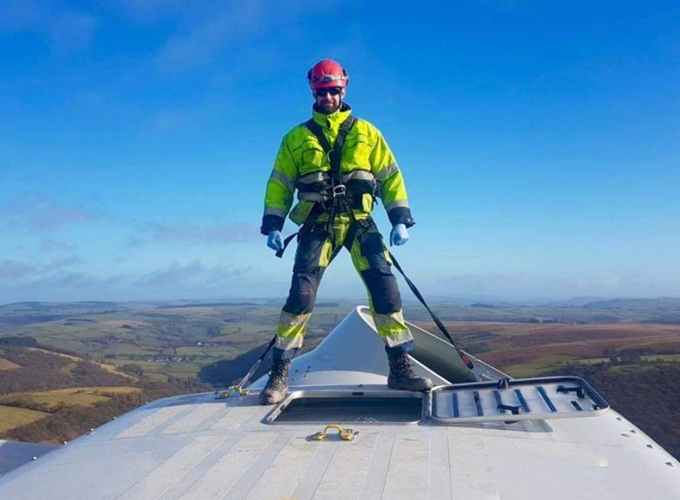
As the work-at-height sector evolves, many professionals with steeplejack-style or rope access skills now also work on renewable energy assets and related infrastructure. This shows how the traditional trade has developed into a broader family of high-level specialist services.
Need support with a tall or difficult-to-access structure? Contact Dangle to discuss steeplejack-style inspection, maintenance or repair services across Belfast and Northern Ireland.
Safety in Steeplejack Work
Safety is central to any steeplejack-style project. Work on tall, exposed or difficult-to-access structures must be properly planned, supervised and carried out by competent people using suitable access methods, equipment and rescue arrangements.
Modern steeplejack work is very different from the traditional image of workers simply climbing tall structures. Today, safe delivery depends on risk assessment, method statements, equipment checks, communication, fall protection and the correct level of training for the work being carried out.
Why Safety Is So Important
Steeplejack-style work can involve height, exposure, weather, fragile surfaces, structural defects and restricted access. Because of this, safety must be built into every stage of the project, from planning through to completion.
This may include:
- assessing the structure and surrounding area
- choosing the safest access method
- checking equipment before use
- confirming worker competence and supervision
- planning rescue arrangements
- using suitable personal protective equipment
- controlling dropped object and exclusion zone risks
- maintaining clear communication on site
The Right Access Method for the Structure
Not every structure should be approached in the same way. Sometimes scaffolding is appropriate. Sometimes a MEWP may be the better option. On suitable projects, rope access can provide a targeted and efficient solution with less disruption.
A competent contractor should assess the structure, the task, the site conditions and the risks before deciding on the safest and most practical access method.
Teamwork and Rescue Planning
Modern work-at-height operations rely heavily on teamwork. Workers do not simply go up a structure and hope for the best. They operate within planned systems, with support arrangements and rescue capability in place if needed.
Why Choose Dangle for Steeplejack-Style Access?
Dangle provides steeplejack-style access, inspection, maintenance and repair support for clients across Belfast and Northern Ireland. Our rope access teams help clients inspect and maintain tall, ageing or difficult-to-access structures including chimneys, towers, stacks, façades, roof-level assets and other hard-to-reach areas.
Where suitable, rope access can reduce disruption, avoid unnecessary scaffolding and provide a targeted method for carrying out inspection, maintenance and repair work at height.
Why Local Expertise Matters
Choosing a contractor with genuine work-at-height and rope access experience matters. Clients need confidence that the team understands not only access methods, but also the practical realities of inspecting, maintaining and repairing difficult structures safely and efficiently.
Dangle combines rope access capability, inspection experience, maintenance support and training knowledge from our Belfast base, supporting clients across Northern Ireland and, where required, wider UK projects.
Clients should look for experience in:
- rope access and high-level work
- inspection and maintenance planning
- safety systems and rescue awareness
- industrial and commercial structures
- sector-specific requirements
Why Dangle Is Relevant to Steeplejack-Style Work
Dangle is relevant to steeplejack-style work because our team understands both specialist access and work-at-height training. Modern steeplejack services often overlap with rope access, high-level inspection, maintenance support, rescue planning and safe systems of work.
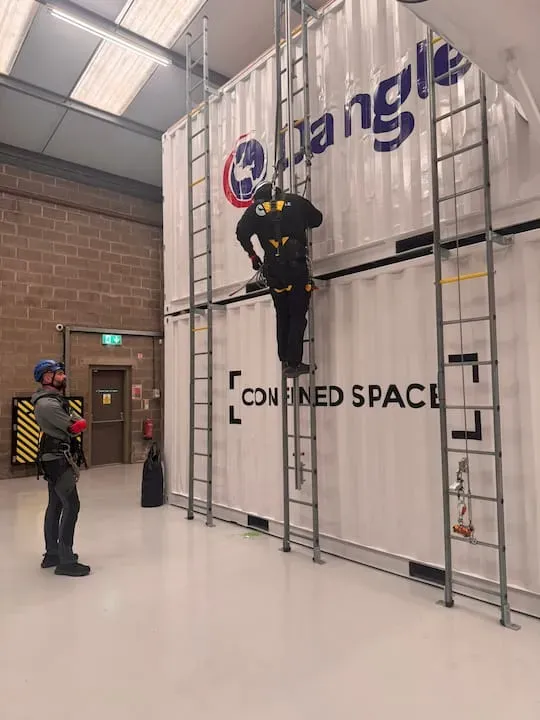
Through Dangle Academy, we also deliver rope access, working at height, harness, rescue and industrial safety training from our Belfast training centre. This combination of practical service experience and training knowledge supports safer, more competent work at height.
Training Knowledge Backed by Real Site Experience
Dangle Academy’s training is shaped by real industry experience in rope access, working at height and specialist access work. This helps connect classroom learning with the practical realities of inspection, maintenance, rescue planning and safe site delivery.
Alongside training, Dangle also provides rope access services for clients who need safe and efficient access to difficult-to-reach structures. This combination of training knowledge and site experience helps us support both learners entering the industry and clients needing dependable access solutions.
Need Specialist Access for Tall-Structure Maintenance?
If you need support with inspection, maintenance or repair work on chimneys, towers, masts, façades, stacks or other difficult-to-reach structures, Dangle can help.
Explore our rope access services or contact Dangle to discuss steeplejack-style access, inspection, maintenance and repair support across Belfast and Northern Ireland.
Steeplejack Services FAQs
What is a steeplejack?
A steeplejack is a specialist who works on tall structures such as chimneys, church steeples, towers, stacks and other high-level buildings. Steeplejacks carry out inspections, repairs, maintenance and access work safely on structures that are difficult to reach using standard methods.
How to become a steeplejack uk
To become a steeplejack in the UK, you usually need working at height experience, the right safety training, and practical skills for carrying out inspections, repairs and maintenance on tall structures. Some roles may also require rope access certification through IRATA, the world’s leading rope access trade association, depending on the type of work involved.
What is the difference between a steeplejack and rope access technician?
A steeplejack is traditionally a specialist who works on tall structures such as chimneys, towers, and steeples. A rope access technician uses an access method based on ropes and harness systems to reach difficult areas safely. Today, many high-level maintenance companies combine both skill sets depending on the structure and scope of work.
Can steeplejacks inspect structures without full scaffolding?
In many cases, yes. Depending on the structure and condition, inspections may be completed using rope access, specialist climbing techniques, drone support, or other targeted access solutions. This can reduce disruption while still allowing close visual assessment of high-level defects.
What qualifications do steeplejacks need in the UK?
The exact qualifications depend on the work being carried out. In the UK, competence in working at height, rescue planning, inspection methods, and task-specific access systems is essential. Some projects may also require rope access certification, safety training, or additional industry-specific qualifications.
Are steeplejacks used for industrial maintenance?
Yes. Modern steeplejack contractors are often involved in industrial maintenance projects where safe access to high structures is needed. This may include inspections, repairs, coatings, cleaning, surveys, and asset maintenance on live or shutdown sites.
Do steeplejacks work across Belfast and Northern Ireland?
Yes, specialist steeplejack and work-at-height contractors can support projects across Belfast, Northern Ireland, and the wider UK, depending on the service required. This is especially useful for industrial sites, commercial buildings, and heritage structures needing high-level access expertise.
Why choose a steeplejack contractor instead of traditional access methods?
A steeplejack contractor can often provide a more targeted access solution for tall or complex structures, especially where full scaffolding may be costly or impractical. The right method depends on the asset, the condition, and the work required, but specialist access can help improve efficiency and reduce disruption.
Contact Us
We'd Love a Share...
Recent Blog Post's