IRATA Rope Access Level 1: Complete Informational Guide

As IRATA-accredited members at Dangle Academy, we treat IRATA Rope Access Level 1 as the professional entry point into industrial rope access — not just ‘working at height’.


This guide is written from our IRATA instructor’s standpoint. It explains the IRATA Level 1 course content, training syllabus, certification requirements, core rope-access techniques, safety guidelines, typical hazards and the rescue procedures you are expected to understand at this level. It is purely informational.


Click the button below to view our available dates for training.

IRATA Level 1 course dates

What is IRATA Rope Access Level 1?

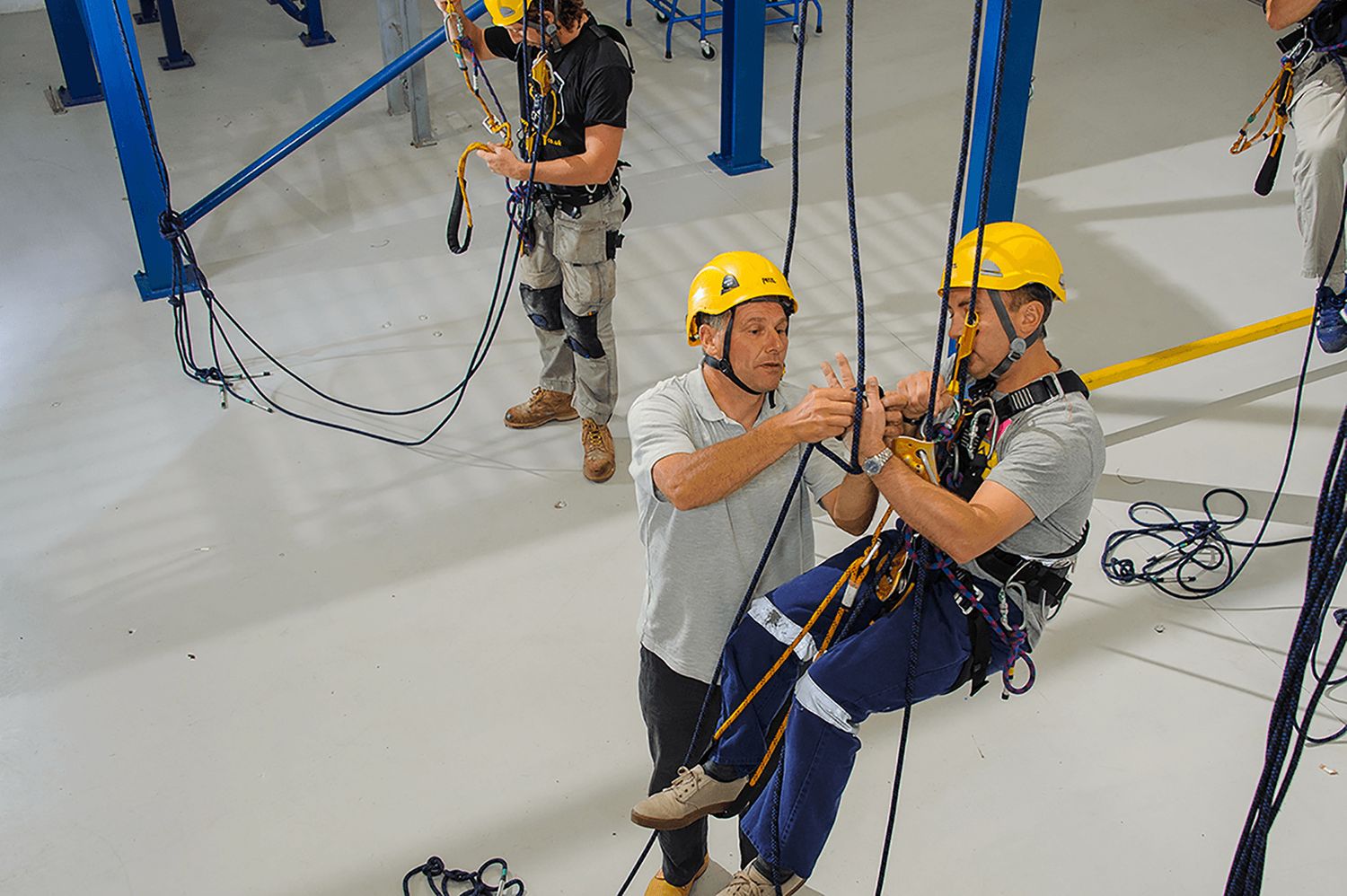
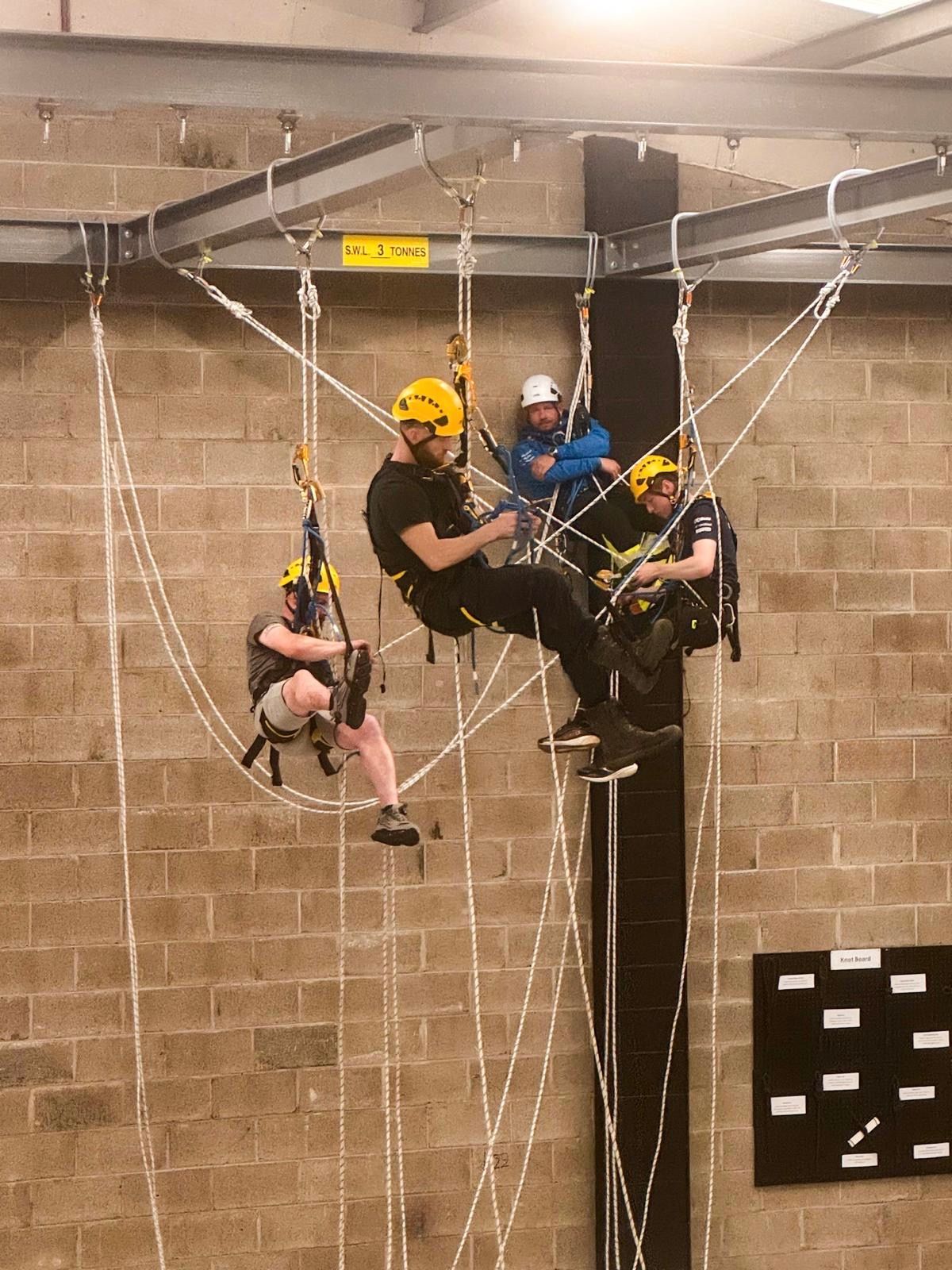
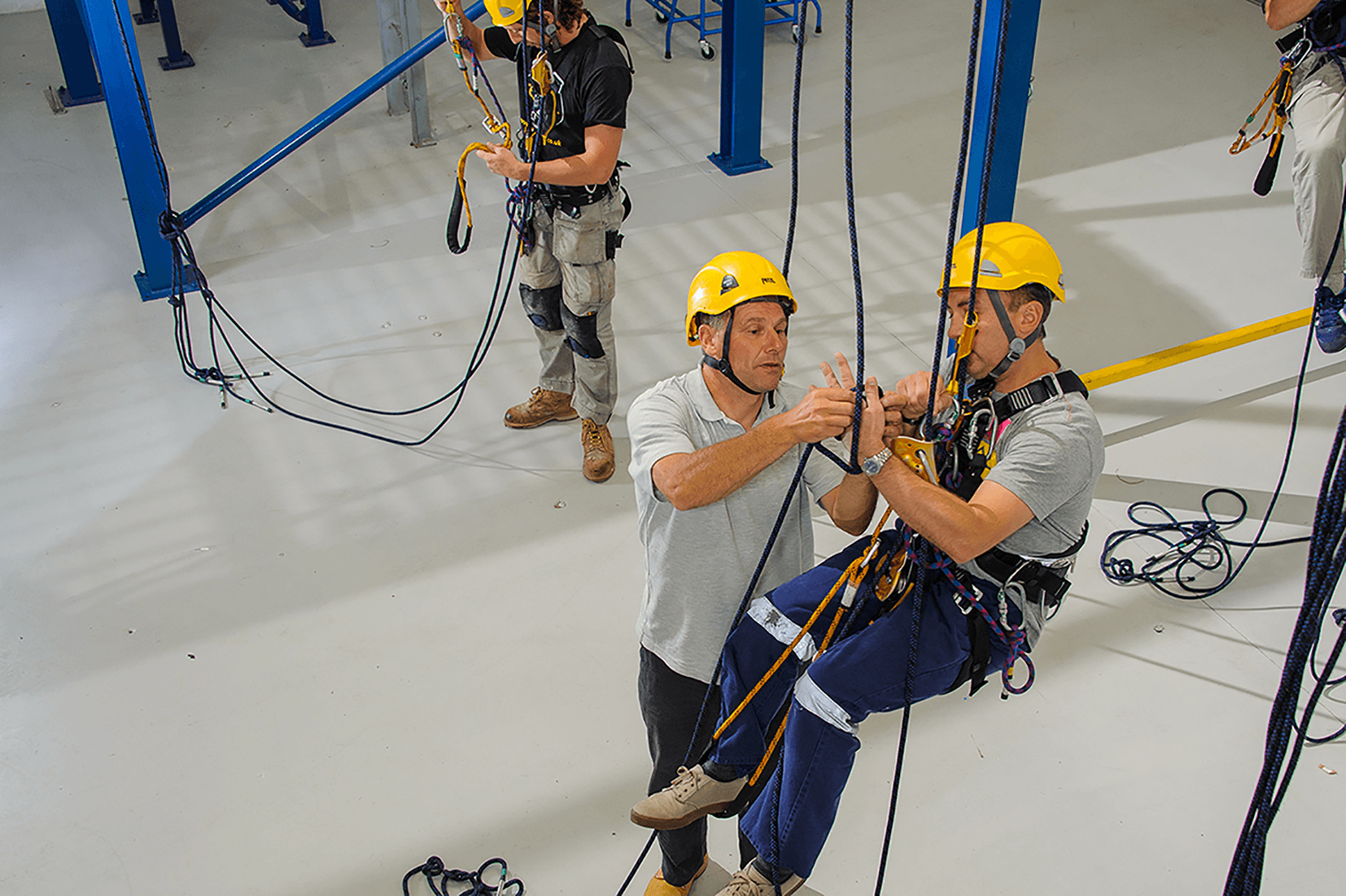
a man is showing another man dangling from a rope how to tie a knot correctly

IRATA Rope Access Level 1 is the foundational qualification within the IRATA International framework. Its purpose is to certify that a technician can:


 • Use industrial rope access equipment correctly and safely.

 • Perform standard rope access techniques within a pre-planned system.

 • Work under the supervision of an IRATA Level 3 (or designated competent supervisor).

 • Contribute to safe operations without taking on supervisory or rescue-lead responsibilities.


From an instructor’s perspective, Level 1 is about building dependable habits — correct equipment handling, disciplined use of backups and consistent adherence to rope-access safety guidelines and site procedures.

Role and responsibilities of a Level 1 technician

A Level 1 rope access technician is a supervised operator. In practice, a competent Level 1:


  • Carries out basic rope-access manoeuvres, positioning and simple rigging as instructed.
  • Assists with tasks such as inspection, cleaning, basic maintenance, painting and simple installations.
  • Follows the safe system of work designed by the Level 3, including rescue arrangements.
  • Participates in toolbox talks, pre-job briefings and post-job reviews.
  • Identifies and reports rope access hazards (e.g. sharp edges, loose objects, weather changes) to the supervisor.


Level 1 candidates are not expected to design systems, write method statements or lead rescues.  Level 1 technicians know where their responsibility ends and the supervisor’s begins — and will stay firmly within those boundaries.

Purpose and scope of Level 1 certification

IRATA Rope Access Level 1 is the entry level certification within the IRATA International framework. The scope of Level 1 training covers all fundamental rope-access techniques, safety principles, and operational practices needed to perform work-at-height tasks efficiently and safely.


Its purpose is to certify that a technician can:


  • Use harnesses, ropes, and associated equipment correctly.
  • Ascend and descend safely on a twin-rope system.
  • Perform basic manoeuvres such as transfers and deviations.
  • Conduct pre-use checks and identify equipment faults.
  • Understand and apply IRATA’s international safety standards.


Level 1 exists so that supervisors can rely on technicians who understand and follow the system without improvising beyond their competence.

Key differences from Level 2 and Level 3

For context, IRATA TACS explain the three IRATA levels like this:


Level 1 – Rope access technician (entry-level)

  • Executes pre-planned rope systems and standard manoeuvres.
  • Carries out work tasks at height under supervision.
  • Supports, but does not lead, rescue operations.


IRATA Rope Access Level 2 – Lead rope access technician (intermediate)

  • Handles more complex rope access techniques and rigging.
  • Takes a more active role in rescue procedures.


IRATA Rope Access Level 3 – Rope access supervisor (advanced)

  • Responsible for work planning, documentation and rope access safety guidelines on site.

IRATA Tech Connect


IRATA must verify each rope-access technician's identity. By doing so, IRATA ensures that:


  • Only legitimate technicians can access IRATA TechConnect.
  • Personal and professional data is protected from unauthorised access.
  • The community remains secure and trustworthy.
  • Compliance with applicable legal and regulatory requirements is maintained.


IRATA accepts the following types of ID documents:

  • Passport (preferred)
  • Driving License
  • Government Photo ID


  • What is IRATA Level 1 certification

    IRATA Level 1 certification confirms that Level 1's can work as a rope access technician under supervision, using approved rope access techniques and equipment in line with IRATA ICOP and local legislation. It is the first step in the IRATA framework and a prerequisite for Level 2.

  • Who is eligible for Level 1?

    Typically, IRATA Level 1 candidates must:

     • Be at least 18 years old.

     • Be medically fit for work at height (usually evidenced by a suitable medical).

     • Be able to understand and follow instructions in the course language.

     • Meet any additional requirements of the training provider or local regulations.

  • What is a rope access system?

    According to BS ISO 22846-1 and the IRATA International Code of Practice (ICOP), a rope-access system is defined as a method of work-positioning or access in which ropes and associated equipment are used to gain access to, support and enable work at height in a safe and controlled manner.

IRATA Level 1 Training and Syllabus

The IRATA training syllabus is standardised across all approved training centres around the world. For Level 1, instructors cover:


  • Introduction to IRATA ICOP and roles of Levels 1/2/3.
  • Equipment identification, function, inspection and care (harnesses, helmets, connectors, descenders, ascenders, backups, ropes, slings).
  • Knots and terminations used in rope access.
  • Fundamental rope access techniques: ascending, descending, changeovers, passing deviations and re-anchors.
  • Simple rigging tasks under supervision.
  • Work positioning and tool handling at height.
  • Basic rope access rescue procedures and your role within the rescue plan.
  • Risk awareness, typical rope access hazards, and control measures.
  • ACWAHT (Advisory Committee for Work at Height training) syllabus is also covered in IRATA Level 1.

Core modules covered in Level 1 training

The IRATA Rope Access Level 1 course has been registered by CITB NI for grant assistance to registered in scope employers, terms and conditions apply.

Theory and practical skills taught

From an instructor’s point of view, effective Level 1 training balances theory and practice:


Theory content covers:


  • IRATA system and industry roles.
  • Legal and best-practice context for work at height.
  • Principles underlying rope access safety guidelines (redundancy, fall factors, edge management).
  • Equipment standards, inspection intervals, retirement criteria.
  • Basic rescue principles and emergency communication.


Practical content focuses on:


  • Fitting and adjusting the harness and PPE correctly.
  • Rope manoeuvres carried out repeatedly until movements are controlled and consistent.
  • Implementing simple rigging tasks exactly as instructed.
  • Using tools at height without compromising the rope system.
  • Behaviour and decision-making aligned with safe systems of work.


Combining both theory and practical within the IRATA Level 1 course content ensures that participants can then apply this directly in realistic rope-access scenarios.

FAQs – IRATA Level 1 Training and Syllabus

  • What topics are included in Level 1 training?

    Level 1 training includes: equipment, knots and terminations; rope-access manoeuvres; basic rigging; work-positioning; risk awareness; rope-access safety guidelines; and an introduction to rope-access rescue procedures and the Level 1 technicans role in them.

  • How long is the Level 1 course?

    Most IRATA Level 1 courses run over five consecutive training days plus a separate assessment day. The exact timetable can vary, but this structure aligns with IRATA’s expectations for contact time and skills development.

Elevate Your Skills

Safety Guidelines for IRATA Level 1 Rope Access

Level 1 specific safety standards and protocols

For Level 1 technicians, rope-access safety guidelines centre on disciplined, consistent behaviour. IRATA emphasises:


  • Always operate on two independently anchored ropes (working + safety).
  • Maintain correct attachment at all times and minimise slack in the system.
  • Perform pre-use checks on harnesses, devices, connectors and ropes.
  • Conduct buddy checks before leaving the ground or changing systems.
  • Comply with site-specific safety rules without exception.
  • Use only approved equipment compatible with the overall system.


At this level, you are expected to apply the rules, not modify them.

Common hazards faced by Level 1 technicians

IRATA member companies teach Level 1 candidates to recognise and report rope access hazards such as:


  • Sharp or abrasive edges that can damage ropes or lanyards.
  • Unsecured tools and materials that could become dropped objects.
  • Poor anchor conditions, corroded steel, loose fixings or unknown structures.
  • Adverse weather: high winds, rain, lightning, extreme temperatures.
  • Environmental risks: chemicals, dust, fumes, noise, confined areas.
  • Fatigue, dehydration and poor ergonomics affecting concentration and performance.
  • 15kN required for anchor point selection.


Understanding the hazard is only part of the job; Level 1 technicians must also support the control measures put in place by supervisors.

PPE requirements and proper usage

As instructors, we expect Level 1 technicians to be fully confident with their PPE (personal protective equipment). This typically includes:


  • Certified full-body harness designed for rope-access work, correctly adjusted and checked.
  • Industrial helmet with chin strap, suitable for work at height.
  • Appropriate descenders, ascenders and backup devices.
  • Cow’s tails, work positioning lanyards and, where needed, work seats.
  • Gloves and clothing suited to the task and environment.
  • Additional PPE where required: eye protection, hearing protection, respiratory protection, chemical-resistant gear, etc.


Correct fit, compatibility and regular inspection are key parts of rope-access safety guidelines at Level 1.

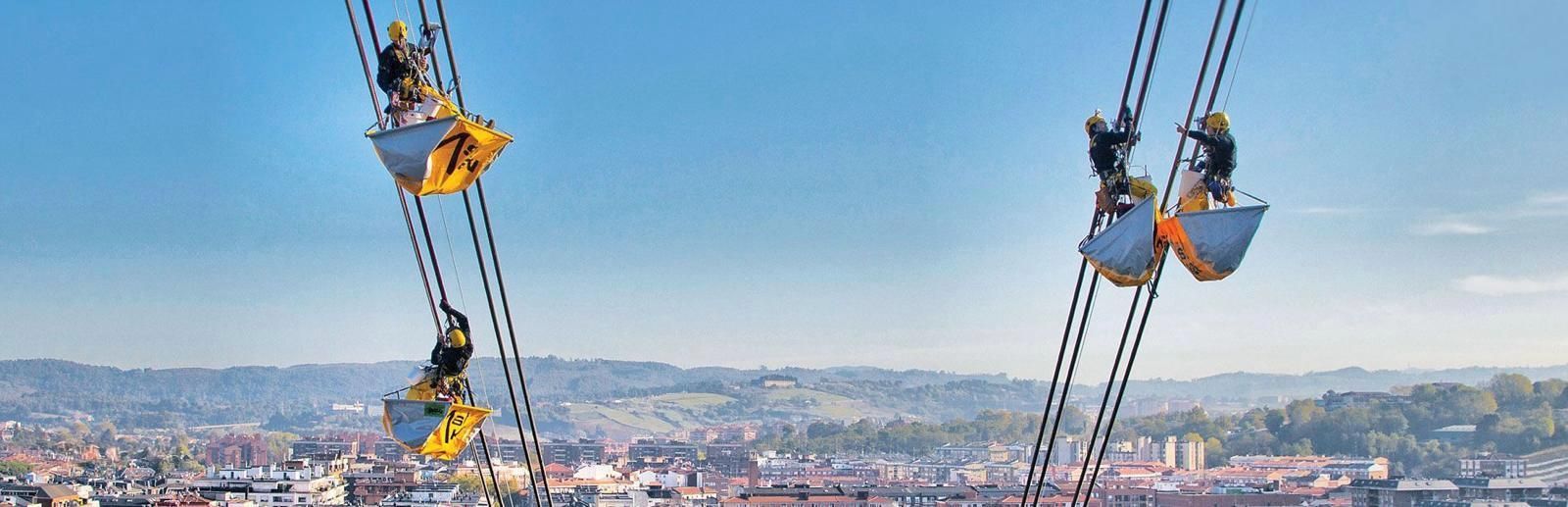
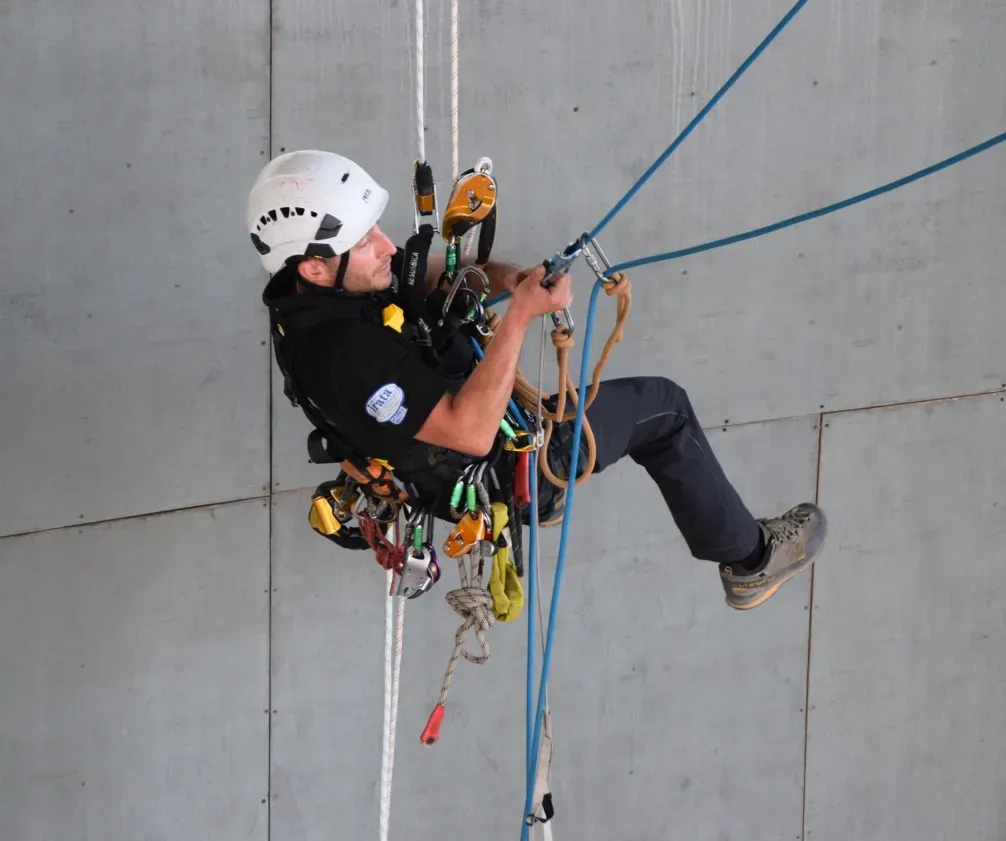
Cable stay workers in suspension on ropes with buckets underneath, against a clear blue sky, overlooking a city.

Rope Access Techniques for Level 1

Basic climbing and descending methods

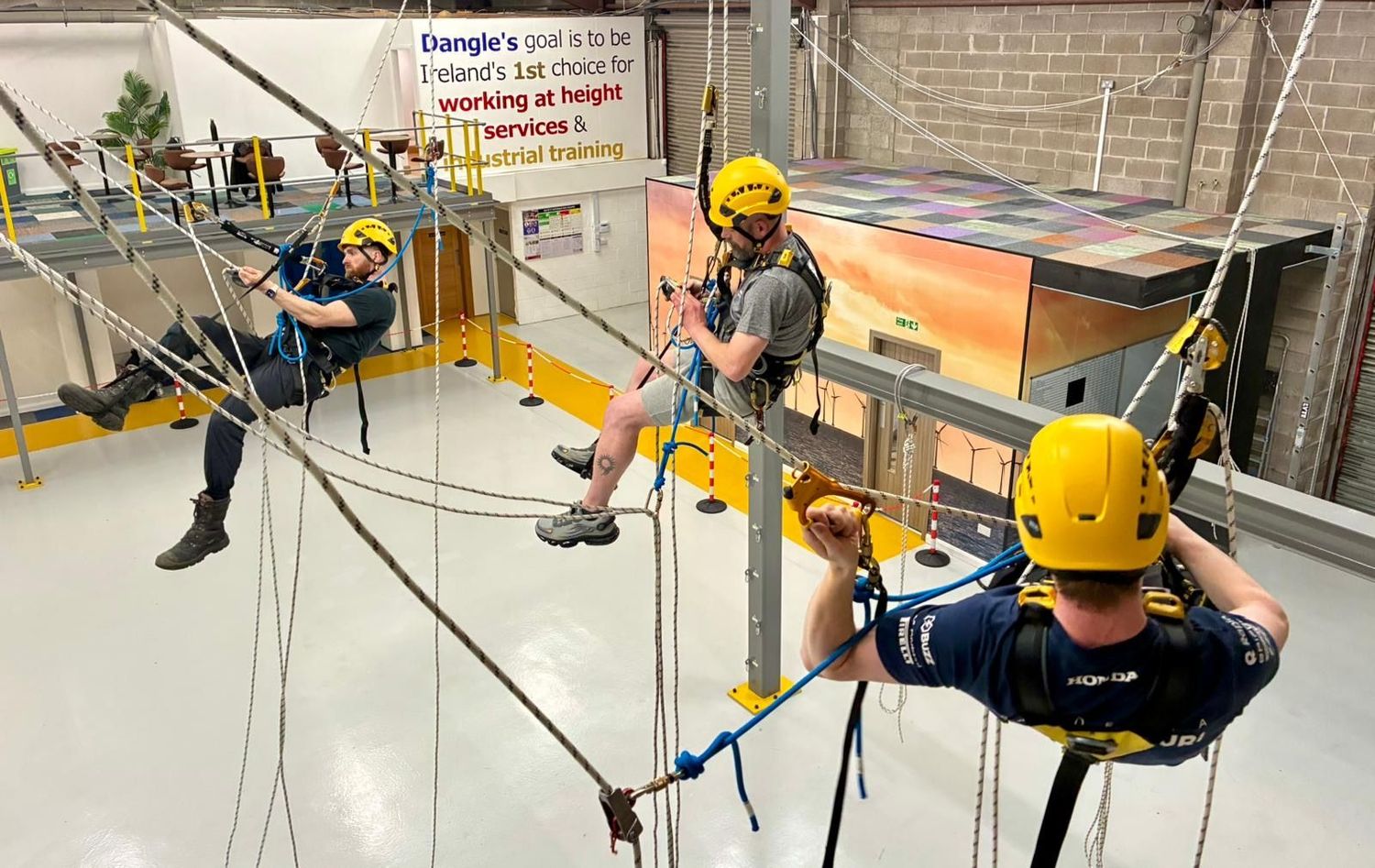
A large part of Level 1 is mastering fundamental rope-access techniques. IRATA expects technicians to:


  • Attach to both working and safety ropes using appropriate connectors and devices.
  • Ascend using chest and hand ascenders with efficient body movement.
  • Descend under full control using approved descenders and backups.
  • Perform smooth, well-sequenced changeovers between ascent and descent.


These core techniques must be repeatable under assessment and site work conditions, not just once in ideal circumstances.

  • What rope techniques are taught in Level 1?

    Rope-access techniques taught at level 1 includes basic climbing, descending, changeovers, passing deviations and simple anchors, as well as safe work positioning and basic rigging under supervision.

  • What PPE is required for Level 1 technicians?

    Typically: a certified full body harness, suitable helmet with chin strap, correctly configured rope access devices, lanyards, appropriate boots and gloves, plus any environment-specific PPE defined in the risk assessment and method statement.


Anchoring and rope handling techniques

At Level 1 students are not designing complex systems — but must understand how they function. Training therefore covers:


  • Basic concepts of anchor strength, redundancy and load direction.
  • Using slings and connectors correctly as directed by the supervisor.
  • Protecting ropes at edges and contact points with rope protectors or padding.
  • Managing rope length, coils and terminations to avoid tangles and tripping hazards.
  • Keeping ropes clean and clear of chemicals, sharp objects and moving machinery.


These elements ensure that your rope access techniques sit within a robust, well-managed rope system.

Tips for maintaining stability, efficiency, and safety

From an instructor’s perspective, good Level 1 technicians:


  • Use legs and core rather than relying solely on arm strength.
  • Adjust their position to keep the work area close and comfortable.
  • Keep lanyards at sensible lengths to avoid unnecessary swing or fall-factor potential.
  • Manage tools so they are accessible but secure (e.g. lanyard, holstered).
  • Work at a pace that maintains control and situational awareness.


Stability and efficiency are not just about comfort—they are critical risk-controls.

See our IRATA Training Manual

33,665,594

rope hours worked from January to December 2024


18.1%

increase in rope access employment in 2024


FAQs – Rope Access Techniques

  • How do Level 1 technicians maintain safe movement?

    By maintaining continuous secure attachment, keeping slack to a minimum, using backup devices correctly, and working strictly within the limits of the system designed by the supervisor.

Rescue Procedures at Level 1

Emergency and rescue protocols specific to Level 1

Rescue planning sits with the Level 3 supervisor, but Level 1 technicians must understand the basics of rope-access rescue procedures:


  • Knowing the rescue plan for each job and location.
  • Understanding how to raise the alarm and communicate clearly.
  • Recognising situations where self-rescue is not appropriate and external help is required.
  • Following instructions from the designated rescuer without improvising.


A Level 1's primary responsibility is not to lead rescues, but to support them safely.


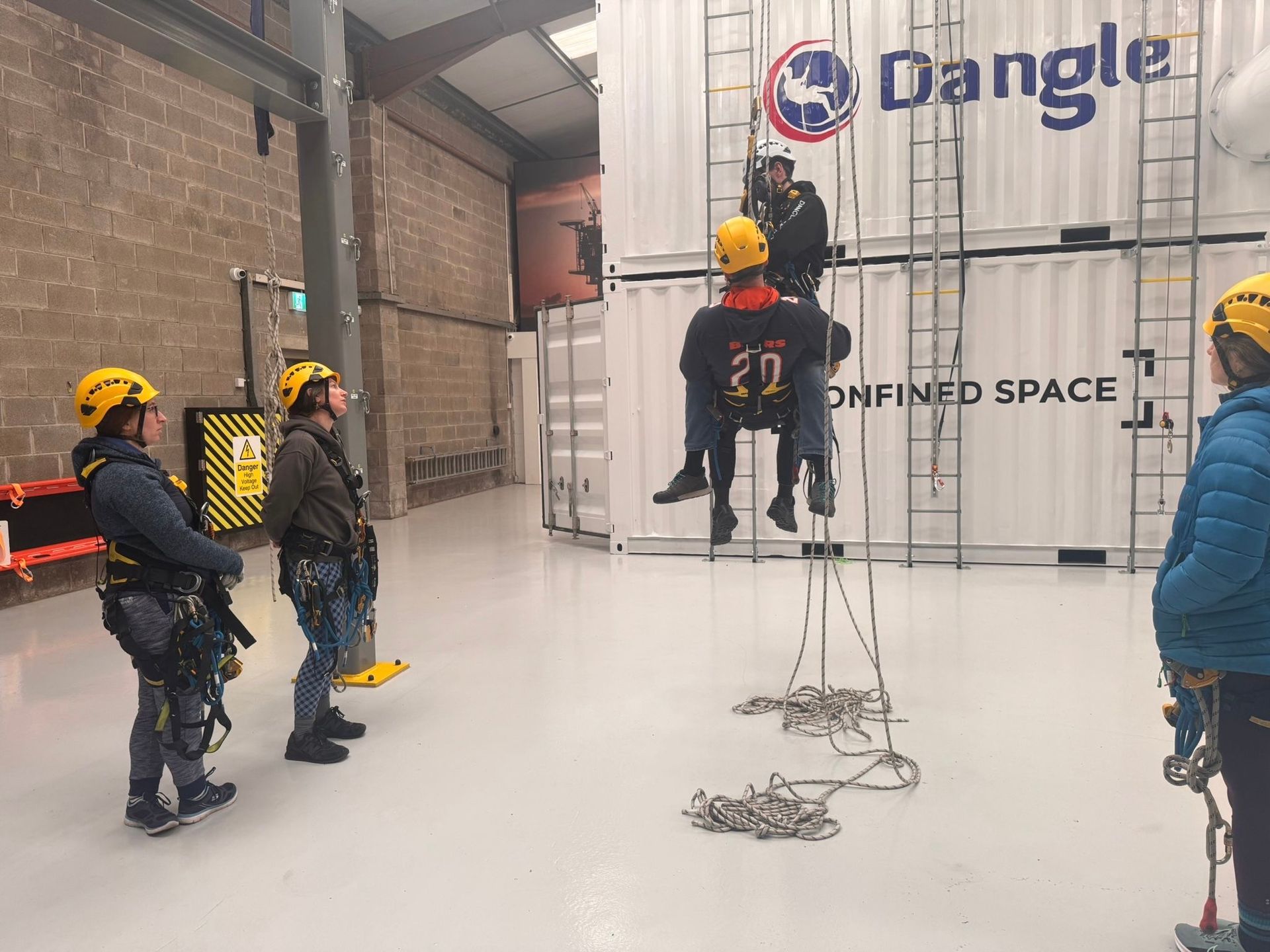
Common rescue scenarios and step-by-step procedures


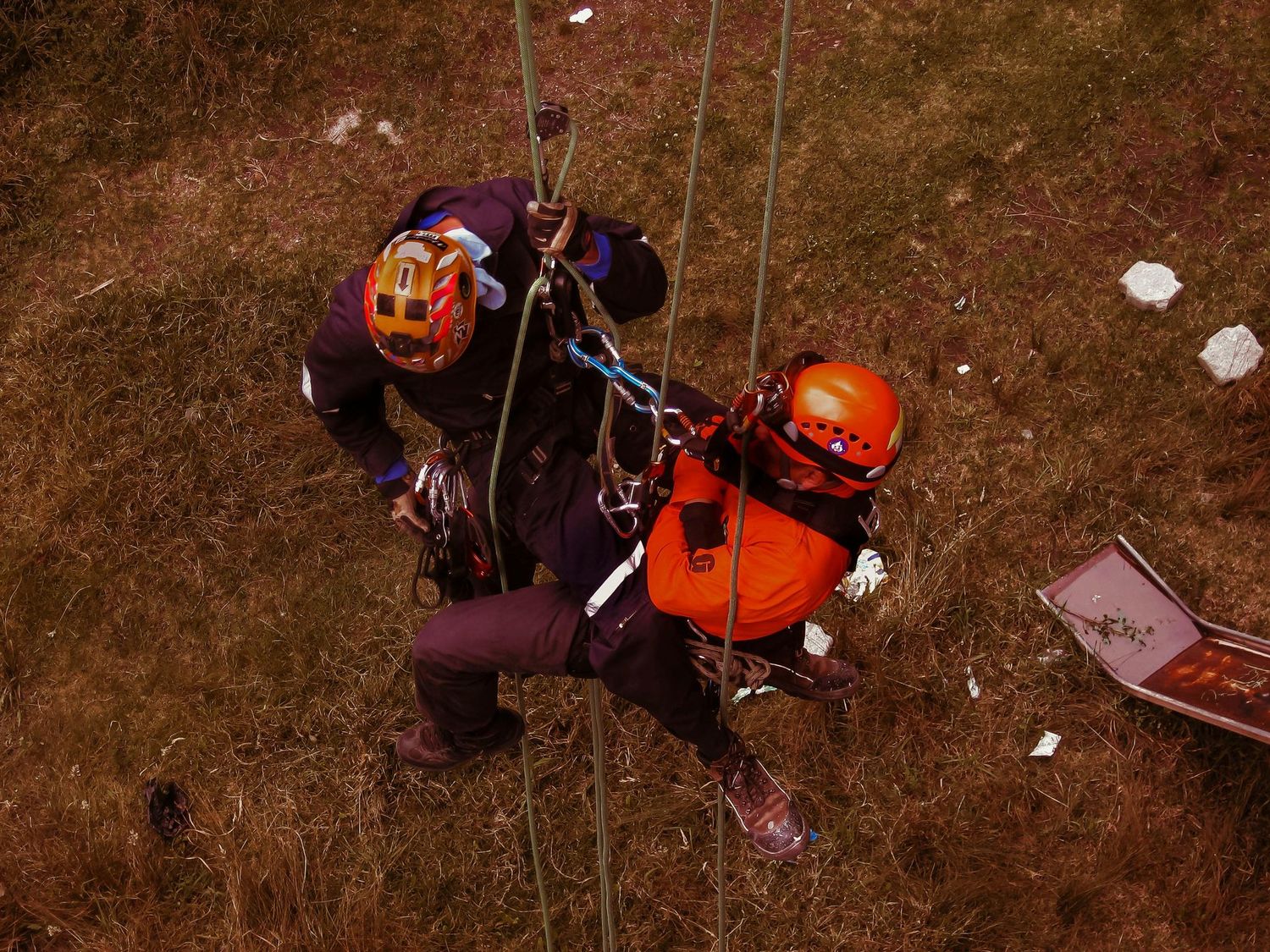
During training, instructors often use simplified scenarios to illustrate rope access rescue procedures, such as:


  • A technician unable to ascend or descend due to equipment issues or fatigue.
  • A technician suspended and needing recovery to a safe platform.
  • Situations requiring controlled lowering under supervision.


You may be asked to:


  • Manage ropes and clear tangles.
  • Prepare and pass equipment to the rescuer.
  • Help stabilise and support the casualty once they are reached.


The exact steps will depend on the rescue plan, but Level 1 technicians must remain calm, follow instructions and maintain their own safety.

Importance of drills and preparedness for emergencies

Instructors stress that rope-access rescue procedures work only if the team practises them. For Level 1 this means:


  • Participating in regular rescue drills.
  • Listening carefully during toolbox talks and emergency briefings.
  • Asking questions when any part of the rescue plan is unclear.
  • Treating every drill as if it were a real event - no shortcuts, no complacency.


  • What rescue skills are covered in Level 1?

    IRATA Level 1 rescues cover basic self-rescue, assisted rescue, and casualty lowering. Technicians learn to escape a rope system, transfer lines, rig for rescue, and lower a casualty using a pre-rigged system.

  • How is emergency training evaluated?

    Emergency understanding is assessed through:


     • Practical drills observed by instructors.

     • Questions during the course and assessment.

     • Behaviour in simulated scenarios (communication, control, adherence to the plan).

  • What industries can I work in with Level 1?

    Level 1 technicians work in offshore wind, oil and gas, construction, industrial maintenance, inspection, infrastructure, theatre and concert-rigging, surveying and NDT (non-destructive testing), window cleaning, wind-turbine blade repair and many more — all around the world.

  • How does Level 1 prepare for advanced rope access roles?

    Level 1 provides:


     • A solid technical base in movement on ropes and basic rigging.

     • Early exposure to rope access hazards and control measures.

     • Understanding of team roles and rope access rescue procedures.

     • Logged experience which is mandatory for progression to Level 2.


Certification Requirements for IRATA Level 1

Eligibility criteria for Level 1 certification

IRATA certification requirements for Level 1 normally include:


  • Minimum age of 18.
  • Medical fitness to work at height, often supported by a recognised medical certificate.
  • Ability to understand training and safety information in the course language.
  • Completion of an approved IRATA Level 1 training course.


Individual training providers may add further conditions based on local laws or internal policies.

Maintaining and renewing Level 1 certification

Under standard IRATA certification requirements, Level 1 certificates are normally valid for three years. To maintain and develop a Level 1 rope access qualification technicians should:


  • Work regularly on rope-access tasks and record hours in an IRATA logbook.
  • Keep skills current with ongoing supervised practice.
  • Re-validate before expiry through refresher training and re-assessment.


Technicians aiming for Level 2 must also meet IRATA’s minimum time-in-grade and logged-hours thresholds, supported by accurate logbook entries.

Theoretical and practical assessment components

The Level 1 assessment is carried out by an independent IRATA assessor. It covers:


  • Practical assessment:


  • Rope manoeuvres (ascending, descending, changeovers, deviations, re-anchors).
  • Basic rigging under direction.
  • Work positioning and tool management.
  • Demonstration of rope access safety guidelines in practice: checks, backups, communication.


  • Theory assessment:


  • Written and/or verbal questions relating to the IRATA training syllabus.
  • Equipment identification, inspection and retirement.
  • Key points from IRATA ICOP and local legislation.
  • Basics of rope access rescue procedures and hazard awareness.


The goal is to verify not only that you can perform tasks, but that you understand why they are done in a particular way.

Frequently Asked Questions About IRATA Rope Access Level 1

Common questions about training, skills, and career preparation

  • What are the requirements to obtain Level 1 certification?

    A Level 1 candidate must meet the entry criteria (age, medical fitness, language ability), complete an approved IRATA Level 1 course and pass both the practical and theoretical elements of the independent IRATA assessment.

  • How long is Level 1 certification valid?

    IRATA Level 1 certification is generally valid for three years. After that, you need to re-validate via further training and assessment to remain current and employable as a rope access technician.

  • Do I need prior experience to join Level 1?

    No prior rope access experience is usually required. However, students should:

     • Be reasonably fit and able to work in a harness for extended periods.

     • Be comfortable with exposure to height.

     • Be prepared for intensive training across both theory and practice.

  • How demanding is the Level 1 course?

    The course is physically and mentally demanding. You will spend significant time on ropes, concentrating on precise rope access techniques and applying rope access safety guidelines under time and assessment pressure. Consistent effort through the week is essential.

  • What is the benefits of Level 1 certification for career progression

    Provides formal competence in rope-access techniques, work-positioning and basic rescue, establishing the mandatory foundation for industry practice. 


    Level 1 certification also enables progression to Level 2 and more complex operational roles and is globally recognised for professional credibility and employability.

  • How can I prepare for a Level 1 course and assessment?

    From an instructor’s perspective, good preparation includes:


     • Arriving fit, rested and properly hydrated.

     • Reading any pre-course material on IRATA Rope Access Level 1 and basic work-at-height principles.

     • Being honest about any medical issues that could affect training.

     • Approaching each day as part of the assessment – building safe habits from the start.

  • What mindset should I bring to training?

    The most successful Level 1 candidates:


     • Listen carefully and follow instructions precisely.

     • Ask questions when unsure, especially about safety.

     • Accept feedback and apply it immediately.

     • Focus on control and consistency rather than speed.

  • How do I choose an IRATA training provider?

    Look for an IRATA-approved training centre with experienced instructors, suitable facilities and a strong safety culture. (For example, Dangle Academy in Belfast is an IRATA-approved provider, but whichever centre you choose, always verify their current IRATA status.)

This concludes the IRATA Rope Access Level 1: Complete Informational Guide, covering course content, certification requirements, rope-access safety guidelines, core rope-access techniques, rescue procedures, the training syllabus and typical rope-access hazards – all from an instructor’s perspective.


View course dates & booking