How to Become a Rope Access Technician | Belfast Guide

How to Become a Rope Access Technician
A career in rope access can lead to work across construction, inspection, maintenance, offshore energy, telecoms, renewables and specialist repair projects. It suits people who are comfortable with heights, enjoy practical work and want a role that can develop into a long-term skilled career.
If you are researching how to become a rope access technician, the starting point is usually the same: understand the training pathway, learn what the different IRATA levels mean, and choose a training provider that can prepare you properly for assessment and work at height.
At Dangle Academy in Belfast, Northern Ireland, we train candidates who are taking their first step into the industry as well as technicians progressing through higher rope access levels. This guide explains what the job involves, what qualifications you need, and what to expect from rope access training.
What does a rope access technician do?
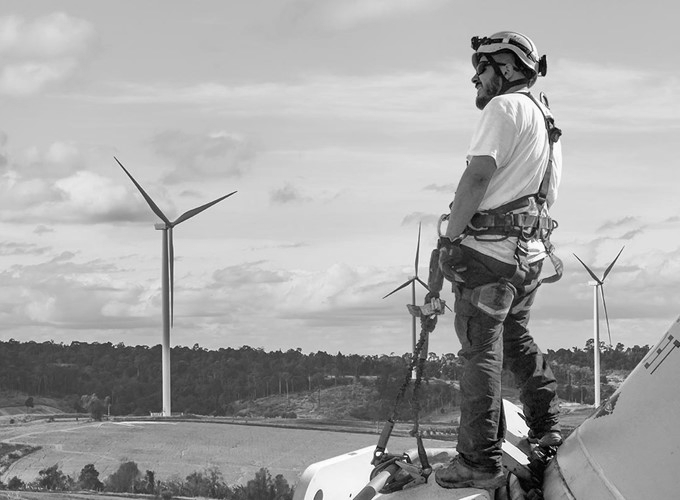
A rope access technician uses ropes, harnesses and specialist equipment to reach areas that are difficult to access safely by other means. Depending on the role, the work can include inspection, maintenance, repair, installation support, cleaning, coating, welding support and safety-critical access tasks.
Rope access is used across many sectors, including:
- offshore oil and gas
- wind and renewables
- construction
- civils and infrastructure
- industrial maintenance
- building inspection and repair
Because the work is often carried out at height or in exposed environments, employers look for technicians who are properly trained, safety aware and able to follow recognised systems of work.
What qualifications do you need to become a rope access technician?
For most people entering the industry, the recognised starting point is IRATA Level 1. IRATA’s Training, Assesment and Certification Scheme (TACS) groups technicians into three grades. A Level 1 technician carries out a defined range of rope access tasks under the supervision of a Level 3, while Level 2 adds more complex rigging, rescue and rope access skills, and Level 3 carries overall rope access safety responsibility on work projects.
To progress from Level 1 to Level 2, and from Level 2 to Level 3, technicians need at least 1,000 logged working hours and a minimum of 12 months’ experience at their current level before upgrade training and assessment. IRATA also states that technician certification is valid for three years.
What are the rope access levels?
IRATA Level 1
This is the entry-level qualification for people starting in rope access. At this stage, you learn the core practical techniques needed to work safely on ropes, use equipment correctly and perform basic rescues under supervision.
IRATA Level 2
IRATA Level 2 is for technicians who already hold Level 1 and have built the required logged experience. It develops your rigging, rescue and movement skills and gives you more responsibility on site.
IRATA Level 3
IRATA Level 3 is the supervisory grade. A Level 3 technician is responsible for rope access safety on site, advanced rigging and rescue systems, and the supervision of lower-level technicians. IRATA states that Level 3 technicians must also hold an appropriate current first aid certificate.
What does rope access training involve?
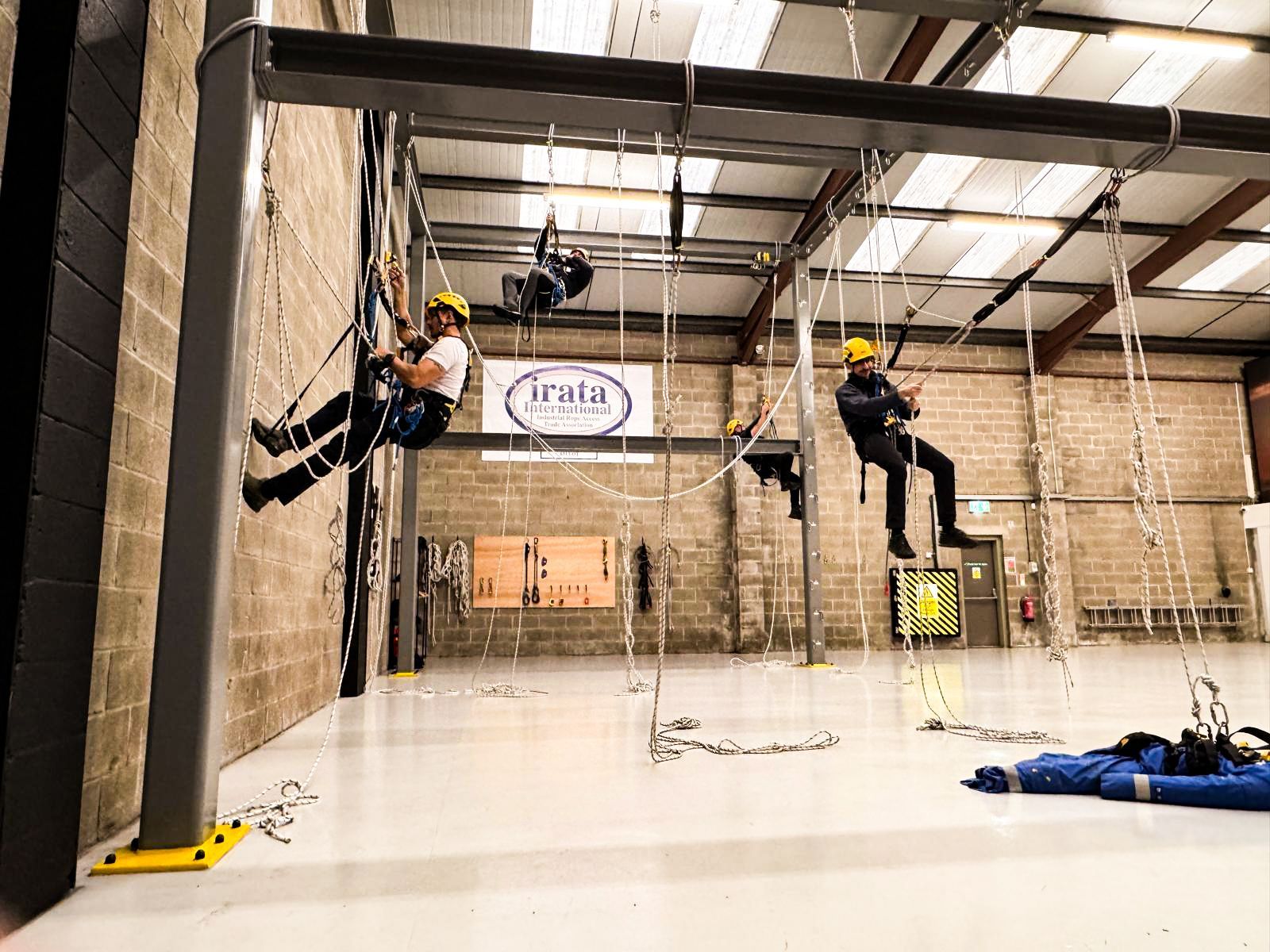
Rope access training is practical, physically active and focused on safe systems of work. You learn how to use equipment, move efficiently on ropes, carry out manoeuvres correctly and understand the procedures that support safe work at height.
IRATA training programmes must include at least 30 hours of training over a minimum of 4 days, with the assessment taking place on a separate calendar date from the training.
During training, candidates usually cover areas such as:
- equipment checks and fitting
- safe working systems
- risk awareness
- rope manoeuvres
- climbing and descending
- rope-to-rope transfers
- deviations and re-belays
- edge passing
- basic rescue techniques
- work positioning and fall arrest principles
The exact content depends on the level being taken, but the overall aim is always the same: to prepare you to work safely and correctly using rope access methods.
What will you be assessed on at IRATA Level 1?
If you are starting with IRATA Level 1, the assessment is designed to check that you can perform the required practical techniques safely and understand the basic theory behind them.
Your training provider will prepare you for the assessment, but in general you should expect to be assessed on:
- safe use of personal protective equipment
- basic rope access manoeuvres
- movement on ropes
- use of backup systems
- understanding of anchor and rigging principles
- safe working practices
- basic rescue awareness
- general rope access theory relevant to Level 1
A strong course is not just about getting through the syllabus. It should also build confidence, improve technique and prepare you for real work environments.
How long does it take to build a rope access career?
Becoming a rope access technician does not stop at passing Level 1. The long-term career path comes from building hours, gaining site experience and progressing through the levels over time.
Many technicians begin with entry-level rope access work and then move into more specialist roles depending on their background. That might include inspection, NDT support, painting, maintenance, blade repair support, offshore work, renewables, civils or supervisory roles later on.
For people with backgrounds in trades, engineering, construction, maintenance or work at height, rope access can become a valuable way to expand into new sectors.
Rope access training in Belfast
If you are based in Belfast or elsewhere in Northern Ireland, choosing a local training centre can make the first step much easier. It gives you access to professional instruction, local support and a clear route into the wider UK rope access industry.
At Dangle Academy, we provide rope access training in Belfast for candidates who want to enter the industry properly and build solid foundations from day one. Our training is designed to prepare you not only for assessment, but for the expectations of real working environments where safety, competence and professionalism matter.
Why train with Dangle Academy?
Dangle Academy is based in Belfast, Northern Ireland, and supports candidates looking to start or progress a career in rope access. Because Dangle also operates in industrial services and work at height environments, the training sits alongside real industry understanding rather than theory alone.
That matters when you are choosing where to train. A good rope access course should do more than help you pass an assessment. It should help you understand the standards of the industry, improve your technique and leave you better prepared for work.
If you are serious about becoming a rope access technician, choosing a provider with practical experience, strong instruction and a clear training structure can make a real difference.
Start your rope access career
If you want to become a rope access technician, the best place to start is with recognised training, a realistic understanding of the job, and a provider that can guide you through the first stage properly.
For candidates in Belfast, Northern Ireland and across the UK, Dangle Academy provides a clear route into rope access training and progression. Whether you are looking at IRATA Level 1 for the first time or planning your long-term path through the industry, we can help you take the next step.
Frequently Asked Questions
What qualifications do I need to become a rope access technician?
Most people start with IRATA Level 1, which is the recognised entry point into industrial rope access.
How long does it take to progress in rope access?
Progression depends on logged hours, experience and assessment readiness. IRATA requires at least 1,000 logged hours and 12 months at each level before upgrading
Can I do rope access training in Belfast?
Yes. Dangle Academy provides rope access training in Belfast for candidates in Northern Ireland and across the UK.
What does a rope access technician actually do?
Rope access technicians work at height using specialist rope systems to carry out tasks such as inspection, maintenance, repair and installation support.
We'd Love a Share...
Recent Blog Post's